Understanding the Vision of an Angel: A Guide to Heavenly Encounters
Understanding the Vision of an Angel: A Guide to Heavenly Encounters
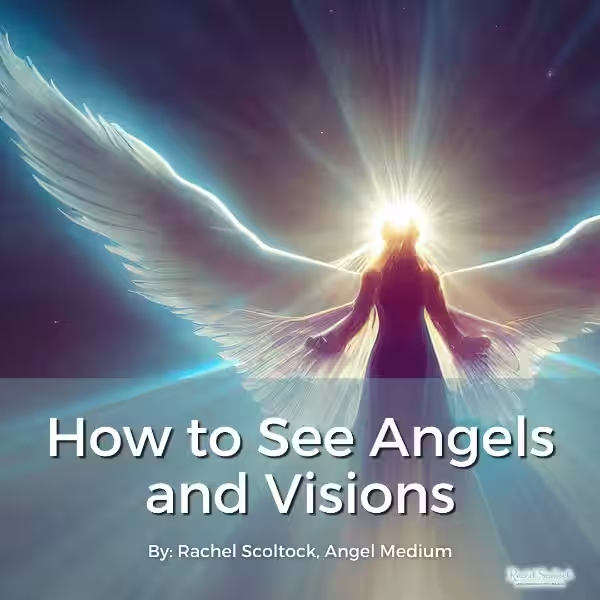
Many people throughout history have reported experiencing what they believe to be a vision of an angel. These experiences, often profound and life-changing, can leave individuals with a sense of awe, wonder, and a deeper connection to the spiritual realm. But what exactly constitutes an angelic vision? How can one interpret these encounters, and how can we differentiate genuine visions from other experiences? This article explores these questions and offers insight into understanding these often-elusive encounters.
Angelic visions are generally understood as encounters with angelic beings, perceived through the senses, usually sight, but sometimes also involving other senses like hearing or feeling. These visions can manifest in a variety of ways, ranging from fleeting glimpses of light or figures to detailed and immersive experiences. They are not typically limited to the confines of dreams; they can occur while awake, often during moments of quiet reflection, prayer, or meditation.
The clarity and detail of these visions can also vary greatly. Some individuals may experience a simple, symbolic image that carries a powerful message, while others may have vivid and complex encounters that feel intensely real. The key differentiator is that these visions are experienced as something beyond the ordinary, carrying a sense of divine presence and significance. Important to note, they are generally felt to be messages, guidance, or warnings from a spiritual source.
Interpreting the Message: Deciphering Angelic Symbols
Interpreting the meaning behind an angelic vision is a deeply personal process. There's no single "key" to unlocking the meaning of every vision. However, paying close attention to the details of the experience can provide valuable clues. Consider the following:
Symbols: What symbols or imagery appeared in the vision? Common symbols might include light, colors, animals, objects, or even people. Each symbol can hold personal significance, or relate to common archetypes in spiritual literature.
Emotions: What emotions did the vision evoke? Feelings of peace, joy, fear, or urgency can offer important insights into the message's nature.
Context: Consider the circumstances surrounding the vision. What were you thinking or feeling before, during, and after the experience? This context can help to better understand how the vision relates to your life.
Remember that the interpretation of an angelic vision is a subjective process. While there are common interpretations for certain symbols, the ultimate meaning will reside in your personal understanding of the experience. Trust your intuition and allow the message to resonate with your own life and spiritual journey.
Preparing for and Encouraging Angelic Visions
While we cannot force angelic visions, we can create a more conducive environment for them to occur. Many find that practices aimed at deepening their spiritual connection can increase their receptiveness to these types of experiences. These might include:
Meditation and Prayer: Regular meditation and prayer help to quiet the mind and open oneself to spiritual guidance.
Creating a Sacred Space: Designating a specific area in your home for prayer, meditation, and reflection can create a calm and peaceful environment conducive to spiritual experiences.
Affirmations: Repeating positive affirmations about receiving divine guidance can help to shift your mindset and open yourself to spiritual possibilities.
Journaling: Keeping a journal to record your thoughts, feelings, and any spiritual experiences can help you to reflect on your visions and understand their significance.
Distinguishing True Visions from Other Experiences
It's crucial to differentiate true angelic visions from other experiences that might be misinterpreted as such. It's vital to maintain a healthy dose of skepticism and self-awareness. This includes considering the following:
Mental Health: If you are struggling with mental health issues, it is important to seek professional help to ensure that your experiences are not related to underlying conditions.
Dreams: Although dreams can sometimes contain symbolic messages, true angelic visions are generally experienced while awake.
Hallucinations: Hallucinations are typically characterized by a lack of control and are often associated with altered states of consciousness or mental illness unlike guided angelic visions.
It's important to approach the interpretation of any spiritual experience with careful consideration. If you are unsure about the nature of your experience, it's always best to seek guidance from trusted spiritual advisors or mental health professionals.
The Vision of an Angel in Different Contexts
The concept of the vision of an angel has been explored across various cultures and throughout history. Religious texts often describe encounters with angels, providing diverse accounts of their appearances and messages. Artistic representations, from Renaissance paintings to modern sculptures, also depict angelic visions, showcasing the rich and varied interpretations of these heavenly encounters. Even in seemingly secular contexts, the idea of an angelic vision can represent a moment of profound intuition, inspiration, or clarity.
In conclusion, understanding the vision of an angel requires a balanced approach. While these experiences can be deeply meaningful and transformative, it's important to approach them with discernment, respect, and a willingness to explore the multifaceted nature of spiritual encounters. By cultivating a spiritual practice, paying attention to the details of our inner world, and seeking guidance when needed, we can better understand and appreciate these remarkable interactions with the divine.
Frequently Asked Questions about Angel Visions
What are angel visions?
Angel visions are experiences where individuals perceive angelic beings, often in a visual form, while awake or asleep. These visions can range from fleeting glimpses to detailed, vivid encounters. They are considered by many to be divine messages, guidance, or warnings from the angelic realm, rather than hallucinations or figments of the imagination. The clarity and detail of the vision can vary greatly from person to person and even from one vision to another.
How are angel visions interpreted?
Interpreting angel visions is a personal and subjective process. It's crucial to pay close attention to the symbols, colors, emotions, and overall feelings associated with the vision. Specific symbols (e.g., white light representing purity, animals representing specific traits) may carry particular meanings, but the interpretation should resonate with the individual's personal experiences and intuition. Journaling and reflection are helpful tools in understanding the message.
Creating a spiritually receptive environment through practices like meditation, prayer, and visualization exercises can increase your openness to receiving angelic messages. A calm and quiet space conducive to introspection can be beneficial. Affirmations focused on spiritual connection and openness can also be helpful. However, it's important to remember that these practices enhance receptivity; they don't guarantee visions.
Are angel visions always visual?
While often described as visual, angelic communication can take other forms. Spiritual impressions, feelings, or intuitive insights can also be considered forms of angelic communication, even without a visual component. These internal messages can be just as profound and significant as a visual vision.
How can I distinguish a true angel vision from other experiences?
Discerning true angel visions from other experiences requires careful reflection and intuition. Genuine angelic encounters often leave a sense of peace, love, and clarity. Unlike anxieties or nightmares, they typically instill a feeling of hope and guidance. If you're unsure, seeking guidance from a trusted spiritual advisor or therapist can be helpful in discerning the nature of your experience. It's important to approach such experiences with a balanced perspective, combining intuition with critical thinking.
Are there different types of angel appearances?
Yes, angels can appear in various ways. Beyond visions, they may manifest physically (appearing as ordinary humans), communicate through dreams, or inspire intuitive insights and feelings. The method of communication doesn't diminish the significance of the encounter; the divine message remains essential regardless of the form it takes.