Bible Verses for Tombstones: Finding the Perfect Epitaph
Bible Verses for Tombstones: Finding the Perfect Epitaph
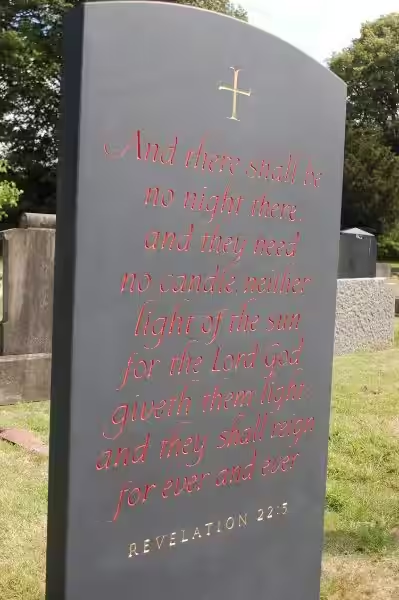
Choosing the right words to etch onto a loved one's tombstone is a deeply personal and often challenging task. It's about capturing a lifetime of memories, beliefs, and personality in a few concise words. For many families with strong religious faith, selecting Bible verses for tombstones feels like a natural and fitting way to honor their deceased. This article explores how to choose meaningful scripture for this purpose, offering guidance and categorized examples to help you in this significant undertaking.
When grief weighs heavily, finding comfort and peace is paramount. Scripture offers words of solace and reassurance that can provide a sense of calm during this difficult time. These verses emphasize God's presence, even in the face of death, offering hope and healing.
The beauty of these verses lies in their simplicity and power to soothe the heart. They remind us that even in the deepest sorrow, God's love and peace remain constant. The words offer a sense of hope and a promise of comfort that can be a source of strength during the grieving process.
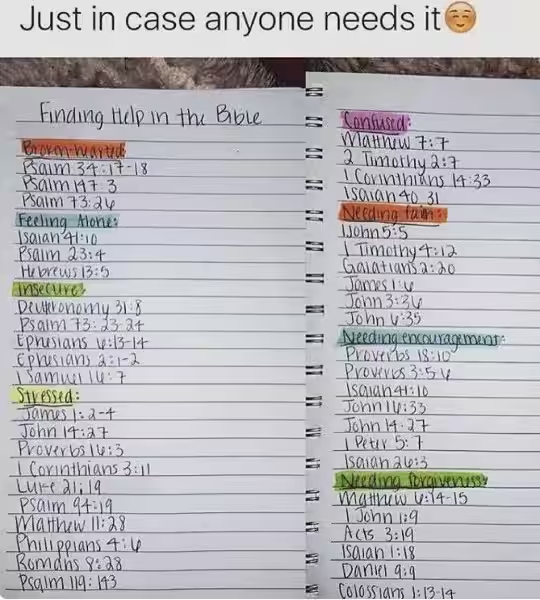
Here are a few examples of Bible verses that convey comfort and peace:
John 14:27: "Peace I leave with you, my peace I give unto you: not as the world giveth, give I unto you. Let not your heart be troubled, neither let it be afraid."
Psalm 23:4: "Yea, though I walk through the valley of the shadow of death, I will fear no evil: for thou art with me; thy rod and thy staff they comfort me."
Isaiah 41:10: "So do not fear, for I am with you; do not be dismayed, for I am your God. I will strengthen you and help you; I will uphold you with my righteous right hand."
Hope and Faith: Celebrating Eternal Life
Many find comfort in the belief of eternal life, and several Bible verses beautifully express this hope and faith in God's promises. These verses remind us that our loved ones' journey doesn't end with death, offering a perspective beyond earthly limitations.
These verses offer a powerful message of enduring faith and hope beyond the boundaries of life as we know it. They can bring a sense of peace and anticipation for a future reunion, mitigating the pain of loss with the promise of a greater, eternal life.
Consider these verses for their expression of hope and faith:
John 3:16: "For God so loved the world, that he gave his only begotten Son, that whosoever believeth in him should not perish, but have everlasting life."
1 Corinthians 2:9: "But as it is written, Eye hath not seen, nor ear heard, neither have entered into the heart of man, the things which God hath prepared for them that love him."
John 14:6: "Jesus saith unto him, I am the way, the truth, and the life: no man cometh unto the Father, but by me."
Strength and Courage: Honoring a Life Well-Lived
For those who lived lives marked by strength, courage, and unwavering faith, verses celebrating these qualities offer a fitting tribute. These verses acknowledge the challenges faced and the perseverance demonstrated, emphasizing the power of faith in overcoming life's difficulties.
The strength and courage found in these verses resonates with those who admired the deceased's resilience and steadfastness. They serve as a testament to a life well-lived, a life that faced adversity with faith and determination.
Here are examples that speak to strength and courage:
2 Timothy 4:7: "I have fought a good fight, I have finished my course, I have kept the faith:"
Joshua 1:9: "Have not I commanded thee? Be strong and of a good courage; be not afraid, neither be thou dismayed: for the Lord thy God is with thee whithersoever thou goest."
Philippians 4:13: "I can do all this through him who gives me strength."
Selecting Bible verses for tombstones is a deeply personal process. Consider these factors:
The deceased's personality and beliefs: Choose a verse that reflects their life and faith accurately.
Brevity and clarity: Tombstone inscriptions have space limitations. A short, easily understood verse is best.
Theological significance: The verse should align with your family's understanding of scripture.
Emotional impact: The inscription should offer comfort and solace to those grieving.
Remember, the inscription on a headstone is a lasting tribute. Choosing the right words takes time and reflection. We hope this guide provides a helpful starting point in your search for the perfect epitaph. For a more comprehensive collection of Bible verses and other meaningful quotes, download our free guide today!
Frequently Asked Questions: Bible Verses for Tombstones
What are some good Bible verses to use for a tombstone inscription?
Choosing a Bible verse for a tombstone is a deeply personal decision. The best verse will reflect the deceased's life, faith, and personality. Verses can be categorized by theme, such as Comfort and Peace (e.g., John 14:27, Psalm 23:4), Hope and Faith (e.g., John 3:15, 1 Corinthians 2:9), or Strength and Courage (e.g., 2 Timothy 4:7, Joshua 1:9). Consider what aspects of their life and faith you want to emphasize.
How do I choose the right verse for my loved one?
Consider these factors:
Personal Relevance: Select a verse that truly reflects their beliefs and life journey.
Brevity and Clarity: Tombstone space is limited; choose a short, easily understandable verse.
Theological Considerations: Ensure the verse aligns with your and your loved one's faith.
Emotional Impact: The verse should offer comfort and hope to those grieving.
Are there specific verses that focus on eternal life?
Yes, many verses speak to eternal life and salvation. Examples include John 3:15 ("Whosoever believeth in Him should not perish but have eternal life"), John 11:25 ("I am the resurrection and the life..."), and John 14:6 ("I am the way and the truth and the life"). These verses emphasize faith in Jesus Christ as the path to eternal life.
Take your time and prayerfully consider your options. Look through different thematic categories (comfort, hope, strength) to see which resonates most deeply with your memories of your loved one. You may find it helpful to consult with a religious leader or family members to discuss potential verses. Consider accessing resources that offer a wider selection of verses to aid in your decision.
Are there length restrictions for tombstone inscriptions?
Yes, there are usually space limitations on headstones. Shorter verses are generally preferred. Check with your chosen monument provider for specific character or line limits before making your final decision.
Where can I find more Bible verses suitable for tombstones?
While this FAQ provides a starting point, consider exploring various Bible translations and online resources dedicated to memorial inscriptions. Many resources offer curated collections of Bible verses and other meaningful quotes to aid in the selection process. A more comprehensive guide may provide you with a greater range of options.
Is it appropriate to use a verse that focuses on a specific denomination?
The appropriateness of using a denominationally specific verse depends on your family's beliefs and the overall tone you wish to convey. A verse that is universally understood and uplifting might be a safer choice, unless the deceased's faith was deeply tied to a specific denomination.
What if I want something other than a Bible verse?
While this FAQ focuses on Bible verses, you are certainly not limited to them. Other meaningful quotes, poems, or even a short personal message are all possible options for a headstone inscription. The most important thing is that the inscription reflects the life and personality of the deceased in a way that brings comfort to those left behind.