New Testament Readings for Funerals: Finding Comfort and Hope
New Testament Readings for Funerals: Finding Comfort and Hope
Choosing appropriate New Testament readings for funerals can feel overwhelming. This article aims to guide you through the process, offering insight into the key themes and passages that provide comfort and hope during this difficult time. These New Testament readings, intended for Masses for the Dead, focus on the Christian understanding of death, resurrection, and eternal life within the context of God's love and grace. The central theme revolves around the transformative power of Jesus Christ's death and resurrection, offering salvation and reconciliation to humanity.
Understanding the Core Themes in New Testament Funeral Readings
The selection of appropriate New Testament readings for funerals centers around several key themes that offer solace and a message of hope to mourners. These themes consistently provide comfort and spiritual strength during times of grief.
The most prominent theme is the victory over death achieved through Jesus Christ's resurrection. This is not simply a belief in an afterlife, but a triumph over the ultimate enemy, ensuring believers in Christ's ultimate victory over death and sin. Passages emphasizing this theme offer profound hope, transforming the understanding of death from an ending to a transition.
Another significant theme is the assurance of God's unwavering love. Many passages highlight God's boundless love and grace, offering comfort and reassurance to those grieving the loss of a loved one. This unwavering love transcends earthly limitations and remains steadfast even in the face of death. This message of enduring love is crucial in providing solace and strength to mourners.
Finally, the promise of eternal life and resurrection is a central theme in many New Testament funeral readings. These passages speak of a future reunion with loved ones in God's presence, a new life free from suffering and pain. This hope of eternal life provides a powerful source of comfort and peace amidst the sorrow of loss.
Key Passages from Paul's Letter to the Romans
The Book of Romans, written by the Apostle Paul, forms a cornerstone of many New Testament readings for funerals. Several passages within Romans powerfully articulate the Christian understanding of death and the hope of resurrection.
Romans 5:5-11, 5:17-21, 6:3-4, 6:8-9, 8:14-23, 8:31b-35, 37-39, 14:7-9, 10c-12: This collection of verses explores the central themes of justification through Christ's sacrifice, the reign of grace over sin, baptism and new life, adoption and heirship, the assurance of salvation, and life and death in Christ. They offer a holistic perspective on death and the Christian response to it.
These verses emphasize that faith in Christ's sacrifice provides justification, freeing believers from God's wrath and offering reconciliation. The concept of baptism as a symbolic death and resurrection signifies a transformation from an old life to a new creation in Christ. Furthermore, the passage highlights the believers' adoption as children of God, promising a future glory that surpasses present suffering. Finally, the assurance of God's unwavering love and protection, even in the face of death, provides immense comfort and hope.
Beyond Romans: Other Powerful New Testament Passages
While Romans provides many suitable readings, other New Testament books offer equally powerful messages of hope and comfort. The diverse perspectives within these passages allow for a nuanced selection tailored to the specific needs and preferences of the individuals involved in the funeral.
1 Corinthians and 2 Corinthians: Resurrection and Eternal Dwelling
1 Corinthians 15:20-23, 15:51-57: These verses powerfully speak of Christ's resurrection as the firstfruits of the resurrection of all believers, promising a future bodily resurrection and the ultimate defeat of death. The transformation from mortal to immortal is presented as a victory over death's sting.
2 Corinthians 4:14-5:1, 5:6-10: These passages emphasize the temporary nature of earthly existence, contrasting it with the eternal dwelling prepared in heaven. They encourage believers to focus on the unseen, eternal reality while acknowledging the reality of judgment. The passage offers solace by focusing on the hope of an eternal dwelling in heaven.
Other Relevant Passages: Hope and Transformation
Several other passages offer powerful messages of hope and comfort, emphasizing the enduring nature of faith and the promise of resurrection and eternal life.
Philippians 3:20-21: This passage reminds mourners that their ultimate citizenship is in heaven and that Christ will transform their bodies to conform to his glorified body.
1 Thessalonians 4:13-18: This addresses the grief of those who have lost loved ones, offering comfort in the promise of a resurrection and reunion with Christ at his return.
2 Timothy 2:8-13: This emphasizes perseverance in faith, presenting a powerful image of a believer completing their earthly journey and receiving a crown of glory.
1 John 3:1-2, 3:14-16: This underscores the love of the Father and the transformative power of brotherly love as evidence of having passed from death to life.
Selecting the Right New Testament Readings for Funerals
The choice of New Testament readings for a funeral is a deeply personal one, reflecting the faith and beliefs of the deceased and the mourners. Consider the following factors when making your selection:
The personality and faith of the deceased: Choose passages that resonate with their life and spiritual journey.
The tone of the service: Select readings that offer a balance of comfort, hope, and reflection.
The length of the readings: Keep in mind the overall length of the service and choose readings that fit within the timeframe.
The preferences of the family: Involve the family in the selection process to ensure that the readings are meaningful and appropriate for them.
By thoughtfully considering these factors and the rich selection of passages available, you can create a meaningful and comforting funeral service that celebrates the life of the deceased and offers hope to those who mourn. Remember, the goal is to offer solace, hope, and a testament to the enduring nature of faith and love, all while appropriately using New Testament readings for funerals.
Frequently Asked Questions: New Testament Readings for Funerals
What is the central theme of New Testament readings used at funerals?
New Testament readings for funerals center on the Christian understanding of death, resurrection, and eternal life within the context of God's unwavering love and grace. The core message revolves around the transformative power of Jesus Christ's death and resurrection, offering salvation and reconciliation to humanity. These readings offer comfort and hope, portraying death not as an end, but as a transition to eternal life.
Which books of the New Testament are commonly used for funeral readings?
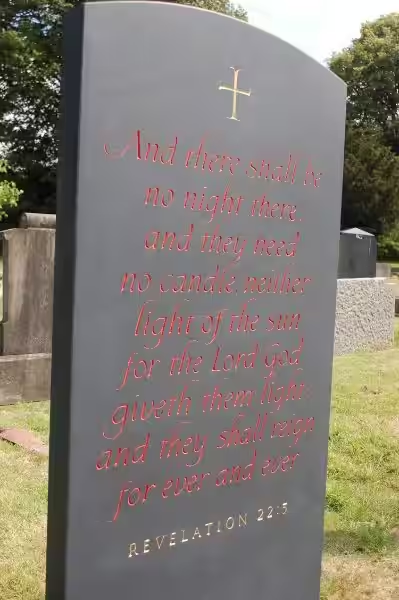
Readings frequently selected come from Romans, 1 Corinthians, 2 Corinthians, Philippians, 1 Thessalonians, 2 Timothy, and 1 John. These epistles emphasize key concepts such as justification through Christ's sacrifice, the reign of grace over sin, baptism and new life, adoption as children of God, assurance of salvation, and the ultimate victory over death. Passages from other books, such as Revelation, may also be included to offer a vision of hope and eternal life.
What are some of the key concepts explored in these readings?
Several key themes consistently appear:
Justification through Christ's sacrifice: These readings highlight that Christ's death atones for humanity's sins, offering justification and reconciliation with God. This is a gift received through faith, not earned through merit.
The reign of grace over sin: The overwhelming grace of God through Christ is contrasted with the power of sin and death. This grace offers acquittal and new life, transforming lives from sin to faith.
Baptism and new life: Baptism symbolizes a death to the old self and a resurrection to new life in Christ, a powerful metaphor for spiritual transformation.
Adoption and heirship: Believers are presented as adopted children of God, heirs of God and joint heirs with Christ, inheriting a future glory that surpasses present suffering.
Assurance of salvation: Despite trials and tribulations, believers are assured of God's unwavering love and protection, offering comfort in the face of death.
Life and death in Christ: Whether in life or death, believers belong to the Lord; Christ's Lordship extends over both the living and the dead, diminishing the fear of death.
Resurrection and eternal life: The resurrection of Christ is presented as the firstfruits of a future resurrection for all believers, promising the ultimate defeat of death and eternal life with God.
How do these readings offer comfort and hope to mourners?
The readings provide comfort by emphasizing:
God's unwavering love: Nothing, not even death, can separate believers from God's love in Christ.
The victory over death: Christ's resurrection signifies the ultimate triumph over death, offering hope of eternal life.
The promise of reunion: Passages speak of a future reunion with Christ and loved ones who have died in faith.
Transformation and new life: The readings emphasize the transformation from a life dominated by sin to one empowered by God's grace and the promise of a resurrected, glorified body.
Eternal life in God's presence: The readings offer a vision of an eternal dwelling place in heaven, free from suffering and pain.
Are there different lengths of readings available?
Yes, the selections range from shorter verses suitable for inclusion within a broader service to longer passages that can form a more substantial reading. The choice depends on the overall structure and length of the funeral service. A minister or officiant can help select appropriate passages based on the context and preferences of the family.