Holy Spirit: 7 Spirits of God Colors – Unveiling a Mystical Interpretation
Holy Spirit: 7 Spirits of God Colors – Unveiling a Mystical Interpretation
Understanding the concept of the seven spirits of God is a journey into the heart of divine revelation. Many interpretations exist, but one particularly compelling approach links these spirits to vibrant colors, offering a powerful visual aid for spiritual understanding. This article explores this mystical interpretation, connecting biblical imagery with personal experiences to illuminate the power and presence of the Holy Spirit.
The biblical foundation for the seven spirits of God is rich and multifaceted. Isaiah 11:2 lists them as: the Spirit of the Lord, wisdom, understanding, counsel, might, knowledge, and fear of the Lord. These are not merely abstract qualities but active, dynamic forces at work in the world and within believers.
Revelation further enhances this imagery, depicting seven lamps of fire burning before the throne of God (Revelation 4:5) and a lamb with seven horns and seven eyes (Revelation 5:6). These symbols point to the completeness and pervasive influence of the Holy Spirit, manifested through these seven distinct yet interconnected spirits. The image of "wheels within wheels" in Ezekiel 10:12 suggests their constant movement and action, fulfilling God's purposes across the earth. This dynamic interplay is central to understanding their power and influence.
The idea that these seven spirits can be visualized as colors of the rainbow isn’t explicitly stated in scripture. However, it beautifully encapsulates the multifaceted nature of God's glory. Think of the rainbow itself – a testament to God's covenant, a vibrant display of His creative power. Each color holds a unique energy, subtly influencing our emotions and perceptions.
Connecting the Seven Spirits to the Rainbow's Colors
While the specific color associations might vary depending on individual revelation, a possible interpretation aligns each spirit with a color of the rainbow:
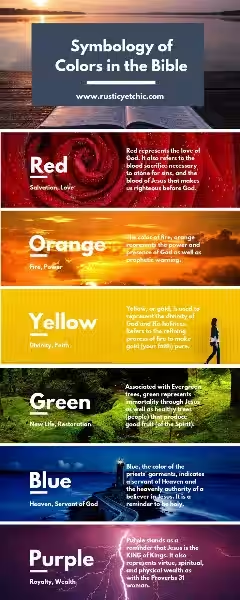
Red: The Spirit of the Lord - representing passion, love, and the powerful, life-giving nature of God's presence. The fiery nature of God's love is vividly represented in this rich hue.
Orange: Wisdom – signifying joy, creativity, and the wisdom to discern God’s will. This is the color of radiant illumination, representing the light of understanding.
Yellow: Understanding – representing the illuminating power of truth and revelation, a clear, bright light that penetrates darkness.
Green: Counsel – the color of growth and peace, reflecting the Spirit's guidance and comforting presence during times of uncertainty.
Blue: Might – signifying strength, steadfastness, and the unwavering power of God, the deep, calming blue of a vast ocean reflecting God's unyielding might.
Indigo: Knowledge – representing the deep mysteries of God, the profound insights and spiritual discernment that come from seeking him.
Violet: Fear of the Lord – the color of reverence and awe, representing the profound respect and humility that should permeate our relationship with the Almighty.
This color-coded system offers a powerful visual tool for meditation and contemplation. By focusing on each color, one can better connect with the specific qualities and power of each spirit.
The Holy Spirit’s Sevenfold Manifestation: Personal Experiences and Biblical Support
The belief that the seven spirits of God operate actively in the lives of believers is supported by personal testimonies and scriptural references. Many individuals report receiving divine revelations ("rhema") through visions and auditory messages ("heard"), confirming the presence and guidance of these spirits in their daily lives.
These experiences often detail how the seven spirits offer protection, guidance, and empowerment, particularly during challenging times. The notion of the seven spirits working together in a dynamic, interwoven way, as symbolized by the "wheels within wheels," is a recurring theme in these accounts. This powerful imagery speaks to their constant activity and intervention for those who invite their presence. It supports the belief that these spirits are not inactive concepts but active forces guiding and protecting God's chosen people.
Spiritual Growth and the Fullness of God
The seven spirits are intimately connected to spiritual growth and the fullness of God. Ephesians 3:19 speaks of comprehending "the love of Christ, which surpasses knowledge," suggesting a depth of spiritual understanding beyond human comprehension. Believers filled with these seven spirits are empowered to perform "greater works" (as referenced in various personal accounts), reflecting the overflow of God's power working through them.
This empowerment extends beyond individual acts; it's about actively participating in God's plan for the world. The seven spirits are described as being in close proximity to God's throne, acting as conduits of divine illumination and guidance. The transformative power of the Holy Spirit, manifested through these seven spirits, is transformative, preparing believers for their role in God's grand narrative. This dynamic, interconnected interplay of divine power leads to spiritual maturity, preparing believers for their role in furthering God's kingdom on earth.
A Practical Application: Integrating the Seven Spirits into Daily Life
The seven spirits of God are not just abstract theological concepts; they are active forces shaping our lives and empowering us to live a life pleasing to God. Their presence can be felt in the mundane aspects of our daily routines, from simple acts of kindness to significant life decisions. The rainbow, a symbol of God's covenant, serves as a constant reminder of their presence and active participation in our lives.
The interplay of colors in nature, art, and even in the clothes we wear can be a powerful reminder of the seven spirits' diverse manifestations. By consciously acknowledging their presence and seeking their guidance, we can experience a richer, more fulfilling relationship with God. This integration of spiritual understanding into daily life is crucial for living a life transformed by the Holy Spirit. The Holy Spirit, through these seven spirits, is the driving force for spiritual growth and maturity. Recognizing their presence and actively seeking their guidance is key to unlocking their transformative power.
Frequently Asked Questions: The Seven Spirits of God and Their Colors
This FAQ addresses common questions regarding the mystical interpretation of the seven spirits of God and their association with colors, drawing from various theological perspectives and acknowledging the subjective nature of color symbolism. It is important to note that this interpretation is not presented as established doctrine, but rather as a potential tool for spiritual reflection and understanding.
What are the Seven Spirits of God?
The phrase "Seven Spirits of God" appears in the Book of Revelation and has sparked diverse interpretations. One common understanding links them to the sevenfold ministry of the Holy Spirit described in Isaiah 11:2-3: the Spirit of the Lord, wisdom, understanding, counsel, might, knowledge, and the fear of the Lord. Other interpretations view them as seven distinct spiritual beings, or as a symbolic representation of the Holy Spirit's fullness and perfection. There is no single, universally accepted biblical definition.
What is the connection between the Seven Spirits of God and colors?
Some mystical interpretations associate the seven spirits with the seven colors of the rainbow, viewing this as a visual representation of their multifaceted nature. This association is often supported by personal revelations and experiences, drawing parallels to God's glory as light and the diverse aspects of His character revealed through creation. The specific color assigned to each spirit varies among different interpretations.
What colors are typically associated with which spirits?
There's no single, universally agreed-upon color scheme. However, some common associations, based on interpretations of divine revelation and symbolic meaning, link:
Red: Often associated with righteousness or justice.
Orange: Sometimes linked to praise, warfare, or fervent action.
Yellow: May represent God's presence, radiance, or illumination.
Green: Frequently associated with peace, healing, or restoration.
Blue: Often connected to healing, serenity, or spiritual depth.
Indigo: Can be linked to shepherding, guidance, or spiritual insight.
Violet: May symbolize provision, royalty, or divine favor.
It's crucial to understand that these are only potential associations; other interpretations exist.
Are these color associations doctrinally sound?
No, these color associations are not part of established Christian doctrine. They are based on personal interpretations and mystical experiences, not on universally accepted theological tenets. They are offered as a potential tool for personal reflection and spiritual growth, not as definitive theological statements.
How can I use this understanding of the Seven Spirits and their colors in my spiritual life?
This understanding can be used as a tool for meditation and contemplation, helping to visualize the multifaceted nature of God and the Holy Spirit. Observing the colors in nature might enhance awareness of God's presence and the diverse ways He works in the world. It's important to approach this with humility and discernment, remembering that it's a personal interpretation, not a prescribed doctrine.
Where can I find more information on this topic?
Further exploration might involve studying interpretations of Isaiah 11:2-3 and Revelation’s references to the seven spirits. Researching works by authors who explore mystical interpretations of scripture could provide additional perspectives. However, it's crucial to approach such material with discernment, comparing it to established biblical teachings. Remember that personal experiences are subjective and shouldn't replace careful study of Scripture and sound theological understanding.