I Stand by the Door: A Reflection on Spiritual Guidance and Outreach
I Stand by the Door: A Reflection on Spiritual Guidance and Outreach
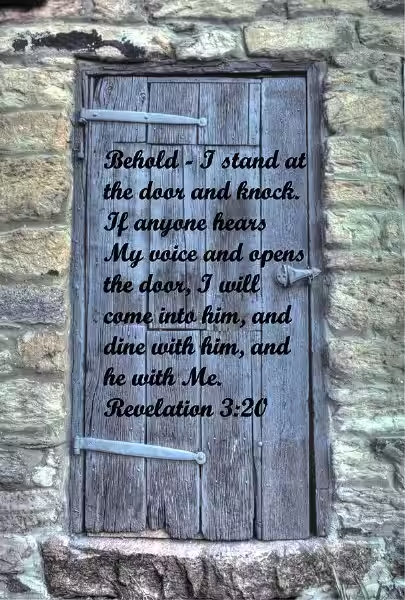
The poignant image of standing by the door, a seemingly simple act, holds profound meaning within the context of spiritual guidance. It's not about passive observation, but rather an active choice to be present, accessible, and supportive to those seeking a deeper connection with their faith or searching for a path forward. This article explores this powerful metaphor, drawing inspiration from Sam Shoemaker's influential poem, "I Stand at the Door," and examining its implications for our lives today.
Shoemaker's poem brilliantly illustrates the vital role of the "doorkeeper," someone who chooses to remain near the threshold of spiritual experience. This isn't a position of lesser importance; rather, it's a deliberate choice to prioritize the needs of others. The doorkeeper isn't focused on personal spiritual ascent alone; their primary concern is guiding others towards their own unique journey.
This involves more than simply pointing the way. It's about offering support, encouragement, and understanding during moments of doubt or fear. Imagine the metaphorical blind men groping in the dark, desperately seeking solace yet unable to find the entrance. The doorkeeper's presence offers a beacon of hope, a reassuring touch on the latch, guiding without forcing, empowering individuals to open the door themselves.
Two Sides of the Door: Reaching In and Reaching Out
The doorkeeper's role is multifaceted. They serve as a guide for those outside, lost and searching, but also for those already within who might be tempted to retreat. Some individuals, after experiencing the awe-inspiring depths of faith, might find themselves overwhelmed by the intensity, experiencing a sort of "cosmic claustrophobia." They might want to abandon their journey.
In such cases, the doorkeeper's gentle presence is critical. They act as a reassuring voice, reminding them of the beauty they've discovered while acknowledging the validity of their fears. This support prevents potential retreat and helps individuals to continue their spiritual growth. I stand by the door, ready to offer this comfort.
Beyond the Door: The Importance of Personal Spiritual Growth
It's crucial to note that Shoemaker's poem doesn't negate the importance of deep personal spiritual experience. He acknowledges and admires those who dwell in the "cavernous cellars" and "spacious attics" of God's house, representing profound levels of faith and devotion. Even the doorkeeper themselves occasionally ventures into these realms.
The key difference lies in the prioritization. The doorkeeper consciously chooses to balance personal spiritual growth with the crucial act of guiding others. This balance isn't a compromise; rather, it is a testament to a profound understanding of service and the interconnectedness of spiritual journeys. It's about recognizing that our own growth can be enriched by the act of helping others.
The Humble Service of the Doorkeeper
The final line of Shoemaker's poem, "I had rather be a door-keeper," encapsulates the essence of this selfless service. The doorkeeper chooses humility over personal glory. They understand the profound impact of guiding even a few lost souls, recognizing the transformative power of helping others find their own path.
This isn't about numbers or grand gestures; it's about the personal, intimate act of connecting with individuals who are in need of guidance. The doorkeeper's service is a powerful reminder that even small acts of kindness and support can make a vast difference in someone's life.
Finding Your Place by the Door: A Call to Action
Shoemaker's poem and the concept of "standing by the door" aren't merely abstract metaphors. They're a compelling call to action, urging us to reflect on our own roles in guiding and supporting others on their spiritual journeys. We all have unique gifts and experiences to share.
We might not all be "doorkeepers" in the traditional sense, but we can all find ways to offer guidance, support, and encouragement to those around us. This could mean offering a listening ear, sharing words of encouragement, or simply being present for someone in need.
Practical Applications: How to Be a Doorkeeper in Your Own Life
Consider these practical ways to embody the spirit of the doorkeeper:
Active Listening: Truly listen to those around you, offering empathy and understanding without judgment.
Mentorship: Offer guidance and support to others struggling with challenges, whether spiritual or otherwise.
Community Involvement: Participate in activities that help those in need within your community.
Compassionate Presence: Simply being present for someone who is struggling can make a significant difference.
By embracing the spirit of the doorkeeper, we can contribute to a world where everyone feels supported, guided, and empowered on their own unique path. I stand by the door, ready to assist anyone who needs it, extending the same hand of compassion and guidance that has been extended to me.
Frequently Asked Questions: “I Stand by the Door”
Here are some frequently asked questions about the meaning and significance of Sam Shoemaker's poem, "I Stand by the Door," and its relevance to spiritual guidance:
What is the central metaphor in Shoemaker's "I Stand by the Door"?
The central metaphor is the door, representing the entrance to a deeper spiritual life or connection with God. The speaker chooses to remain near this door, not dwelling fully within the spiritual realm, but rather acting as a guide and support for others.
Why does the speaker choose to stand by the door instead of entering fully into spiritual contemplation?
The speaker recognizes the crucial need to assist those who are struggling to find, or are afraid to fully embrace, their faith. Some are lost and searching, while others, after experiencing a spiritual awakening, are overwhelmed and retreat. The speaker's presence offers guidance and support to both groups.
Who are the individuals depicted outside the door in the poem?
The poem portrays those outside the door as lost and searching, likened to blind men groping in darkness or starving beggars in the cold. They are close to finding God yet unaware of how to access their faith.
The speaker acts as a doorkeeper, a guide, and a source of support. They assist those seeking spiritual connection by helping them find and open the door themselves. This isn't about forcing faith, but empowering individuals to discover their own path. The speaker also provides encouragement and reassurance to those who have experienced a spiritual awakening but are tempted to retreat.
What is the significance of the speaker's touch on the latch?
The touch on the latch symbolizes the personal and individualized nature of spiritual discovery. Each individual's journey is unique, and the speaker’s role is to facilitate this personal encounter, not dictate it.
Does the poem suggest that deep spiritual experience is unimportant?
No. The poem acknowledges and even admires those who have fully embraced their faith and dwell deeply within the spiritual realm. However, it emphasizes the vital role of someone who remains accessible to those seeking a connection, bridging the gap between the fully devoted and those still searching.
How does the poem address the issue of those who retreat from their faith?
The poem recognizes the possibility of "cosmic claustrophobia"—a fear and overwhelm that can accompany a deep spiritual experience, leading people to retreat. The speaker's presence offers reassurance and encouragement, helping them to overcome their fear and continue their spiritual journey.
What is the overall message or call to action of the poem?
The poem is a compelling call to consider our roles in guiding and supporting others on their spiritual journeys. It emphasizes the importance of balancing personal spiritual growth with the act of helping others find their own connection to faith. The speaker's choice to remain a "doorkeeper" highlights the value of humble service in facilitating spiritual transformation.