They Who Wait Upon the Lord Lyrics: Finding Strength in Perseverance
They Who Wait Upon the Lord Lyrics: Finding Strength in Perseverance
Many Christian hymns and songs draw inspiration from scripture, offering comfort and guidance to believers. One such source is Isaiah 40, a chapter brimming with hope and promises of restoration. This powerful passage is often referenced in songs, particularly those focusing on the theme of waiting upon the Lord. But what exactly does it mean to "wait upon the Lord," and how does this concept translate into the lyrics of songs inspired by this powerful biblical passage? This article will delve into the meaning of "they who wait upon the Lord" lyrics, exploring their biblical roots and practical applications in our lives.
Isaiah 40, a chapter brimming with comfort and hope, provides the foundational text for many songs that incorporate the phrase "they who wait upon the Lord." The prophet Isaiah speaks directly to a people likely experiencing exile and despair, offering solace and a promise of God's imminent intervention.
The chapter begins with a powerful declaration: "Comfort, comfort my people, says your God" (Isaiah 40:1). This repetition emphasizes the urgency and importance of this message of consolation. The promise of comfort isn't merely emotional; it's grounded in God's active intervention, preparing a path for His people's return from exile (Isaiah 40:3-4). This imagery of path-preparation foreshadows the ministry of John the Baptist (Matthew 3:3) and underscores God's proactive role in removing obstacles.
Beyond comfort, Isaiah 40 emphasizes the immensity of God's power and sovereignty. He is depicted as the Creator, holding the universe in His hand, illustrating the vastness of His power in contrast to human suffering. This isn't meant to intimidate, but rather to remind us of His limitless capacity to act on our behalf.
The Power of Waiting: More Than Passive Expectation
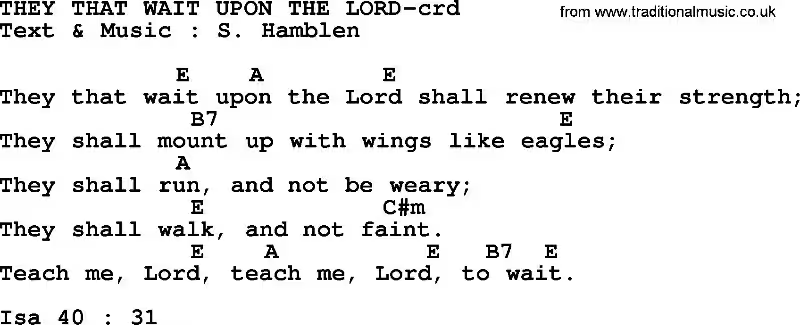
A critical element of Isaiah 40 is the theme of waiting. The chapter doesn't promise immediate relief but rather emphasizes the importance of patience and trust in God's timing. The iconic verse, Isaiah 40:31, states: "But they that wait upon the Lord shall renew their strength; they shall mount up with wings as eagles; they shall run, and not be weary; and they shall walk, and not faint." This verse is often the cornerstone of songs using the phrase "they who wait upon the Lord lyrics."
This "waiting" isn't passive resignation. It's an active process of trusting in God's power despite circumstances. It's a conscious choice to rely on God's plan and timing, even when things seem bleak. The imagery of soaring eagles beautifully conveys the empowerment and freedom that comes from this trust. This renewed strength is not merely physical; it's a spiritual resilience born from faith in God's unwavering faithfulness.
Practical Applications of Waiting Upon the Lord
How can we practically apply the principle of "waiting upon the Lord" in our daily lives?
Prayer and seeking God's guidance: Waiting involves consistent communication with God through prayer, seeking His wisdom and direction in our decisions.
Trusting in His timing: Accepting that God's timing is perfect, even if it differs from our own expectations.
Maintaining faith in the face of adversity: Holding on to our beliefs and trusting in God's promises amidst challenges.
Practicing patience and perseverance: Persisting in prayer and action, even when results are not immediately apparent.
“They Who Wait Upon the Lord” Lyrics: Expressions of Faith and Perseverance
Numerous hymns and contemporary Christian songs echo the message of Isaiah 40, often incorporating the phrase "they who wait upon the Lord lyrics" directly or indirectly. These songs offer a powerful expression of faith and draw on the same themes of hope, perseverance, and trust in God's timing.
The lyrics often focus on the promise of renewed strength, vividly depicted through the imagery of eagles soaring. They emphasize that this strength is not merely physical but spiritual – a resilience born from unwavering trust in God. The songs highlight the endurance granted to those who patiently wait, showcasing their ability to persevere without growing weary or faint.
Moreover, many songs emphasize the active nature of waiting upon the Lord. It's not a passive act, but a conscious choice to rely on God's will through prayer and a humble posture. Many lyrics implore God to "teach me to wait," indicating a desire for guidance and patience in the process. The songs frequently stress reliance on God over human actions, urging believers to seek answers directly from God rather than relying solely on others.
Examples of "They Who Wait Upon the Lord Lyrics" in Songs
While specific lyrics vary across different songs, the core message remains consistent. Many songs include refrains or verses that directly quote or paraphrase Isaiah 40:31, emphasizing the renewal of strength, the ability to soar like eagles, and the perseverance to run and walk without weariness or fainting. This emphasis on the imagery of soaring eagles is a powerful symbol of the freedom and empowerment that comes from trusting in God. Search for songs that include "they who wait upon the Lord" in their title or lyrics to experience this message for yourself. The consistent theme across these songs is the power of faith and the transformative impact of patiently waiting upon the Lord.
Conclusion: Embracing the Promise of Renewal
The phrase "they who wait upon the Lord lyrics" encapsulates a powerful message of hope and perseverance found in Isaiah 40 and echoed in countless Christian songs. It's a call to trust in God's timing, to find strength in His promises, and to persevere in faith, even in the face of adversity. By understanding the biblical context and the practical applications of waiting upon the Lord, we can embrace the promise of renewal and experience the transformative power of faith. The journey of waiting may not always be easy, but the reward – the renewal of strength and the ability to soar – is worth the effort.
Frequently Asked Questions: “They Who Wait Upon the Lord”
What is the main theme of "They Who Wait Upon the Lord" lyrics?
The main theme centers on the biblical concept of patiently waiting upon the Lord, drawing heavily from Isaiah 40:31. The lyrics emphasize finding strength and renewal not in one's own abilities but through unwavering faith and trust in God's timing and plan. This waiting is not passive but an active process of prayer and reliance on God's will. The song promises spiritual resilience and perseverance to overcome challenges.
What biblical passage is the song based on?
The song's core message is directly inspired by Isaiah 40:31: "They that wait upon the Lord shall renew their strength; they shall mount up with wings as eagles; they shall run and not be weary; they shall walk and not faint." This verse speaks to the promise of renewed strength and endurance for those who trust in God's timing and power.
The "waiting" depicted in the song isn't passive resignation. It's an active, prayerful posture of reliance on God. The lyrics encourage a direct relationship with God through prayer, rather than relying solely on others' actions. This active waiting involves seeking God's guidance and trusting in His plan, even when facing difficult circumstances. The image of "waiting down on my knees" symbolizes humility and sincere reliance on God's power.
What kind of strength does the song promise?
The strength promised is not merely physical but primarily spiritual. It's the inner resilience and perseverance needed to endure challenges and continue serving God. This spiritual strength comes from trusting in God's unwavering faithfulness and power, enabling believers to overcome obstacles and continue their spiritual journey without growing weary or faint.
What is the significance of the imagery used in the lyrics (e.g., eagles)?
The imagery of eagles soaring ("They will mount up with wings like eagles") symbolizes the empowerment and freedom that comes from trusting in God. It represents the ability to rise above difficulties and experience spiritual liberation. The eagles' ability to soar effortlessly contrasts with the weariness and captivity often felt when facing adversity, highlighting the transformative power of faith and reliance on God. Similarly, "running and not growing weary" and "walking and not fainting" represent steadfast endurance in the face of challenges.
How does the song relate to the broader message of Isaiah 40?
Isaiah 40 offers a message of comfort and hope during times of suffering, emphasizing God's sovereignty and the importance of trusting His timing. The song directly echoes this message by focusing on the promise of renewed strength for those who wait upon the Lord. Both Isaiah 40 and the song highlight the futility of relying on human strength alone and the transformative power of faith in God's ability to restore and empower His people. The imagery of soaring eagles in the song reflects the themes of freedom and renewal present in Isaiah 40.