50 Weapons of Spiritual Warfare with Biblical Reference
50 Weapons of Spiritual Warfare with Biblical Reference
Are you feeling overwhelmed by the challenges of life, sensing a spiritual battle raging unseen? Understanding spiritual warfare and equipping yourself with the right tools is crucial for every Christian. This article explores over 50 weapons of spiritual warfare, drawing from scripture and practical application, empowering you to stand firm in your faith.
The Foundation: The Armor of God (Ephesians 6:10-18)
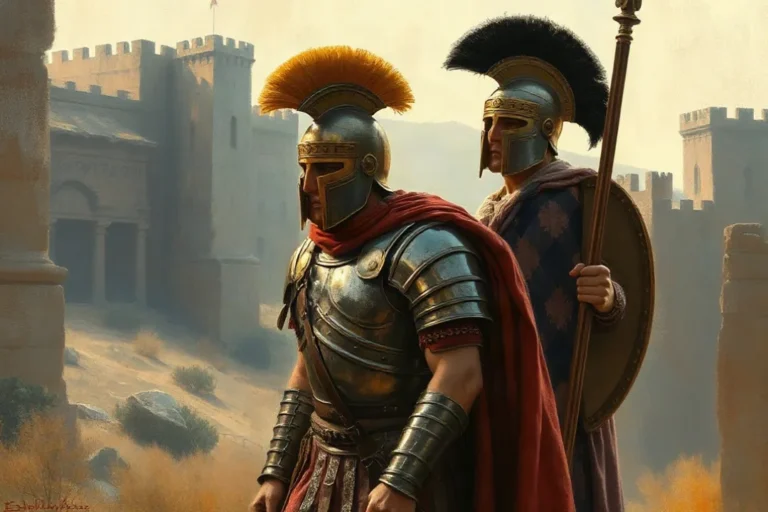
Paul's letter to the Ephesians provides a foundational blueprint for spiritual warfare. He describes the "armor of God," a comprehensive defensive strategy against the enemy's attacks. This isn't a metaphorical garment; it's a lifestyle of spiritual discipline.
This armor isn't donned once and forgotten; it’s a daily commitment. Each piece requires conscious effort and consistent application. Neglecting one part weakens the whole defense. Regular self-assessment and prayer are essential to ensure the armor remains effective.
The six key elements are:
Belt of Truth: Grounded in the unwavering truth of God's Word. This means actively studying Scripture and living in accordance with its teachings, rejecting lies and deception.
Breastplate of Righteousness: Living a life pleasing to God, reflecting His character and justice. This requires ongoing repentance and seeking His righteousness.
Shoes of the Gospel of Peace: Walking in peace, spreading the good news of Jesus Christ, and extending grace to others. This promotes unity and counters discord.
Shield of Faith: Using faith to deflect fiery darts of the enemy. This involves believing God's promises and trusting in His protection, even amidst adversity.
Helmet of Salvation: The assurance of salvation through Christ, protecting your mind from doubt and despair. This anchors you in hope and peace.
Sword of the Spirit (which is the word of God): The offensive weapon, using God's Word to overcome spiritual attacks and advance His kingdom. This includes memorizing and meditating on scripture.
Beyond the Armor: 50+ Additional Weapons
While the armor of God provides a solid defense, we also have numerous offensive and supplementary weapons at our disposal:
Prayer: The Lifeline of Spiritual Warfare
Prayer is not just one weapon; it's the primary communication channel with God during spiritual warfare. Different types of prayer provide diverse strengths:
Persistent Prayer: Consistent, unwavering prayer, even when you don't see immediate results (Luke 18:1-8).
Strategic Prayer: Targeted, focused prayer, aligned with God's will and informed by biblical principles (James 4:7-8).
Corporate Prayer: Praying with others, amplifying the power and impact of prayer (Matthew 18:19-20).
A framework for effective warfare prayer includes:
Preparation: Praise, thanksgiving, and humble submission to God's will.
Protection: Pleading the blood of Jesus, establishing spiritual boundaries, and renouncing ungodly influences.
Proclamation: Declaring God's Word, breaking ungodly agreements, and commanding evil forces to retreat.
Fasting: A Spiritual Discipline
Fasting, abstaining from food for spiritual purposes, amplifies prayer and strengthens spiritual focus. Different types of fasts exist:
Partial Fast: Abstaining from certain foods or meals.
Complete Fast: Abstaining from all food and drink.
Daniel Fast: Abstaining from all meats, sweets, and leavened bread.
Always seek guidance from the Holy Spirit when considering fasting.
Worship: A Weapon of Praise and Power
Worship, expressing adoration and reverence for God, is a powerful weapon. It disarms the enemy and strengthens our spirits:
Personal Worship: Private time of praise and adoration.
Corporate Worship: Joining with others in communal worship.
Lifestyle Worship: Living a life that glorifies God in all aspects.
The Power of the Holy Spirit and His Gifts
The Holy Spirit empowers us for spiritual warfare. His gifts, such as prophecy, healing, and discernment, are valuable tools. Actively seeking and utilizing these gifts strengthens our spiritual arsenal.
Identifying Spiritual Attacks
Recognizing spiritual attacks is essential. Common signs include:
Sudden doubts and fears
Persistent negative thoughts and anxieties
Relational disruptions and conflict
Physical ailments and weariness
Addiction and unhealthy habits
Responding involves seeking God's guidance, praying for discernment, and using the armor of God and other spiritual weapons.
Effective Spiritual Warfare Strategies
Spiritual warfare is a proactive battle, not a passive defense. This requires:
Submission to God: Yielding to His will and guidance.
Resisting the enemy: Standing firm against his attacks.
Drawing near to God: Cultivating a deep relationship with Him.
A strategic plan comprises:
Defensive Tactics: Spiritual inventory, setting boundaries, and consistent spiritual disciplines.
Offensive Tactics: Intercession, declaring God's word, and engaging in spiritual warfare prayer.
Maintaining Victory
Victory in spiritual warfare requires:
Consistent spiritual disciplines: Regular prayer, Bible study, and worship.
Church fellowship: Supporting and being supported by fellow believers.
Reliance on God's strength and promises: Trusting in His power and faithfulness.
By embracing these 50+ weapons, consistently wearing the armor of God, and maintaining a close relationship with Him, you can effectively engage in spiritual warfare and experience victory in Christ. Remember the battle is the Lord's, but He equips us to fight.
Frequently Asked Questions about Spiritual Warfare
Here are some frequently asked questions about spiritual warfare, drawing from biblical principles found in Ephesians 6:10-18, 2 Thessalonians 3:1-5, James 4:7-8, and other relevant scriptures.
What are the 50+ Weapons of Spiritual Warfare?
The Bible doesn't explicitly list 50 weapons, but it provides principles and examples that equip us for spiritual battle. The "armor of God" in Ephesians 6:10-18 forms the foundation: the belt of truth, breastplate of righteousness, shoes of the gospel of peace, shield of faith, helmet of salvation, and the sword of the Spirit (God's Word). Beyond this, we find numerous offensive and defensive weapons, including:
Sudden doubts and persistent negative thoughts: These can erode your faith and peace (2 Corinthians 10:3-5).
Relational disruptions and conflicts: The enemy seeks to divide and conquer (Proverbs 6:16-19).
Physical or emotional exhaustion: Spiritual warfare can be draining (Matthew 11:28-30).
Increased temptation and sinful desires: The enemy seeks to ensnare us (1 Peter 5:8).
Modern manifestations: Social media addiction, cultural pressures, and anxieties can be spiritual battlegrounds.
Discernment comes through prayer, seeking wise counsel, and studying God's Word.
How do I effectively engage in spiritual warfare?
Spiritual warfare is a continuous process, not a one-time event. It involves:
Submission to God: Yielding to His will and guidance (James 4:7).
Resisting the enemy: Standing firm in faith (James 4:7, Ephesians 6:13-17).
Drawing near to God: Building a strong relationship through prayer, worship, and obedience (James 4:8).
A strategic approach involves both defensive (spiritual inventory, setting boundaries, consistent spiritual disciplines) and offensive (intercession, declaring God's Word) tactics.
Is it possible for believers to be influenced by demonic forces?
Yes, while believers cannot be possessed in the same way as non-believers, they are still susceptible to demonic influence and attacks. We are protected by the blood of Jesus and the armor of God, but remaining vigilant and actively resisting the enemy is crucial (1 Peter 5:8-9).
What is the role of prayer in spiritual warfare?
Prayer is not just one weapon but the primary means of communication with God in spiritual warfare. A framework might include: praise, thanksgiving, submission; pleading the blood of Jesus, establishing boundaries; and declaring Scripture and breaking ungodly agreements. (See Psalm 100, Matthew 6:9-13, Revelation 12:11)
This FAQ provides a starting point. Continued study of Scripture and prayerful application are essential for understanding and engaging in spiritual warfare effectively.