Biblical Roman Soldier Armor: Understanding the Metaphor of Ephesians 6
Biblical Roman Soldier Armor: Understanding the Metaphor of Ephesians 6
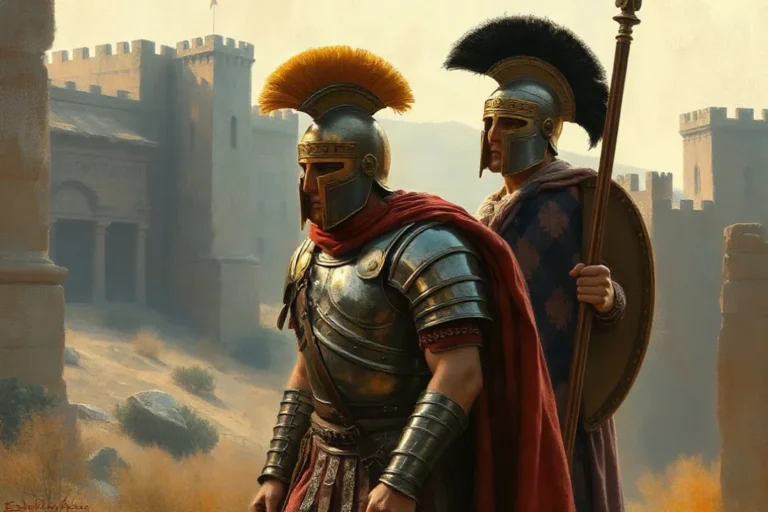
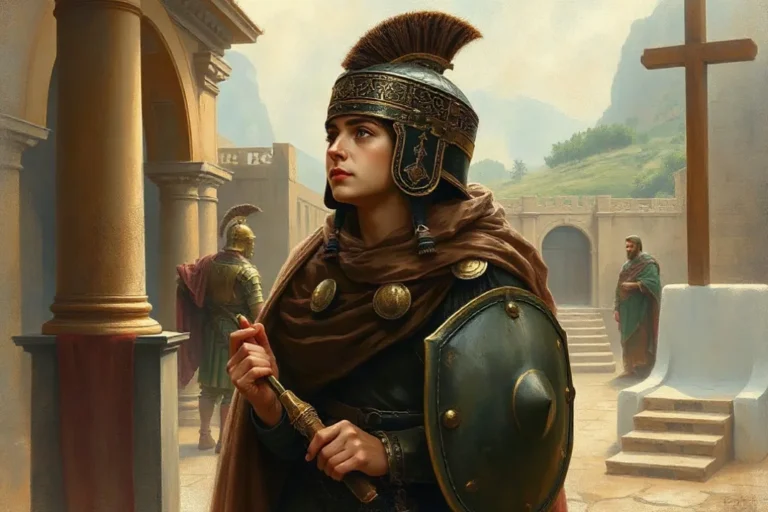
The image of a Roman soldier, fully equipped in his armor, resonates powerfully throughout history. But did you know this same powerful image also appears in the Bible to describe spiritual protection? Ephesians 6:10-18 draws on the familiar image of the Roman soldier's armor to illustrate how Christians can protect themselves spiritually. This article explores the powerful metaphor of the Bible's Roman soldier armor, examining both the historical context of Roman military equipment and its spiritual meaning as described by Paul.
The passage in Ephesians 6, a letter written by the Apostle Paul, is essential to understanding the metaphor of the Bible's Roman soldier armor. Paul wasn't simply offering a random analogy — he was speaking directly to the challenges faced by early Christians in Ephesus, a city steeped in Roman culture. The Ephesians were surrounded by pagan beliefs and practices, and Paul urged them to stand firm in their faith against spiritual attack.
The immediate context of the passage emphasizes the importance of spiritual warfare. Paul isn't suggesting a physical battle, but rather a conflict against spiritual forces of evil. This spiritual struggle requires preparation and the right tools, and that's where the Roman soldier's armor comes in — a symbol of strength and protection that was instantly recognizable in the first-century world.
The Components of Roman Armor and Their Spiritual Counterparts
Paul meticulously details six pieces of Roman soldier's armor and their spiritual counterparts.
1. The Belt of Truth
The belt was essential for a Roman soldier, holding his sword and other equipment in place. Spiritually, the "belt of truth" represents our commitment to God's Word and our personal honesty. It's the foundation on which our spiritual life is built. Without truth guiding our actions and thoughts, our spiritual footing weakens.
The belt provided a secure foundation; likewise, a truthful life ensures a stable spiritual life, giving us the strength to withstand adversity and reject temptation. Think of the belt as what holds your whole spiritual life together — without it, everything falls apart.
The breastplate protected a Roman soldier's vital organs. Similarly, the "breastplate of righteousness" guards our hearts and minds, protecting them from spiritual attacks aimed at our moral character. This righteousness doesn't come from our own efforts — it's a gift from God through faith in Jesus Christ.
The breastplate wasn't merely decorative — it was a vital piece of defensive equipment. In the same way, our righteousness isn't merely an abstract concept, but a shield that protects our hearts from the moral compromises that could lead us astray. It represents a life aligned with God's values, constantly renewed by His grace.
3. The Sandals of the Gospel of Peace
A Roman soldier's sandals, or caligae, were designed for comfort and durability, allowing quick movement and stability. The "sandals of the gospel of peace" represent our readiness to share the good news of Jesus Christ. We're called to be ambassadors of peace, spreading God's message to the world around us.
These "sandals" aren't metaphorical slippers — they represent the active pursuit of spreading the gospel, a commitment that demands strength and resilience. This requires that we be prepared to face challenges and move forward with confidence in the face of opposition. It's a constant readiness to serve spiritually, with our feet firmly planted in the truth of the gospel.
4. The Shield of Faith
The scutum, the Roman legionary's large shield, provided extensive protection against projectiles. The "shield of faith" protects us from the enemy's "flaming darts" — temptations, doubts, and accusations — meant to undermine our faith. This shield isn't just an individual defense — it also represents the collective faith of the Christian community, supporting one another in times of spiritual conflict.
The shield's strength lay not only in its construction, but also in its communal use within the Roman legion. In the same way, our faith is strengthened through fellowship with other believers. When we face doubt or temptation, we can lean on the faith of those around us, just as Roman soldiers protected one another with their shields in tight formation.
5. The Helmet of Salvation
The galea, or helmet, protected a soldier's head. The "helmet of salvation" protects our minds from deceptive thoughts and doubt. It represents the complete, unshakable assurance of salvation found in Jesus Christ. This protection guards against the insidious erosion of faith caused by doubt and despair.
A soldier without a helmet is extremely vulnerable; likewise, a Christian without the helmet of salvation is susceptible to attacks of doubt and despair that can weaken their spiritual resolve. This helmet represents confidence that our salvation is secure in God's hands, protecting us from the negativity and pessimism that can creep into our thoughts.
6. The Sword of the Spirit (Which Is the Word of God)
The gladius, the short Roman sword, was the soldier's primary weapon. The "sword of the Spirit, which is the word of God," is our primary weapon in spiritual warfare. It's through studying, meditating on, and applying God's Word that we can discern truth from falsehood, resist temptation, and overcome spiritual attacks.
The gladius wasn't merely a tool — it was an extension of the soldier's will. Similarly, God's Word isn't merely information, but a living, active force that empowers and equips us for spiritual combat. Through it, we can identify the enemy's lies and respond with divine truth.
The Bible’s Roman Soldier Armor: Practical Application
The metaphor of the Bible's Roman soldier armor isn't merely a historical curiosity — it's a practical guide for navigating life's challenges. By consistently putting on this spiritual armor — through prayer, Bible study, fellowship with other believers, and obedience to God's Word — we can strengthen our spiritual defenses and stand firm against the forces of evil.
Just as a Roman soldier relied on his equipment to survive, a Christian must rely on their spiritual armor to thrive in the spiritual battles we all face. The image of the well-equipped Roman soldier serves as a powerful reminder that we're not alone in our struggle, and that the tools needed for victory are readily available to everyone who believes. Practicing these spiritual virtues isn't a one-time effort, but an ongoing commitment to growth and spiritual strengthening.
Frequently Asked Questions: The Armor of God and Roman Soldiers
What is the "Armor of God," and what's its connection to Roman soldiers?
The "Armor of God" is a metaphor found in Ephesians 6:10-18. The Apostle Paul uses the image of Roman military armor to describe the spiritual protection and equipment Christians need to withstand spiritual attacks. Roman soldiers were an ever-present sight throughout the Roman Empire, which made their equipment an easily recognizable, impactful image for Paul's audience. Each piece of Roman armor corresponds to a spiritual virtue or practice.
What are the components of the spiritual armor, and their Roman counterparts?
The components and their spiritual equivalents are generally interpreted as follows:
Helmet of Salvation (similar to a Roman galea) — Protects the mind from doubt, deception, and false teaching. Represents the assurance and hope found in salvation through Christ.
Breastplate of Righteousness (similar to a Roman lorica) — Protects the heart and moral character. Represents living a life aligned with God's will and standards.
Belt of Truth (similar to a Roman cingulum) — Represents an unwavering commitment to God's truth as the foundation for spiritual action and a life that reflects God's character.
Shield of Faith (similar to a Roman scutum) — Protects against spiritual attacks ("flaming darts"). Represents active, unwavering belief in God and His promises, often emphasized as a collective defense within the Christian community.
Sandals of the Gospel of Peace / Readiness (similar to Roman caligae or ocreae) — Represents being prepared to spread the good news of the gospel and actively engaging in sharing the faith. Symbolizes readiness and confidence in fulfilling God's calling.
Sword of the Spirit (the Word of God) (similar to a Roman gladius) — The offensive weapon used to discern truth, combat spiritual deception, and stand firm against evil. Represents the power of God's Word to guide, protect, and empower.
How accurate is the comparison between Roman armor and spiritual armor?
The comparison is primarily metaphorical. While Paul uses imagery familiar to his audience, the spiritual armor isn't a literal translation of Roman military equipment. The focus is on functional similarities: protection, readiness, and offensive capability within the context of spiritual warfare. Specific types of Roman armor could vary by period and soldier's rank. The biblical passage emphasizes spiritual application rather than a detailed historical description of Roman military equipment.
What's the practical application of the "Armor of God"?
The "Armor of God" isn't merely a theoretical concept — it's a call to action. By actively cultivating these spiritual virtues and practices, Christians are better equipped to face life's challenges and resist temptation and spiritual attack. This includes prayer, Bible study, fellowship with other believers, and actively seeking God's direction. It's an ongoing process of strengthening faith and spiritual resilience. It's not something done once, but a daily practice of renewal and commitment to spiritual principles.
Does the order of the armor pieces in Ephesians 6 matter?
The order in which Paul lists the pieces of armor in Ephesians 6 isn't necessarily the order in which a Roman soldier would put them on. The emphasis is on the completeness of spiritual protection and the importance of each element, rather than a specific sequence. Each piece is equally vital, with none taking precedence over another in terms of the order in which it's applied.
Where can I learn more about Roman military equipment?
For a deeper understanding of Roman military equipment and its historical context, you can consult various historical resources such as academic books, articles, and museum exhibits focused on Roman military history and archaeology. Many reputable websites and online encyclopedias also offer information on Roman armor and weapons. Always verify information across multiple reliable sources to ensure accuracy.