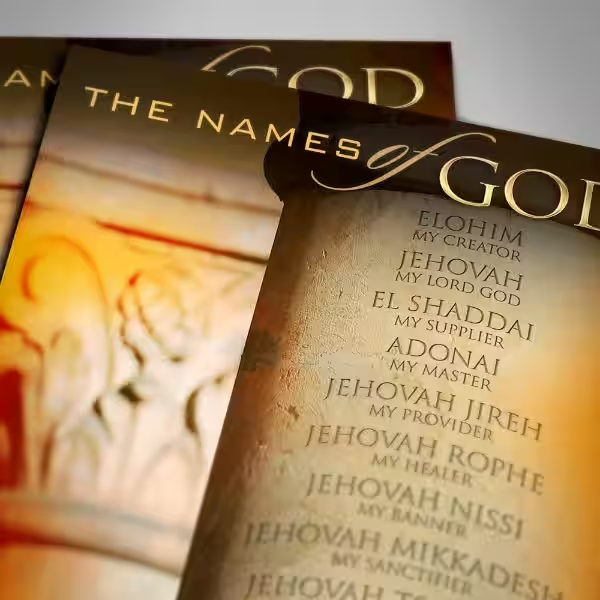
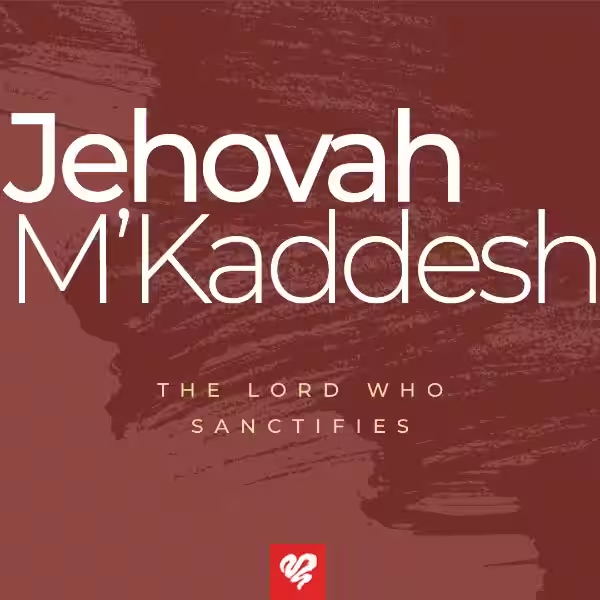
The name Jehovah Rohi, meaning "the Lord is my Shepherd," is a powerful and comforting image found within the rich tapestry of scripture. It speaks directly to the heart of God's relationship with his people, offering a profound understanding of his care, provision, and unwavering protection. But what does it truly mean to understand Jehovah Rohi in our modern lives? How can this ancient image resonate with our contemporary experiences? This article will delve into the meaning and significance of Jehovah Rohi, exploring its biblical roots and its enduring relevance for believers today.
Jehovah Rohi: A Shepherd’s Heart in a Divine Being
The term "Jehovah Rohi" originates from the Hebrew language, combining "Jehovah," the personal name of God, with "rohi" (or "raah"), meaning "shepherd." This evocative imagery draws deeply upon the familiar experience of shepherds in ancient Israel. Their lives were inextricably linked to their flocks, demanding constant vigilance, protection, and provision. This intimate connection forms the bedrock of the powerful metaphor that is Jehovah Rohi.
The most prominent example of Jehovah Rohi in Scripture is Psalm 23, penned by King David, himself a shepherd before ascending to the throne. David's firsthand experience of shepherding—protecting his flock from predators like lions and bears (1 Samuel 17:34-36)—infuses Psalm 23 with a deeply personal and visceral understanding of God's care. The psalm’s imagery is breathtaking in its simplicity and power.
The imagery of green pastures and still waters paints a picture of peaceful abundance and security. This isn't merely about material provision; it speaks to the restoration of our souls, the quiet moments of peace and replenishment that God provides amidst the chaos of life. The promise of guidance along "paths of righteousness" signifies God's active role in leading and directing our steps, ensuring we are not lost or straying from his will. Even the "valley of the shadow of death," a symbol of profound hardship and uncertainty, is met with the assurance of God's presence and protection. His rod and staff, symbols of both guidance and protection, provide comfort and reassurance even in the darkest of times.
Beyond Psalm 23: The Wholistic Care of Jehovah Rohi
The image of Jehovah Rohi extends beyond the confines of Psalm 23. Other passages, like Jeremiah 31:10 and Ezekiel 34:11-12, further reinforce this powerful metaphor, portraying God actively feeding, gathering, carrying, and gently leading his flock. This comprehensive care encompasses several key aspects:
Spiritual Nourishment: God provides spiritual sustenance through his Word, guiding and strengthening us through his teachings.
Seeking the Lost: Like a shepherd searching for a wayward sheep, God relentlessly pursues those who have strayed from his path, offering forgiveness and restoration.
Companionship Through Hardship: God walks with us through trials and tribulations, offering comfort and strength in the face of adversity.
Spiritual Restoration: He provides healing and renewal, restoring our souls and bringing us back to wholeness after periods of struggle and brokenness.
Meeting Our Needs: Jehovah Rohi provides for our needs, not necessarily every desire, but all that is truly necessary for our well-being and growth.
Protection from Evil: He safeguards us from spiritual and physical dangers, shielding us from the forces that seek to harm us.
This relationship, however, is not one-sided. We are God's sheep (Psalm 100:3; Psalm 95:7), and like sheep, we often stray (Isaiah 53:6). This understanding of our own vulnerability and tendency to wander is crucial to fully appreciating the depth of God's shepherding care.
The Ultimate Fulfillment: Jesus as Jehovah Rohi
The New Testament reveals the ultimate fulfillment of Jehovah Rohi in the person of Jesus Christ. Jesus himself identifies as the "Good Shepherd" (John 10:11, 14, 15), who lays down his life for his sheep, demonstrating the ultimate sacrifice of love and devotion. His parable of the lost sheep (Matthew 18:12-13) powerfully illustrates God's relentless pursuit of those who wander, showcasing his unwavering commitment to our salvation.
Jesus offers eternal life and protection from those who would seek to snatch us away (John 10:27-28). He actively leads us in paths of peace and righteousness (Matthew 11:28; John 10:10) and empowers us to live lives of purpose and significance, completing us in every good work (Hebrews 13:20-21). His sacrifice on the cross is the ultimate act of shepherding, providing the path to abundant life (John 10:10), and his future return promises eternal life in his presence (1 Peter 5:4).
By following Jesus, the Good Shepherd, we experience the fullness of Jehovah Rohi's promise: a life characterized by goodness, mercy, and an eternal dwelling in God's presence (Psalm 23:5-6). This is the heart of the message of Jehovah Rohi – a constant, unwavering presence, a guiding hand, and an enduring love that leads us to eternal life. In the face of life's challenges and uncertainties, the knowledge that Jehovah Rohi is our Shepherd brings immeasurable peace and reassurance.
Frequently Asked Questions about Jehovah-Rohi
What does Jehovah-Rohi mean?
Jehovah-Rohi, meaning "the Lord is my Shepherd," is a title that beautifully illustrates God's loving care and provision for His people. It combines "Jehovah," God's personal name, with the Hebrew word "rohi" (or "raah"), meaning "shepherd." This imagery draws heavily on the experience of shepherds in ancient Israel.
How is Jehovah-Rohi depicted in the Bible?
The most well-known example of Jehovah-Rohi is Psalm 23, penned by King David, who himself was a shepherd. The psalm vividly portrays God's provision (green pastures, still waters), guidance (paths of righteousness), protection (even in the "valley of the shadow of death"), and comfort (rod and staff). Other passages, such as Jeremiah 31:10 and Ezekiel 34:11-12, also use the shepherd metaphor to describe God's care for His people. The New Testament further develops this imagery through Jesus, who calls himself the "Good Shepherd" (John 10).
What aspects of God's care does Jehovah-Rohi encompass?
Jehovah-Rohi encompasses a wide range of God's loving care. This includes providing spiritual nourishment through His Word, seeking out the lost, walking with us through hardship, offering spiritual restoration, meeting all our needs, and protecting us from evil. It highlights God's active involvement in every aspect of our lives – spiritual, emotional, and physical.
No, the relationship between God and His people as depicted by Jehovah-Rohi is not one-sided. While God is the active, loving Shepherd, we are His sheep (Psalm 100:3; Psalm 95:7). As sheep, we often stray (Isaiah 53:6), requiring His constant guidance and care. This emphasizes the importance of our active participation in the relationship through faith, trust, and obedience.
How does Jesus Christ relate to Jehovah-Rohi?
Jesus Christ is the ultimate fulfillment of Jehovah-Rohi. He identifies himself as the "Good Shepherd" who lays down his life for his sheep (John 10). His parable of the lost sheep (Matthew 18:12-13) illustrates God's relentless pursuit of those who wander. Jesus offers eternal life and protection, actively leads us in paths of peace and righteousness, and works to complete us in every good work (Hebrews 13:20-21). His sacrifice on the cross provides the path to abundant life (John 10:10).
What is the significance of Psalm 23 in understanding Jehovah-Rohi?
Psalm 23 is the quintessential example of Jehovah-Rohi in Scripture. Its imagery of green pastures, still waters, and the shepherd's rod and staff powerfully communicates God's provision, guidance, protection, and comfort. David's personal experience as a shepherd informs the deeply personal and evocative language of the psalm, making it a relatable and comforting expression of faith and trust in God. The psalm speaks to our essential, emotional, and eternal needs, promising goodness, mercy, and an eternal dwelling in God's presence.
Does believing in Jehovah-Rohi mean all my problems will disappear?
While Jehovah-Rohi promises God's provision and care, it doesn't guarantee an absence of hardship or suffering. The "valley of the shadow of death" in Psalm 23 acknowledges the reality of difficult times. However, even amidst difficulties, the promise of God's presence and protection remains. Jehovah-Rohi offers comfort, strength, and guidance to navigate challenges, trusting in God's ultimate plan and purpose.