7 Redemptive Names of God: Unveiling God's Character and Covenant
7 Redemptive Names of God: Unveiling God's Character and Covenant
Have you ever wondered about the depth and richness hidden within God's names? More than simple labels, they reveal His character, His actions, and the very nature of His relationship with humanity. Understanding these names allows us to connect with God on a deeper, more personal level, just as knowing someone's name fosters intimacy within a human relationship. This article explores seven redemptive names of God, illuminating His unwavering commitment to His people and the transformative power of His covenant.
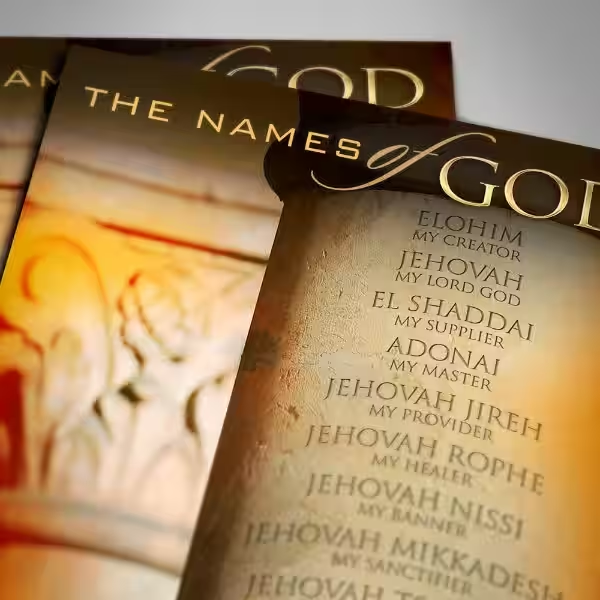
The Old Testament frequently employs different names for God, each conveying a specific aspect of His divine nature. Names like Elohim (Omnipotent Creator), Jehovah (Self-Existent Lord), and Adonai (Master and Head) form a foundational understanding of God's power, sovereignty, and authority. However, to truly grasp the depth of God's love and provision, we must delve into the redemptive names that highlight His active involvement in our lives.
The sheer frequency of the name Jehovah in the Old Testament (appearing over 6823 times) underscores its immense importance. It speaks volumes about God's active participation in human history and His ongoing, intimate relationship with humanity. Understanding these names isn't merely an academic exercise; it's a pathway to a richer, more meaningful faith.
7 Redemptive Names of Jehovah: Unveiling God’s Promises
The following seven names of Jehovah beautifully illustrate God's redemptive power and His unwavering commitment to meeting the needs of His people:
1. Jehovah Rohi (The Lord My Shepherd)
This name, deeply rooted in Psalm 23, encapsulates God's tender care and provision. The image of a shepherd leading and protecting his flock beautifully portrays God's unwavering guidance and provision for His people. He leads us through green pastures and beside still waters, even through the darkest valleys. This name assures us that our needs, both physical and spiritual, will be met.
The comforting assurance of Psalm 23 resonates powerfully with this name, reminding us that even in times of uncertainty, God is our constant companion and provider.
2. Jehovah Jireh (The Lord Will Provide)
Genesis 22 recounts Abraham's willingness to sacrifice his son Isaac, a pivotal moment demonstrating unwavering faith. God's intervention with a ram as a substitute underscores the meaning of Jehovah Jireh – God's provision, even in the most seemingly impossible situations. This name speaks to God's ability to provide beyond our understanding, exceeding our expectations and surpassing our limitations.
This name offers a profound truth: God's provision isn't always what we expect, but it's always sufficient and perfectly timed.
3. Jehovah Rapha (The Lord My Healer)
Exodus 15:26 reveals God's power to heal, both physically and spiritually. Jehovah Rapha assures us that God is not only capable of healing physical ailments but also possesses the power to mend our broken hearts, minds, and spirits. This healing transcends mere physical restoration; it encompasses complete wholeness, encompassing the restoration of our relationship with God and ourselves.
This name is a potent reminder of God's restorative power, a beacon of hope in the midst of suffering and illness.
4. Jehovah Shalom (The Lord Is My Peace)
Judges 6:24 introduces Jehovah Shalom, promising God's presence as a wellspring of peace and tranquility amidst chaos. This signifies more than the absence of conflict; it's the profound peace that surpasses all understanding, a peace that dwells within the heart of those who trust in God. It assures us that even in the midst of turmoil, God's presence brings an unshakeable calmness.
This name is a valuable anchor in the storms of life, a promise of serenity amidst the chaos of the world.
5. Jehovah Nissi (The Lord My Banner)
Exodus 17:15 portrays Jehovah Nissi as God's protective shield and banner of victory. This name symbolizes God's unwavering protection and triumph over our enemies, both spiritual and physical. It assures us that God fights our battles, providing us with strength and courage in the face of adversity.
This name inspires confidence and courage, reminding us that we are never alone in our struggles.
6. Jehovah Tsidkenu (The Lord Our Righteousness)
Jeremiah 23:6 reveals Jehovah Tsidkenu, emphasizing God's righteousness imputed to believers. This name signifies our acceptance and justification before God, not through our own merits but through the grace and sacrifice of Jesus Christ. It speaks volumes about God’s unconditional love and acceptance.
This name is a source of immense comfort and assurance, reminding us of God's unwavering love and forgiveness.
7. Jehovah Shammah (The Lord Is There)
Ezekiel 48:35 introduces Jehovah Shammah, assuring us of God's constant presence and unwavering support. This name transcends mere physical proximity; it signifies God's intimate presence in our lives, His ever-watchful care, and His unwavering accompaniment throughout our journey. This intimate presence offers comfort and strength in times of difficulty.
This name provides a powerful sense of security and belonging, reminding us that we are never truly alone.
Conclusion: Embracing the Redemptive Power of God’s Names
Studying the seven redemptive names of God allows for a deeper understanding of His character, His promises, and His unwavering commitment to His people. These names aren't mere titles; they are windows into the heart of God, revealing His compassion, power, and enduring love. By meditating on these names and allowing them to penetrate our hearts, we deepen our relationship with God and experience the transformative power of His redemptive work. May we always remember and embrace the profound truth that God is indeed our Shepherd, Provider, Healer, Peace, Banner, Righteousness, and Presence.
Frequently Asked Questions: 7 Redemptive Names of God
Here are some frequently asked questions about the seven redemptive names of God, exploring their meaning and significance:
What are the seven redemptive names of God?
The seven redemptive names of God, primarily found in the Old Testament, reveal different facets of God's character and His relationship with humanity. These names highlight His provision, protection, healing, and unwavering presence in our lives. They are: Jehovah-Rohi (The Lord my Shepherd), Jehovah-Jireh (The Lord will Provide), Jehovah-Rapha (The Lord my Healer), Jehovah-Shalom (The Lord is my Peace), Jehovah-Nissi (The Lord my Banner), Jehovah-Tsidkenu (The Lord our Righteousness), and Jehovah-Shammah (The Lord is There).
Why are these names considered "redemptive"?
These names are considered redemptive because they point to God's active role in rescuing and restoring humanity. They demonstrate His commitment to meeting our needs—spiritual and physical—and His promise of victory over adversity. Each name reflects a specific aspect of God's plan of redemption, culminating in the ultimate redemption offered through Jesus Christ.
What does Jehovah-Rohi (The Lord my Shepherd) signify?
Based on Psalm 23, Jehovah-Rohi emphasizes God's role as our loving Shepherd, providing for our needs, guiding us through difficult times, and ensuring our safety and well-being. It speaks to His constant care and protection.
What is the significance of Jehovah-Jireh (The Lord will Provide)?
Derived from Abraham's willingness to sacrifice Isaac (Genesis 22), Jehovah-Jireh signifies God's power to provide even in seemingly impossible situations. It assures us that God will meet our needs, even when we don't know how.
How does Jehovah-Rapha (The Lord my Healer) relate to healing?
This name, rooted in Exodus 15:26, speaks to God's ability to heal both physical and spiritual ailments. It highlights His power to restore wholeness and bring about complete healing.
What does Jehovah-Shalom (The Lord is my Peace) promise?
From Judges 6:24, this name promises God's presence as a source of peace and tranquility amidst chaos and conflict. It assures believers of God's ability to bring peace to their hearts and minds.
What is the meaning of Jehovah-Nissi (The Lord my Banner)?
Referenced in Exodus 17:15, Jehovah-Nissi symbolizes God's protection and victory over our enemies. It represents His strength and power to defend us from spiritual and physical attacks.
What does Jehovah-Tsidkenu (The Lord our Righteousness) represent?
From Jeremiah 23:6, this name highlights God's righteousness imputed to believers. Through faith in Christ, we receive His righteousness, granting us justification and acceptance before God.
What assurance does Jehovah-Shammah (The Lord is There) offer?
Drawing from Ezekiel 48:35, this name assures us of God's constant presence and unwavering support in every circumstance. It reminds us that God is always with us, even in the darkest times.
How can knowing these names deepen my relationship with God?
Meditating on these names helps us understand God's multifaceted nature and His unwavering love for us. Reflecting on their meaning enhances our faith and trust in Him, leading to a deeper, more intimate relationship. It allows us to connect with God on a personal level, experiencing His presence and provision in our lives.