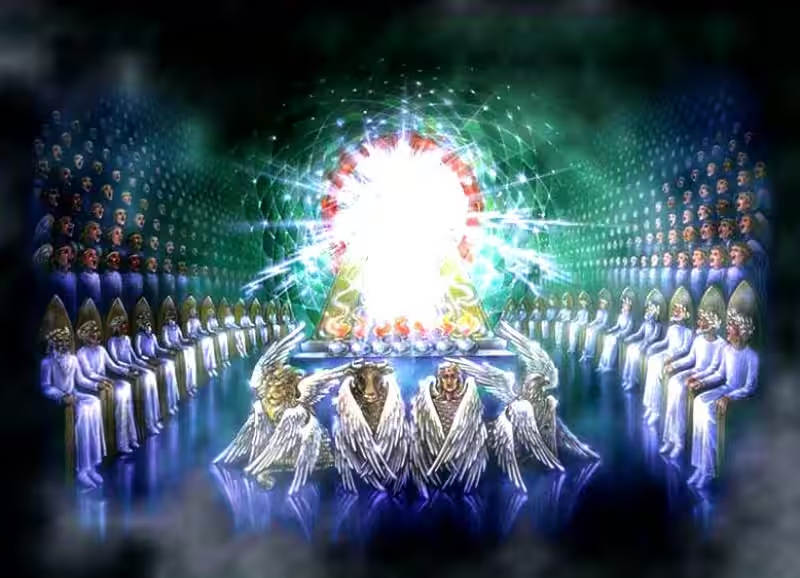
The question of whether your name is written in the Book of Life is a central theme in Christian theology. It speaks to the very heart of salvation, grace, and God's plan for humanity. Understanding this concept requires delving into scripture and wrestling with its implications. This article explores the various perspectives on this powerful image, clarifying misconceptions and offering a deeper understanding of its significance.
The concept of a "Book of Life" appears throughout scripture, sparking curiosity and debate among believers. Many interpret it as a literal register in heaven, meticulously listing those destined for eternal life. While this imagery is evocative, a closer examination reveals a more nuanced understanding.
The idea of election, or predestination, is crucial in understanding the Book of Life. Ephesians 1:4 states, "For he chose us in him before the creation of the world to be holy and blameless in his sight." This verse strongly suggests that God's choice of those destined for salvation predates the creation of the universe itself. Revelation 17:8 further reinforces this notion by stating that the Book of Life "was written before the foundation of the world."
It's important to distinguish between mentions of "books of life" in the Old Testament and the definitive Book of Life in the New Testament. Passages like Exodus 32:33 and Psalm 69:28 depict names being blotted out from books. These are distinct from the unchangeable record of the elect in the Book of Life. Even Moses, a highly favored figure, was unable to have names removed from God's favor, as evidenced by his intercession in Exodus 32:32-33. This underscores the immutability of God's choice for those whose names are written.
The eternal security of the elect is a key element to consider. This is not to say that believers can live without consequence or accountability, but that their salvation is not dependent on their own continued merit or works. Their names, once inscribed, remain there eternally. The very nature of God's election and grace ensures this.
The Counterpoint: Those Whose Names Are Not Written
Revelation 19:15 speaks of those whose names are not written in the Book of Life being cast into the lake of fire. This stark reality underscores the gravity of God's judgment and the significance of salvation.
However, it's crucial to avoid the misconception that these individuals were created solely for damnation. Romans 9:22 speaks of God's use of individuals to demonstrate His wrath. This perspective suggests that even those outside of God's election serve a purpose within God's overall plan, albeit a difficult and challenging one. Their fate serves to highlight the immensity of God's mercy and grace extended to those whose names are written in the Book of Life. It emphasizes the magnitude of the salvation offered through Christ.
This understanding is not intended to diminish the seriousness of judgment, but rather to provide a more complete picture of God's sovereignty and His just and merciful nature. It also emphasizes the incredible blessing of being among those whose names are secure in the Book of Life.
The Book of Life: Beyond a Literal Interpretation
While the image of a literal book is compelling, some theologians propose a more metaphorical interpretation. This perspective emphasizes that the Book of Life isn't a physical register, but rather a representation of Jesus Christ himself. In this view, your name is written in the Book of Life not through a pre-ordained selection before creation, but rather through your faith in Christ and union with him. Your salvation is not a result of being on a list, but of being in Christ, a living, tangible relationship.
The "pages" of this "Book" are the events of Jesus' life, ministry, death, and resurrection. The nativity ("Emmanuel, God with us"), the teachings of repentance, the promise of rest, the suffering on the Cross, the words "It is finished!", and the triumphant resurrection – these are the chapters of this living Book. Salvation is not earned through good works, but received through faith and baptism, thereby integrating us into this living narrative.
Finding Your Name: A Journey of Faith
The question of whether your name is written in the Book of Life, therefore, doesn't involve searching for a literal entry. Instead, it's a question of faith, repentance, and a life lived in Christ. It's about recognizing that the "ink" of our names isn't written before we do anything, but through the transformative power of Christ's sacrifice and our reception of that grace. It's a journey of faith, not a quest for a name on a list.
The true focus is on Christ, the living embodiment of the Book of Life itself. It’s about embracing the grace He offers, living a life that reflects His love and forgiveness, and finding our identity and purpose in that relationship. Rejoicing in our salvation, rather than focusing on our supposed merits, becomes the truest form of understanding this important theological concept. The assurance of salvation is found not in searching for our name, but in experiencing the living reality of Christ's sacrifice and its transforming power.
The Book of Life, whether understood literally or metaphorically, points to the same profound truth: God's transformative love and the immeasurable gift of salvation through Jesus Christ. The focus should be on our relationship with Him, not on a hypothetical list. This is where true understanding and assurance reside.
Frequently Asked Questions: Your Name in the Book of Life
What does it mean to have my name written in the Book of Life?
There are different theological perspectives on this. One view emphasizes God's pre-ordained election, meaning those destined for salvation were chosen before the creation of the world (Ephesians 1:4). The Book of Life is seen as a divine record of these elect, a choice that cannot be revoked. Another view proposes that the "Book of Life" is not a literal book, but rather a metaphor for Jesus Christ himself. Our names are written in this "book" through faith in Christ's sacrifice and subsequent baptism. A third perspective highlights that having one's name written in the Book of Life is the ultimate spiritual victory, surpassing even the power to overcome demonic forces (Luke 10). It emphasizes that this salvation is a gift received through humility and submission to God.
Is the Book of Life mentioned in the Old Testament the same as the one in the New Testament?
Some Old Testament passages mention books where names are written and potentially blotted out (Exodus 32:33, Psalm 69:28). However, these are likely different from the definitive Book of Life in the New Testament. The New Testament Book of Life represents the eternal record of those chosen for salvation, a choice made before the foundation of the world (Revelation 17:8). Even Moses' intercession for the Israelites' removal from God's favor was refused (Exodus 32:32-33), indicating the irrevocability of those chosen for salvation.
Can my name be removed from the Book of Life?
According to the prevailing theological understanding, once a person's name is written in the Book of Life, it cannot be removed. This reflects the concept of God's unwavering commitment to those He has chosen for salvation. While Old Testament passages mention names being blotted out, these refer to different contexts and not the definitive Book of Life.
What about those whose names are not in the Book of Life? Are they destined for damnation from the moment of their creation?
Revelation 19:15 states that those whose names are not in the Book of Life will face judgment. However, this doesn't imply they were created solely for damnation. Some theological perspectives suggest they serve to demonstrate God's wrath (Romans 9:22), highlighting the magnitude of His mercy towards the elect. This perspective emphasizes the gravity of God's judgment and the profound nature of salvation for those chosen.
How can I know if my name is in the Book of Life?
The focus should not be on searching for a literal list of the saved. If the Book of Life is understood as Jesus Christ himself, then faith in Him and the transformative experience of accepting His sacrifice is the evidence. If the Book of Life is viewed as God's pre-ordained election, then the assurance comes through the working of God's grace in one's life and a growing relationship with God. The key is a life of humble submission and devotion to God, marked by a genuine faith in Jesus Christ. Rejoicing in salvation and living a life that reflects God's grace are more important than seeking to prove one's inclusion.