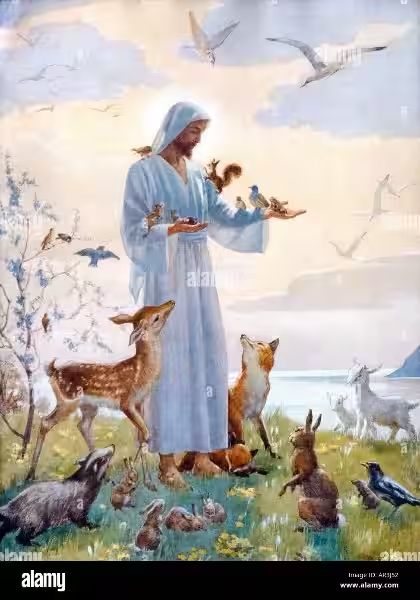
The Bible, a rich tapestry of stories and parables, isn't just about human interactions; it's teeming with animals, each playing a significant role in conveying profound spiritual lessons. From the majestic lion to the humble ant, creatures great and small serve as powerful symbols, mirroring human qualities, illustrating divine attributes, and ultimately, guiding us towards a deeper understanding of faith. This article explores some of these fascinating animal encounters, revealing the timeless wisdom they impart.
The Bible often uses animals to depict ideals like peace and harmony. One powerful example is found in Isaiah 11:6-9, a prophecy of a future where "the wolf will live with the lamb, the leopard will lie down with the goat, the calf and the lion and the yearling together; and a little child will lead them." This image goes beyond mere coexistence; it illustrates a world transformed by God's grace, where even natural predators live in perfect peace, reflecting the ultimate harmony promised in the Kingdom of God.
The gentleness of the dove, often symbolizing the Holy Spirit, further reinforces this theme. The dove's gentle nature contrasts sharply with the violence and discord often portrayed in the Old Testament, highlighting the transformative power of God's spirit, leading to peace and serenity. These images offer comfort and hope, reminding us that a future free from strife is possible.
Animals as Cautionary Tales: Deception and Danger
Not all biblical animals represent positive qualities. Some serve as cautionary tales, warning against deception and hidden dangers. The parable of the wolves in sheep's clothing (Matthew 7:15-20) is a prime example. Jesus uses this imagery to warn against false prophets and those who disguise their malicious intent behind a façade of piety.
This striking image is both memorable and effective in conveying the importance of discernment. It teaches us to be wary of appearances and to examine claims closely before accepting them as truth. The wolf, a predator in disguise, serves as a potent reminder to be vigilant and protect ourselves from those who would exploit our trust.
Leadership, Care, and the Good Shepherd
The image of a shepherd caring for his flock is a recurring motif throughout scripture, most powerfully portrayed in the parable of the Good Shepherd (John 10:14-18). Jesus identifies himself as the Good Shepherd, who lays down his life for his sheep, illustrating his selfless love and unwavering commitment to his followers.
The shepherd's dedication, his willingness to protect and guide his flock, mirrors the compassionate leadership of Jesus. This image is readily understood by all ages, making it a powerful teaching tool about selfless service and unwavering devotion. The relationship between the shepherd and his sheep provides a clear metaphor for the relationship between Jesus and his followers.
Diligence, Wisdom, and the Humble Ant
Even the smallest creatures can teach us valuable lessons. The ant, known for its industriousness and foresight, is praised in Proverbs 6:6-8: "Go to the ant, you sluggard; consider its ways and be wise! It has no commander, no overseer or ruler, yet it stores its provisions in summer and gathers its food at harvest."
The ant's diligent work and preparation for the future serve as a powerful example of wise planning and hard work. This seemingly simple creature embodies principles of responsibility and foresight, reminding us of the importance of diligence in all aspects of life – a valuable lesson for all ages. The contrast between the ant's proactive nature and the sluggard's idleness is a stark reminder of the benefits of hard work and planning.
The Unpredictability of Nature and Divine Power
The Bible also uses animals to illustrate the vastness and power of God's creation, highlighting both the beauty and unpredictability of nature. Jeremiah 8:7, for instance, mentions the migration of birds: "Even the stork in the heavens knows its appointed times, and the turtledove, the swift, and the thrush observe the time of their coming. But my people do not know the law of the Lord."
This passage underscores the order and precision of the natural world, contrasting it with humanity's lack of understanding of God's law. The regularity of the birds' migration highlights the intricate design of God's creation and serves as a reminder of the natural world's dependence on God's plan. Similarly, the power of the sea and its creatures in Job 12:7-10 emphasizes the immense power of nature, a power that mirrors God's own might.
Humility, Repentance, and the Story of Jonah
The story of Jonah (Jonah 2) provides a powerful illustration of repentance and God's mercy. Swallowed by a great fish, Jonah spends three days in its belly, a period of reflection and humbling experience that leads to his repentance.
The fish, in this case, serves as a catalyst for Jonah's spiritual transformation. It is not just a mode of punishment, but a tool for spiritual growth, leading Jonah to acknowledge his disobedience and turn back to God. The story emphasizes the importance of humility and the boundless mercy of God, even in the face of rebellion.
Magnificence, Power, and the Lion’s Roar
The lion, often a symbol of power and majesty, frequently appears in the Bible, reflecting God's own power and sovereignty. Psalm 104:20-35, for example, celebrates God's creation, highlighting the lion's strength and place within the larger ecosystem.
The lion's roar, a symbol of power and authority, echoes God's own power over creation. The psalm emphasizes God's mastery over all things, highlighting the magnificence and intricacy of the natural world, which is all under God's watchful care and control.
Triumph, Celebration, and the Humble Donkey
Even the humble donkey plays a significant role in conveying a powerful message. In Matthew 21:1-11, Jesus's triumphal entry into Jerusalem, riding on a donkey, signifies humility and approaching victory.
This seemingly simple act highlights Jesus's humility and his peaceful approach to his final mission. The donkey, an unassuming creature, becomes a powerful symbol of meekness and strength, emphasizing the unexpected ways God chooses to reveal his glory.
Longing, Faith, and the Thirsty Deer
The image of the thirsty deer panting for water (Psalm 42) beautifully illustrates the believer's deep longing for God and the comfort found in faith. The deer's desperate thirst mirrors the believer's spiritual thirst for God's presence and grace.
The deer, in its vulnerability and yearning, becomes a powerful symbol of human dependence on God. It emphasizes the importance of faith and trust in God, especially during times of spiritual dryness or hardship. The Psalm provides comfort and hope, assuring believers that their thirst for God will be quenched.
In conclusion, the animals in the Bible are far more than just background elements; they are integral to the narratives, teaching valuable lessons about faith, morality, and the nature of God's creation. By understanding the symbolism and messages conveyed through these creatures, we can gain a deeper appreciation for the richness and depth of the biblical text.
Frequently Asked Questions: Animals in the Bible and the Lessons They Teach
Here are some frequently asked questions about the ways animals in the Bible teach us valuable lessons, particularly for children and young people:
What is the main idea behind using animals from the Bible to teach children?
The main idea is to make the Bible more accessible and engaging for children by using familiar animals and their stories. Animals in the Bible often symbolize important concepts, making complex spiritual truths easier to understand and remember. It bridges the gap between the ancient context of the Bible and the modern experiences of children.
What kind of lessons can children learn from animals in the Bible?
Children can learn a wide range of moral and spiritual lessons. For example, the gentle dove and grazing animals teach gentleness and peace. The industrious ant teaches diligence and planning. The parable of the Good Shepherd illustrates loving care and leadership. The story of Jonah teaches about repentance and God's mercy. Other lessons include discernment (wolves in sheep's clothing), the power of God (lions, storms, sea creatures), humility (the donkey's role in Jesus' triumphal entry), and faith (the deer panting for water).
Are there specific animals that represent particular qualities?
Yes, many animals hold symbolic meaning. Doves often symbolize peace and the Holy Spirit. Lions represent strength and majesty, reflecting God's power. Lambs represent innocence and sacrifice, pointing to Jesus. Serpents often represent deception and temptation. The ant symbolizes diligence and hard work. Shepherds represent care and leadership, often mirroring Jesus' role.
How do the stories of animals in the Bible help children connect with their faith?
By connecting familiar animals with relatable situations and important biblical truths, children can better understand and engage with the stories. The use of animals makes the stories more memorable and engaging, fostering a deeper connection to their faith and the overarching message. This approach helps to create a lasting positive spiritual impact.
What are some examples of Bible stories featuring animals that teach valuable lessons?
Many stories illustrate this! The story of Jonah and the whale teaches about God's mercy and forgiveness. The parable of the Good Shepherd teaches about Jesus's loving care for his followers. The story of Balaam's talking donkey highlights God's unexpected ways of communicating. The ant's industry in Proverbs teaches the importance of hard work. The peaceful coexistence of animals in Isaiah 11 illustrates the hope of a future where peace and harmony prevail.
How can I use these animal stories to teach children effectively?
Use interactive methods like storytelling, role-playing, crafts, or drawing activities to make the lessons engaging. Relate the animal's qualities to everyday situations, helping children understand how they can apply these lessons in their own lives. Encourage discussion and questions to foster deeper understanding and reflection. Consider using visual aids like pictures or videos to enhance the learning experience.