What to Read in the Bible: Finding Your Path Through Scripture
What to Read in the Bible: Finding Your Path Through Scripture
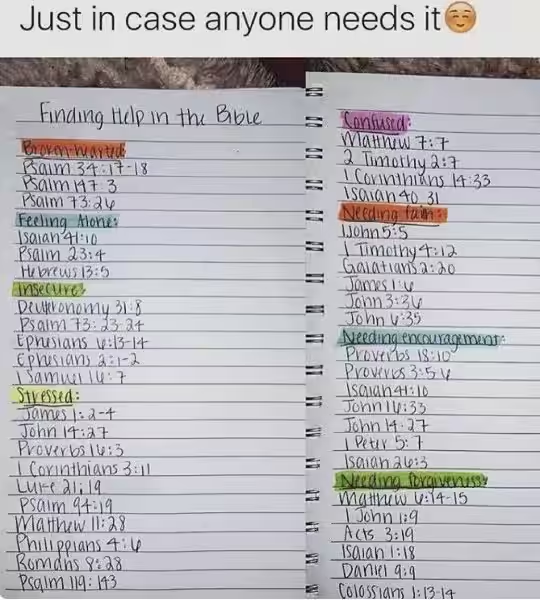
So, you want to read the Bible, but where do you even begin? The sheer size and variety of books can feel overwhelming, especially when life throws curveballs your way and you're seeking solace or spiritual nourishment. This feeling isn't unique; many find themselves struggling to know what to read in the Bible, particularly during times of stress or spiritual dryness. This article offers a practical and approachable solution: embrace the power of the Psalms.
The Book of Psalms, nestled roughly in the middle of the Old Testament, offers a unique and accessible entry point into the vast landscape of scripture. Unlike many other biblical books that benefit from sequential reading, the Psalms invite a more flexible approach. They are a collection of lyrical poetry and prayers, attributed to various authors, primarily King David. Their beauty lies in their raw honesty and emotional depth.
These deeply personal expressions of faith, doubt, joy, and sorrow resonate deeply with the human experience. This resonates powerfully with the modern reader, who may find themselves struggling with similar emotions and experiences. They offer a powerful tool for emotional processing and spiritual connection, making them especially beneficial during times of emotional turmoil or spiritual dryness.
Four Key Advantages of Reading Psalms
The Psalms' suitability for those seeking immediate spiritual comfort stems from several key characteristics:
Brevity and Accessibility: Psalms are generally short, making them perfect for busy days or moments when your spiritual energy is low. You can read a single Psalm in a few minutes, or meditate on it for a longer period, depending on your needs and available time. This accessibility is crucial for maintaining a consistent Bible reading habit.
Emotional Honesty and Relatability: Unlike some other biblical texts, the Psalms don't shy away from expressing a wide range of human emotions. You’ll find expressions of worship, praise, lament, anger, doubt, and supplication. This emotional honesty allows you to connect with God on a visceral level, bypassing the need for carefully crafted prayers or spiritual pretense. Reading the Psalms feels like reading someone's diary, someone who understands your struggles and shares your vulnerabilities.
Prayerful Nature and Adaptability: Many Psalms are prayers themselves, functioning as models for your own prayers. This practice of “praying Scripture” can be incredibly powerful. For instance, Psalm 27:4, "One thing I have asked of the Lord, this is what I seek: that I may dwell in the house of the Lord all the days of my life, to gaze on the beauty of the Lord and to seek him in his temple," expresses a heart longing for deeper intimacy with God—a longing many of us share. You can adapt these prayers, making them your own.
Flexibility and Spontaneous Engagement: While possessing a thoughtful structure and organization, the Psalms can be read in any order. This allows for spontaneous engagement. Open the book randomly, and you’ll likely find a passage that resonates with your current emotional state and spiritual needs. This characteristic makes the Psalms particularly beneficial during times of uncertainty or spiritual dryness, when you may not know what you need but are seeking comfort and guidance.
Beyond Psalms: Strategic Bible Reading for Literary Exploration
My current exploration of the New King James Version (NKJV), particularly the Book of Exodus, has sparked another consideration: strategic Bible reading. While the Psalms offer an immediate solace, what books should be prioritized for a deeper understanding of literary connections?
My interest lies in classical literature, specifically exploring biblical influences present in major works like Dante Alighieri’s La Divina Comedia and John Milton's Paradise Lost. These works are deeply rooted in biblical narratives and imagery; therefore, a selective approach to reading the Bible becomes essential.
To fully grasp the thematic and literary parallels between these masterpieces and their biblical source material, a targeted selection of biblical books is necessary. For instance, understanding the creation account in Genesis is crucial for interpreting the initial chapters of Paradise Lost, and familiarity with the various accounts of the afterlife in both the Old and New Testaments enhances the appreciation of Dante's Inferno and Paradiso.
This approach prioritizes contextual understanding and explores the rich tapestry of intertextuality woven throughout these literary giants and their biblical foundation. It’s a research-oriented method, ensuring that the Bible reading experience directly supports my broader literary goals.
A Lighthearted Approach: Finding Your Biblical Match
While strategic reading is important, let's not forget the joy of discovering the Bible's diverse voices and narratives! The Bible is a vast collection of different genres, each offering unique insights into God's character and humanity's relationship with Him. Just as there's a wide range of human experiences, there's a similarly wide range of genres and styles within the Bible. It's important to find the style that best suits your personality and reading preferences.
Strong female leads? Esther is a powerful example.
Need wise advice? The Book of James is like a high-powered advice column.
Enjoy letters and correspondence? 1 and 2 Timothy are perfect.
Love adventure stories? Exodus is a classic.
Interested in laws and regulations? Leviticus might surprise you.
Into apocalyptic or futuristic narratives? Revelation awaits.
Appreciative of poetry? The Psalms offer a wealth of poetic beauty.
Prefer angsty or reflective poetry? Ecclesiastes is your choice.
Love family history and origins? Start with Genesis.
Root for the underdog? 1 Samuel is your story.
Enjoy short, impactful sayings? Proverbs are your friend.
Love suspense and thrillers? Daniel will keep you on the edge of your seat.
Want life-changing narratives? The Gospels (Matthew, Mark, Luke, and John) are essential.
Ultimately, all these diverse styles point to the same overarching narrative—the story of God's love for humanity and the ultimate redemption found in Jesus Christ. God created both the diverse human population and the diverse content of the Bible to match. Find your match and begin your journey.
A 150-Day Psalm Journey: A Practical Suggestion
To encourage consistent engagement with the Psalms, I recommend a 150-day reading plan, one Psalm per day. You can follow it sequentially, or feel free to jump around, allowing the Holy Spirit to guide you to the Psalm that you need, when you need it. This provides a structured yet flexible approach to reading the Psalms, ensuring you experience the full range of emotions and messages contained within this incredible book. Whether you are seeking solace, spiritual growth, or a deeper connection with God, the Psalms offer a readily accessible and emotionally resonant pathway to enrich your spiritual life.
Frequently Asked Questions: What to Read in the Bible?
This FAQ addresses common questions about choosing what to read in the Bible, offering diverse approaches for different readers and situations.
Where should I start reading the Bible if I'm feeling overwhelmed?
The Book of Psalms is an excellent starting point, especially if you are feeling stressed or spiritually dry. Its short, lyrical poems and prayers offer emotional honesty and flexibility. You can read a Psalm a day, or even just a verse, and find comfort and connection with God.
Why are the Psalms recommended for beginners or those struggling with consistent Bible reading?
The Psalms offer several advantages:
Brevity: Psalms are short, making them accessible even when time is limited or spiritual energy is low.
Emotional Honesty: They express a wide range of human emotions, allowing for a visceral connection with God without the need for overly formal prayers.
Prayerful Nature: Many Psalms are prayers themselves, easily adapted for personal use.
Flexibility of Order: You can read them in any order, finding a passage that resonates with your current mood or needs.
What if I'm interested in a specific genre or theme? What books of the Bible should I read?
The Bible offers a wide variety of genres and themes. To help you find something that matches your interests:
Romantic stories: The book of Ruth.
Home improvement narratives: Nehemiah.
Action and violence: The book of Judges.
Strong female leads: Esther.
Advice columns: The book of James.
Letters and correspondence: 1 and 2 Timothy.
Adventure stories: Exodus.
Rules and laws: Leviticus.
Futuristic or apocalyptic narratives: Revelation.
Poetry: Psalms.
Angsty/reflective poetry: Ecclesiastes.
Genealogy and origins: Genesis.
Underdog stories: 1 Samuel.
Short, insightful sayings: Proverbs.
Suspense and thrillers: Daniel.
Life-changing narratives: The Gospels (Matthew, Mark, Luke, and John).
I'm studying classical literature (like La Divina Comedia and Paradise Lost). Which books of the Bible would be most relevant for understanding their biblical influences?
To understand the biblical influences in La Divina Comedia and Paradise Lost, focus on books containing key narratives and themes relevant to those works. These might include Genesis (creation, fall of man), Exodus (escape, covenant), Psalms (emotional range and prayer), Isaiah (prophecy, judgment), and Revelation (apocalypse). A careful study of these books will provide crucial context for appreciating the literary and theological connections between the Bible and these major literary works. The Gospels are also essential for understanding the portrayal of Christ and his teachings.
Is there a recommended reading plan for the Psalms?
Yes, a 150-day reading plan covering all 150 Psalms is suggested. You can approach this sequentially or randomly, choosing whichever method best suits your needs and preferences. Even reading a single Psalm a day can provide significant spiritual nourishment.
What's the overall message of the Bible?
While the Bible contains diverse books with varying styles and themes, they all ultimately point to Jesus Christ and the story of God's plan for humanity.