Understanding Angelic Prophecy: A Balanced Approach
Understanding Angelic Prophecy: A Balanced Approach
Angelic prophecy, the idea that angels deliver divine messages predicting future events or revealing God's will, has captivated believers for centuries. However, understanding its role requires careful consideration, avoiding both reckless speculation and dismissal of the possibility. This article examines scriptural evidence, cautions against misinterpretations, and highlights the importance of a balanced approach to prophetic revelation.
The Dangers of Speculative Prophecy: Lessons from Revelation 10
Revelation 10 depicts a powerful angel with a sealed scroll, symbolizing the profound yet partially hidden nature of God's plan. This passage serves as a powerful caution against the pitfalls of overly specific prophetic pronouncements, often referred to as "Newspaper Theology," where current events are hastily interpreted as direct fulfillments of biblical prophecies.
The danger of such interpretations lies in their potential for harmful consequences. Consider the devastating impact of failed predictions, like Edgar Whisenant's 1988 rapture prediction. Such events can severely damage faith, leading to disillusionment and spiritual harm. This underscores the critical importance of humility and a recognition of the limits of human understanding regarding God's timetable.
Matthew 24:36 warns us that only the Father knows the day and hour of Christ's return. This truth should temper our enthusiasm for precise predictions and encourage a focus on living faithfully in anticipation of His coming. The angel's oath in Revelation 10:6 confirms the ultimate fulfillment of God's promises, but it doesn't provide a specific timetable.
Biblical Precedent for Angelic Communication: Old and New Testament Examples
While caution against overly specific predictions is warranted, the Bible does offer numerous instances of angels conveying prophetic messages. This isn't a recent phenomenon, but a recurring theme throughout scripture. Examination of these instances provides a valuable framework for understanding the role of angelic prophecy.
Old Testament Examples
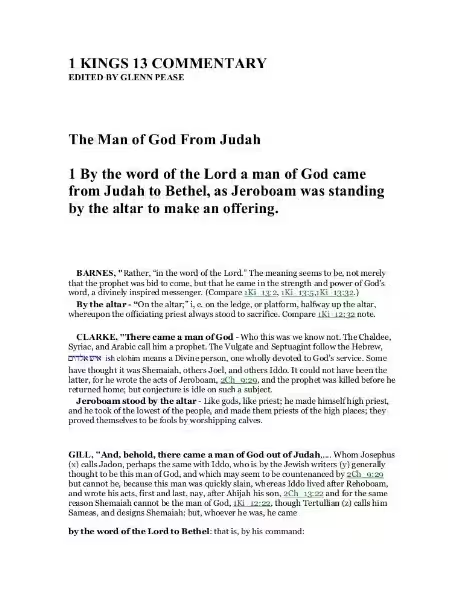
The Old Testament is replete with examples of angels delivering prophetic messages. Hagar received a prophecy from an angel concerning Ishmael (Genesis 16:10-12), while Abraham received a similar message concerning his descendants (Genesis 22:15-18). Even in seemingly contradictory stories, like that of the prophet in 1 Kings 13, the narrative highlights the commonplace nature of angelic communication within the prophetic context. The lie told to the prophet was believable precisely because angelic interactions were expected.
Furthermore, Zechariah 1 provides additional examples of angels explaining visions (v.9) and directly delivering prophetic messages for the people (vv. 14-17). Similar angelic activity is evident in the book of Daniel, where angelic beings frequently appear to interpret visions and deliver prophecies. These examples demonstrate that angelic involvement in prophetic communication was a normal part of God's interaction with His people.
New Testament Examples
The New Testament, particularly the Book of Revelation, further supports the concept of angelic prophecy. Multiple passages detail angels revealing prophetic visions and messages to John. For instance, Revelation 10:1-11 describes an angel with a sealed scroll containing prophetic words. Other examples include the angel's revelation of the judgment of Babylon (Revelation 17:1-18) and the future state of the Church (Revelation 21:9-27). Revelation 22:6 explicitly affirms that God uses angels to reveal future events to His servants.
These examples, spanning both testaments, strongly suggest that angelic involvement in prophecy is a significant and consistent aspect of God's revelatory work.
Modern Interpretations and the Need for Discernment
While the biblical evidence is clear, modern interpretations of angelic prophecy require careful discernment. Claims of receiving highly specific prophecies from angels should be approached with caution. It's crucial to remember that the Bible itself warns against false prophets and emphasizes the importance of testing every spirit (1 John 4:1).
Some ministries emphasize the role of angels in fulfilling prophetic pronouncements, suggesting a close collaboration between prophets and angelic beings. While this view might find support in certain passages, it's crucial to avoid potentially unbalanced interpretations. The focus should remain on God's sovereign will and the reliability of scripture as the ultimate source of truth. The potential for misinterpretation highlights the need for spiritual maturity and reliance on the Holy Spirit's guidance. Authentic angelic prophecy will align with scripture, promote God's glory, and edify the church.
The Importance of a Balanced Approach
Ultimately, a balanced approach to angelic prophecy is essential. We must acknowledge the biblical precedent for angelic communication while remaining wary of reckless speculation and unsubstantiated claims. The focus should always remain on the core message of the Gospel: the love of God, the sacrifice of Jesus Christ, and the hope of eternal life.
While the return of Christ is certain, the exact timing remains unknown. Instead of fixating on predicting the end times, we should prioritize living faithfully, sharing the Gospel, and preparing ourselves for His coming. This balanced approach, combining anticipation with action, allows us to navigate the intricacies of prophetic revelation with humility and wisdom, embracing the mystery of God's plan while remaining steadfast in our faith. The focus should be on living a life pleasing to God, regardless of the specific timing of future events. This includes both actively sharing the good news and preparing ourselves for whatever challenges lie ahead. The certainty of God's love and the promise of eternal life provide a solid foundation for navigating the complexities of prophetic understanding.
Frequently Asked Questions about Angelic Prophecy
What is angelic prophecy, and is it biblically supported?
Angelic prophecy refers to the communication of God's prophetic messages through angelic intermediaries. Biblical accounts, from both the Old and New Testaments, offer numerous examples of angels delivering prophecies to individuals and nations. These range from specific pronouncements about individuals (e.g., Hagar in Genesis 16) to broader revelations about God's plan (e.g., the angel's explanations in Zechariah 1 and John's visions in Revelation). While the Bible emphasizes the importance of discernment and caution against false prophecy, the role of angels in conveying divine revelation is a recurring theme. However, it's crucial to distinguish between accurate interpretation of these messages and speculative pronouncements claiming to know the exact timing of future events.
How can we differentiate between true angelic prophecy and false prophecy?
Discernment is crucial in evaluating prophetic claims, especially those involving angelic communication. True angelic prophecy will align with Scripture, promoting God's character and leading to repentance and faith. It will generally focus on God's unchanging will rather than specific predictions tied to current events. False prophecy, on the other hand, often prioritizes sensationalism, specific predictions that ultimately fail, and might seek personal gain. The Bible warns against those who claim to know the time of Christ's return (Matthew 24:36), highlighting the danger of overly specific pronouncements. A healthy skepticism, prayerful consideration, and reliance on Scripture are essential for discerning true from false prophecy, regardless of the claimed source.
Does the Bible ever warn against trusting in specific prophetic pronouncements?
Yes, the Bible strongly cautions against placing undue emphasis on precise timelines for future events, particularly concerning Christ's return. Matthew 24:36 explicitly states that only the Father knows the day and hour. The sermon on Revelation 10 highlights the dangers of "Newspaper Theology," where current events are interpreted as direct fulfillment of prophecy. The failed predictions of the past, like Edgar Whisenant's 1988 rapture prediction, serve as cautionary tales against the pitfalls of overly specific prophetic pronouncements. While the Bible speaks of future events, the precise timing is often kept hidden, emphasizing the importance of living faithfully in the present.
What is the role of angels in conveying God's prophetic word according to the Bible?
The Bible depicts angels as messengers of God, often playing a crucial role in delivering prophecies. Their involvement ranges from explaining visions to directly revealing prophetic messages to individuals or groups. While angels communicate God's will, they do not create or alter it. Their role is to transmit divine revelation, not to initiate or interpret it independently. Interpreting angelic messages requires careful consideration of scripture and prayerful discernment to avoid misrepresentation or misunderstanding of God’s will. The emphasis should always remain on God's character and message, not on the specifics of timing or events.
Should we expect more frequent angelic prophetic communication today?
While the Bible demonstrates angelic involvement in prophecy throughout history, there's no biblical basis to expect a significant increase in such communication today. The emphasis should be on faithfully studying and applying Scripture, rather than seeking out dramatic or sensational prophetic words. While some individuals may claim to receive messages from angels, discernment is crucial to differentiate between genuine divine revelation and potentially false or misinterpreted claims. The ultimate source of truth and guidance remains the Bible itself, and a reliance on it will prevent us from being led astray.