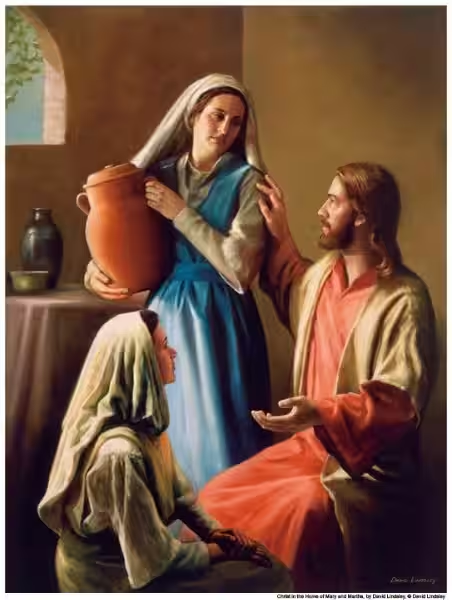
Martha and Mary Reflection: Finding the Balance in Discipleship
Martha and Mary Reflection: Finding the Balance in Discipleship
The story of Martha and Mary, found in Luke 10:38-42, is a timeless parable that continues to resonate with Christians today. It sparks a key question: how do we find the right balance between active service and quiet contemplation in our faith journey? This reflection explores the multifaceted nature of their discipleship, moving beyond simplistic interpretations and examining the nuanced ways their actions illuminate the path to a deeper relationship with Christ.
Understanding the Luke Passage: More Than Just Busyness
The familiar passage depicts Martha, overwhelmed with preparing a meal for Jesus and her guest, expressing frustration at Mary's quiet contemplation at Jesus' feet. This scene is often interpreted as a direct condemnation of Martha's busyness, painting her as the flawed example. However, a deeper look reveals a more complex dynamic.
Jesus' response, "Martha, Martha, you are anxious and troubled about many things, but one thing is necessary. Mary has chosen the good portion, which will not be taken away from her," is not a complete dismissal of Martha's service. Instead, it highlights the priority of spiritual intimacy with Jesus. It's not about abandoning service, but about ensuring that it springs from a place of peace and centeredness, not frantic activity.
The Nuanced Approaches: Service and Contemplation
Martha's actions, while commendable, lacked the essential element of spiritual intimacy. Her dedication to hospitality, although a valuable ministry, became unbalanced, overshadowing the opportunity for direct fellowship with Jesus. Mary, in contrast, prioritized this connection, choosing to sit at Jesus' feet and learn from him.
This doesn't imply that one approach is inherently superior. Rather, effective discipleship requires a blend of both active service and contemplative devotion. The key lies in finding the right balance, informed by individual gifts, callings, and specific circumstances. A Martha and Mary reflection must acknowledge the importance of both.
Beyond the Binary: Reframing the Narrative
Many interpretations of the Martha and Mary reflection fall into a binary trap – either you're a "Martha" or a "Mary." This is a reductive approach. Scripture doesn't advocate for one specific style of discipleship but instead emphasizes the need for integration. A healthy spiritual life involves both practical acts of service and meaningful time spent in prayer, meditation, and fellowship.
The parable serves as a warning against the pitfalls of excessive busyness, which can lead to spiritual exhaustion and a lack of genuine connection with God. Conversely, it also cautions against a purely contemplative approach that neglects the call to serve others. True discipleship involves conscious effort to integrate both aspects.
Practical Applications: Balancing Act in Modern Life
In our fast-paced modern lives, the Martha and Mary reflection holds particular relevance. We often find ourselves caught in the whirlwind of activities, commitments, and responsibilities, mirroring Martha's predicament. The constant pressure to do more, achieve more, and serve more can leave us spiritually depleted and disconnected from the very source of our strength.
A meaningful Martha and Mary reflection prompts us to examine our own lives. Are we prioritizing what truly matters? Are we allowing time for quiet reflection and spiritual nourishment? Are we so consumed with activity that our service lacks genuine intention and love?
Cultivating a Healthy Equilibrium: Practical Steps
The answer isn't to abandon our responsibilities but to cultivate a more intentional approach. This might involve incorporating practices like:
Regular prayer and meditation: Setting aside dedicated time for quiet communion with God.
Observing Sabbath: Intentionally resting and disconnecting to recharge spiritually and emotionally.
Mindful time management: Prioritizing tasks and delegating where necessary to avoid overwhelming ourselves.
Self-awareness: Paying attention to our tendencies towards either extreme (excessive busyness or excessive introspection) and consciously adjusting our approach.
A Deeper Meaning: Prioritizing Relationship
Ultimately, the "better part" that Jesus mentions isn't about rejecting service but about prioritizing our relationship with Christ above all else. Both Martha and Mary's actions, though different, sprang from a desire to serve and honor Jesus. The lesson lies in ensuring that our service, our contemplation, and every aspect of our lives flows from this central relationship.
A true Martha and Mary reflection leads us to this crucial realization: The most impactful service is rooted in a deep and abiding connection with God. It is a service performed not out of obligation or anxiety, but from a place of love, peace, and genuine devotion. This is the essence of discipleship – a harmonious blend of action and contemplation, all centered on our relationship with Jesus.
Martha and Mary Reflection: Frequently Asked Questions
What is the main takeaway from the parable of Martha and Mary in Luke 10:38-42?
The parable of Martha and Mary isn't about condemning Martha's service, but rather highlighting the importance of balance in discipleship. It emphasizes that while active service is valuable, prioritizing spiritual contemplation and fellowship with Jesus is equally, if not more, crucial. The "better part" isn't rejecting service, but ensuring that our relationship with Christ remains central. Different reflections emphasize different aspects of this balance, sometimes highlighting the importance of Martha's practical service as a necessary component of spiritual life, other times focusing on Mary's contemplative worship as the most important. Ultimately, the message points to the need for a conscious integration of both aspects rather than an either/or scenario.
Does Jesus condemn Martha's actions?
No, Jesus doesn't condemn Martha's service. He acknowledges and appreciates her efforts in preparing for him. However, He gently points out that she is burdened by her anxieties and distractions. Her service, while commendable, lacked the essential element of spiritual intimacy. The focus is not on the work itself but on Martha's state of mind and her prioritizing of tasks over fellowship with Jesus. Some interpretations suggest Jesus' response also prompts reflection on societal expectations and the need to challenge traditional gender roles.
What is the significance of Mary sitting at Jesus' feet?
Mary's act of sitting at Jesus' feet is significant because it was a posture typically reserved for male students learning from a rabbi. By choosing this position, Mary openly demonstrates her desire for spiritual instruction and intimate fellowship with Jesus, challenging traditional gender roles. This action, depending on the interpretation, serves as a model of prioritizing spiritual growth and a close relationship with God.
How can modern Christians apply the lessons of Martha and Mary to their lives?
Modern Christians can learn from Martha and Mary by striving for a balance between active service and quiet time with God. This balance might involve practices like prayer, meditation, Sabbath observance, and intentional time management. It requires self-awareness to recognize one's tendencies toward either extreme (excessive busyness or excessive introspection) and developing strategies to cultivate a healthier equilibrium. The goal is to prioritize a deeper, more meaningful relationship with Jesus, encompassing both action and contemplation. It also involves reflecting on the motivations behind our actions and ensuring they stem from a place of peace rather than anxiety or a need for control.
Are there different interpretations of the Martha and Mary story?
Yes, there are varying interpretations. Some interpretations focus on the necessity of Martha's practical service, emphasizing that without such efforts, spiritual experiences are impossible. Other interpretations underscore Mary's contemplative worship as the higher priority, highlighting the importance of prioritizing spiritual intimacy. Some highlight the social context of the time and the challenge to traditional gender roles and expectations. However, most agree on the central message of finding balance and prioritizing one's relationship with God. The varying interpretations often highlight different aspects of the same central message, rather than being mutually exclusive.
What is the significance of the connections between the accounts of Martha and Mary in different Gospels?
Different Gospel accounts of Martha and Mary highlight different aspects of their characters. Some interpretations emphasize the consistency of their actions across different narratives, pointing to the sisters' distinct personality traits and spiritual gifts. Comparative analysis helps to understand the nuances of their actions and the diverse ways spiritual gifts manifest. The differences in emphasis across various Gospels are considered a demonstration of unique narrative perspectives and not necessarily contradictions. The recurring themes, however, emphasize the enduring message of balanced discipleship.