Understanding God's Call: When to Call Elijah (and When Not To)
Understanding God's Call: When to Call Elijah (and When Not To)
This article explores the multifaceted nature of God's calling, using the biblical example of Elijah to illustrate how divine guidance manifests in various ways. We'll move beyond simplistic notions of a "calling" as only grand, world-altering events, exploring three distinct facets: calls to significant action, calls to seemingly small acts of service, and calls to rest and restoration.
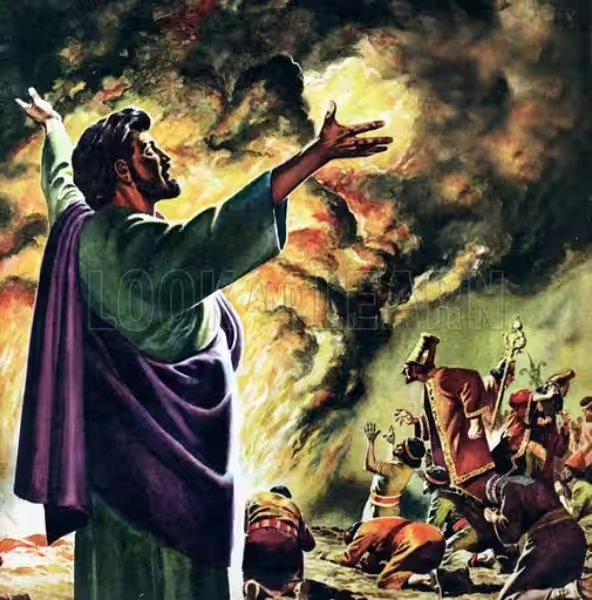
Elijah's dramatic confrontation with the prophets of Baal on Mount Carmel (1 Kings 18) is a powerful example of a call to significant action. This public demonstration of God's power had a profound societal impact, showcasing a calling to large-scale change. While such dramatic interventions might not be commonplace in our lives, they highlight the possibility of God using individuals to achieve His purposes on a grand scale.
These "big things" often leverage our unique strengths and passions. Think of missionary work, establishing safe havens for the vulnerable, or combating human trafficking. The crucial point, however, is recognizing that the individual is a vessel, a tool in God's hands, not the sole architect of the outcome. God's power fuels the endeavor, not simply our own efforts. It's about being obedient to the call, trusting in God's guidance even when the path seems daunting.
Conversely, Elijah's ministry to the widow of Zarephath (1 Kings 17) demonstrates a different facet of God's calling: seemingly small acts of service. Providing for the widow's immediate needs – food and healing for her son – highlights that God's calling can manifest in quiet, everyday acts of kindness and compassion.
These seemingly insignificant acts can have profound ripple effects, demonstrating God's love in tangible ways. A simple act of listening, offering help to a neighbor in need, or volunteering at a local charity – these are all examples of answering God's call in "little things." These acts, while seemingly small in scale, cumulatively build a tapestry of love and service that reflects the heart of God. They are equally as important as the grand gestures.
God Calls Us to “No Things”: The Importance of Rest and Restoration
Elijah's despair and plea for death in 1 Kings 19:4 reveal a crucial, often overlooked aspect of God's calling: the call to rest and restoration. His experience, as analyzed by experts like Dr. Mark Riley, shows symptoms consistent with depression. This highlights that periods of inactivity, recovery, and self-care aren't signs of failure but integral parts of God's plan.
God's response – rest and nourishment (1 Kings 19:7) – underscores the importance of acknowledging our limitations and seeking replenishment. This "call to no things" is temporary, a crucial period of renewal that prepares us for renewed service. Ignoring this vital aspect of God's plan can lead to burnout and hinder our ability to effectively answer His call in the future. Learning to recognize and honor our need for rest is a critical part of living a spiritually healthy life.
Discerning God’s Voice: How to Know When to Call Elijah (or Someone Else)
Discerning God's voice amid the noise of life is a crucial skill. How do we know when we're truly hearing His call? Several strategies can help:
Repeated Messages: God often uses repetition to emphasize a specific direction. If you keep encountering the same message or opportunity, pay close attention.
Alignment with Biblical Principles: Does the "call" align with God's character as revealed in scripture? Does it promote love, justice, and righteousness? If not, it's unlikely to originate from God.
Utilization of Spiritual Gifts: Identify and utilize your unique spiritual gifts. God often uses our talents and abilities to further His purposes. Are you drawn to certain activities or causes that align with your strengths? This can be a strong indicator of His calling.
For instance, if you consistently feel drawn to helping the homeless and possess a gift of compassion, this could suggest a call to serve in a ministry that addresses homelessness. However, if you constantly feel pulled toward a path that contradicts your values or creates conflict within your conscience, it might be time to pause and prayerfully consider its source.
The Unpredictability of a Divine Calling
It’s essential to understand that a divine calling doesn't guarantee immediate or lasting success. Elijah faced opposition and doubt. There will be setbacks, periods of uncertainty, and moments when you question your path. The key is to trust in the process, to remain faithful despite the challenges. God's timing is not always our timing, but His plan is always perfect. Learning to trust in Him, even in the midst of uncertainty, is a crucial part of answering His call. This trust and faith allow us to persevere and seek His guidance, even when the path forward is unclear. Remember, even in the moments when we feel lost or overwhelmed, God is still leading and guiding us, even if we can't see it clearly at the time. The journey is as important as the destination.
Frequently Asked Questions: Understanding God’s Call Like Elijah
What are the different ways God calls us, as illustrated by Elijah's life?
Elijah's life demonstrates that God's call isn't limited to one grand, dramatic event. Instead, it manifests in at least three distinct ways: calls to significant action (like Elijah's confrontation with the prophets of Baal), calls to seemingly small acts of service (like his ministry to the widow of Zarephath), and calls to rest and restoration (his experience of despair and subsequent renewal). These facets highlight the diverse ways God works through individuals to accomplish His purposes.
How can a “call to significant action” look in modern life, following Elijah's example?
Elijah's dramatic confrontation with Baal represents a call to large-scale societal impact. Modern equivalents could include missionary work, establishing safe havens for the vulnerable, combating human trafficking, or advocating for justice on a larger scale. The key is that even in these grand acts, the individual is a vessel used by God, leveraging their strengths and passions to achieve His purposes, not solely architecting the outcome.
What does a "call to little things" mean, and how does Elijah exemplify it?
Elijah's care for the widow of Zarephath showcases the significance of seemingly small acts of service. Providing for her immediate needs, both food and healing for her son, highlights that God's call can manifest in quiet, everyday kindness and care. This suggests that even seemingly insignificant acts can profoundly impact others and reflect God's love. In modern life, this could be anything from volunteering at a local soup kitchen to simply offering a listening ear to a friend in need.
What is the importance of the "call to no things," and how does it relate to Elijah's experience?
Elijah's despair and plea for death in 1 Kings 19:4 demonstrate the validity of rest and restoration. This "call to no things" acknowledges the possibility of burnout and even depression, highlighting that periods of inactivity, recovery, and self-care are not failures but integral parts of God's plan. God's response to Elijah – rest and nourishment – emphasizes the necessity of these periods for renewed service.
How can I discern God's voice amidst the noise of life?
Discerning God's call requires attentiveness and discernment. Look for repeated messages, alignment with biblical principles, and the utilization of your spiritual gifts. Recognizing and utilizing these gifts can help you distinguish authentic divine guidance from other influences. Remember, a divine calling doesn't guarantee immediate or lasting success; trust in the process, even amidst uncertainty.