Recognizing the Signs of Baal Worship in Modern Life
Recognizing the Signs of Baal Worship in Modern Life
Are you concerned about the subtle ways worldly influences might be compromising your faith? Many Christians today struggle with the unseen pressures that can lead to a gradual erosion of biblical principles. This article explores the concept of "bowing to Baal" in contemporary society, drawing parallels to biblical narratives to help you identify potential areas of compromise in your own life and the lives of those around you. We will examine the signs of Baal worship, not as literal worship of the ancient Canaanite deity, but as a metaphor for prioritizing worldly values over God's commands.
Understanding “Bowing to Baal” in the 21st Century
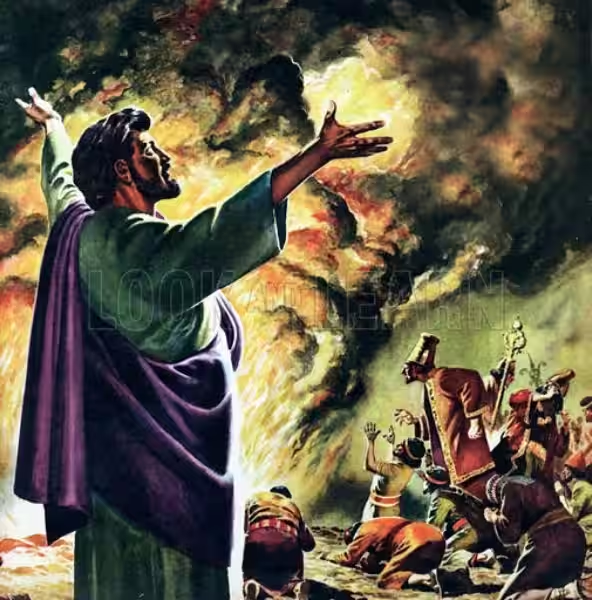
The phrase "bowing to Baal" evokes the biblical story of Elijah's confrontation with the prophets of Baal on Mount Carmel (1 Kings 18). While we don't face literal Baal worship today, the spirit of Baal – the prioritization of worldly desires and the appeasement of societal pressures over unwavering obedience to God – continues to tempt believers. It's a subtle, insidious compromise that can creep into our lives without us even realizing it.
This isn't about condemning anyone; rather, it's about self-reflection and ensuring our faith remains rooted in biblical truth. Recognizing the signs of Baal worship allows for repentance and a return to a stronger, more dedicated walk with God.
Ten Key Indicators of Spiritual Compromise
Bishop Joseph Mattera's insightful work highlights ten key indicators of spiritual compromise, often described as "bowing to Baal." Let's explore these indicators, understanding them as potential areas of compromise rather than absolute judgments.
1. Acceptance of Non-Biblical Marriage and Family Structures
This sign doesn't involve condemning individuals, but rather acknowledges the potential conflict between embracing certain societal norms and adhering to the Bible's teachings on marriage and family. The question is not about judgment but about understanding how societal pressures might influence our perspectives on these foundational institutions.
This area requires careful consideration of biblical teachings and a balanced approach that avoids both legalism and apathy.
2. Living According to Pop Culture Values
Are your daily choices and lifestyle aligned with biblical teachings? This sign highlights the potential disconnect between professed faith and actual behavior. It's about honest self-assessment: Does your life reflect a genuine transformation through Christ, or are you merely conforming to worldly trends?
The emphasis here is not on perfection, but on striving for consistency between faith and actions.
Do you hesitate to share your faith publicly due to fear of social repercussions? This is a classic sign of compromising your convictions for the sake of social acceptance. It indicates a prioritization of worldly approval over faithfulness to Christ.
This doesn't necessitate aggressive evangelism, but rather a willingness to live authentically as a follower of Christ, even when it might result in some discomfort.
4. Prioritizing Personal Happiness Over God's Will
This isn't about rejecting joy or contentment, but about recognizing the potential for prioritizing personal comfort above obedience to God's commands. A true faith doesn't always lead to immediate personal gratification.
It’s about discerning between genuine contentment in Christ and the pursuit of worldly happiness at the expense of His will.
5. Seeking Human Praise Over God's Approval
Are you primarily motivated by the desire for human affirmation rather than God's approval? This is a subtle but significant sign of spiritual compromise. Seeking validation from the world can lead to actions that contradict biblical principles.
The focus should be on pleasing God, even if it means facing disapproval from others.
6. Lack of a Biblical Worldview
This refers to the importance of basing your understanding of the world on Scripture, not solely on secular perspectives. A compromised worldview can lead to accepting secular values as superior to biblical truths.
This calls for diligent study and application of God’s Word in all aspects of life.
Do you uncritically accept prevailing opinions without personal discernment and biblical scrutiny? This underscores the danger of blindly following cultural influencers or political parties without evaluating their views through a biblical lens.
Independent thought, guided by scripture, is crucial to avoiding spiritual compromise.
8. Prioritizing Self-Actualization Over God's Kingdom
This emphasizes the danger of focusing solely on personal fulfillment rather than serving God's kingdom. It's a call to self-denial and prioritizing God's work above personal ambitions.
This involves a conscious decision to serve God's purposes above our own desires.
9. Blind Allegiance to a Political Party
This doesn't advocate for political apathy, but cautions against unquestioning loyalty to any political party when its agenda conflicts with biblical values.
It's about remaining steadfast in our faith, regardless of political affiliations.
10. Defining Identity Outside of God's Design
This emphasizes the importance of grounding your identity in your relationship with God, not in worldly factors like ethnicity, vocation, or sexual orientation.
True identity is found in Christ alone, not in external factors.
The Path to Restoration
Recognizing these signs is a crucial first step towards restoration. Remember, the biblical account of Elijah also reveals a remnant, 7000 who hadn’t bowed to Baal. This offers hope and encouragement – even amidst widespread compromise, there’s always a faithful few, and you can be among them. Through prayer, repentance, and a renewed commitment to God's Word, we can overcome the subtle temptations of Baal worship and live lives that truly reflect our faith.
Frequently Asked Questions: Recognizing Signs of Spiritual Compromise
This FAQ section addresses concerns regarding spiritual compromise, drawing parallels to the biblical concept of "bowing to Baal" as described in various theological interpretations. It's important to remember that these are interpretations and individual experiences may vary. Seeking guidance from trusted spiritual leaders is always recommended.
What is meant by "bowing to Baal" in a modern context?
In a modern context, "bowing to Baal" refers to prioritizing worldly values and cultural acceptance over biblical principles. It signifies a compromise of faith where outward adherence to Christianity masks inner conformity to societal pressures, mirroring the Israelites' behavior in the Old Testament. It's a subtle yet significant shift away from genuine devotion to God.
What are some signs that someone might be prioritizing worldly values over biblical principles?
This can manifest in various ways:
Acceptance of non-biblical marriage and family structures: Accepting or actively endorsing relationships that contradict traditional biblical understandings of marriage.
Living according to pop culture values: A disconnect between professed faith and daily actions, where lifestyle choices directly oppose biblical teachings.
Fear of public witness: A reluctance to openly profess one's faith due to fear of social repercussions.
Prioritizing personal happiness over God's will: Putting personal comfort and ease above obedience to God's commands, even when it means personal sacrifice.
Seeking human praise over God's approval: Seeking validation from the world rather than focusing on God's approval.
Lack of a biblical worldview: Basing one's understanding of the world on secular perspectives rather than Scripture.
Blind acceptance of groupthink: Uncritically accepting prevailing opinions from cultural influencers without personal discernment and biblical scrutiny.
Prioritizing self-actualization over God's kingdom: Focusing on personal fulfillment above serving God and His kingdom.
Blind allegiance to a political party: Unquestioningly supporting a political party, even when its agenda conflicts with biblical values.
Defining identity outside of God's design: Basing one's identity on factors like ethnicity, vocation, or sexual orientation rather than on one's relationship with God.
How can I tell if *I* am bowing to Baal?
Honest self-reflection is crucial. Pray for discernment and ask yourself: Do my actions consistently align with biblical teachings? Am I more concerned with what others think of my faith than with God's approval? Do I prioritize my comfort and desires over God's will? Do I compromise my beliefs to avoid conflict or maintain social acceptance? If you answer yes to any of these, it may indicate a need for repentance and realignment with God's Word.
What are the consequences of bowing to Baal?
While the specific consequences may vary, the potential outcomes include a weakened relationship with God, spiritual stagnation, a compromised conscience, and a diminished effectiveness in serving God. The Bible offers many examples of the negative consequences of disobedience and idolatry.
Is there hope for someone who has bowed to Baal?
Absolutely! The Bible consistently emphasizes God's grace, mercy, and forgiveness. Through repentance, confession, and a renewed commitment to God, individuals can experience restoration and healing. Remember the story of the 7,000 who did not bow to Baal—there is always a faithful remnant, and you can be a part of it.
What steps can I take to avoid bowing to Baal?
Regular Bible study and prayer: Strengthen your relationship with God through consistent engagement with His Word and prayer.
Spiritual accountability: Surround yourself with other believers who will support and challenge you.
Discernment: Develop the ability to critically evaluate information and ideas based on biblical principles.
Self-examination: Regularly examine your heart and actions to identify areas of compromise.
Seek guidance: Consult with trusted spiritual leaders or mentors for advice and support.
This FAQ is for informational purposes only and does not constitute spiritual counseling. Always seek guidance from trusted spiritual leaders for personal matters of faith.