Understanding Jeremiah chapter 9 requires careful consideration of its layered meanings and profound implications. This commentary delves into the core message, exploring the reasons behind Judah's impending destruction and the enduring relevance of Jeremiah's warnings for believers today. We'll examine various interpretations, focusing on the prophet's grief, God's judgment, and the call for genuine spiritual transformation.
Jeremiah 9 opens with a heart-wrenching lament. The prophet, overwhelmed by grief, cries out for sufficient tears to mourn the devastation about to befall Judah. This isn't merely sorrow over physical destruction; it's a deep despair stemming from the pervasive moral corruption he witnesses.
The nation is riddled with treachery and deceit. Trust is shattered; lies are commonplace. Jeremiah observes a people skilled in wickedness, diligently pursuing sin. This isn't simply individual wrongdoing; it's a systemic failure, a societal rot that permeates every level of society. The root of this corruption, Jeremiah reveals, is a profound rejection of God. They actively refuse knowledge of Him, choosing darkness over light. This rejection of God and His ways lies at the heart of Judah's impending doom. A naturally occurring consequence of rejecting spiritual truth is moral decay.
The Depth of Judah's Wickedness
The extent of Judah's wickedness is strikingly portrayed through vivid imagery. Jeremiah paints a picture of a society steeped in betrayal, where even close relationships are tainted by dishonesty. He doesn't merely describe individual acts of sin, but depicts a culture that embraces deceit as a norm. This systemic wickedness is the catalyst for God's judgment. This is not a sudden outburst of anger but a response to prolonged and widespread rejection of God's covenant.
God’s Judgment: The Refiner’s Fire and Impending Destruction
God's response to Judah's wickedness isn't arbitrary punishment; it's a necessary judgment. He uses the metaphor of a refiner's fire, illustrating that while the process of purification will be painful, it is ultimately for the good of those who will repent. However, the imagery also conveys the severity of the impending judgment. For those who stubbornly refuse repentance, the consequences will be catastrophic.
Jerusalem, the city of God, will be reduced to ruins. The land of Judah will become desolate. This isn't merely physical destruction; it's a symbolic representation of the destruction of their way of life, their society, and their spiritual state. The destruction is envisioned not only as physical annihilation but also as a spiritual wasteland, devoid of life and hope.
The Reasons for God's Wrath
The reasons for God's judgment are clearly articulated. Judah's rejection of God's law and their worship of Baal are highlighted as primary causes. They prioritize self-serving desires over divine guidance, choosing idolatry over allegiance to their covenant God. This rejection of God’s authority and the pursuit of their own will leads to a bitter consequence: exile and scattering among the nations. The imagery used—wormwood and gall—emphasizes the intensely bitter experience of their punishment. This is a punishment fitting the nature of their sin.
The Call for Lamentation and the Inevitability of Judgment
Jeremiah goes beyond simply proclaiming judgment; he calls for a public lament. He summons professional mourners to express the depth of the impending tragedy. This isn't merely a theatrical display; it's a desperate plea to awaken the apathetic populace to the reality of their situation. The scene he paints is horrifying: death pervades homes and streets, leaving bodies unburied, highlighting the utter devastation that will engulf the land.
The inevitability of judgment is further emphasized by the fact that no one, whether wise or powerful, can escape it. Wisdom, strength, and riches—all sources of supposed security—prove useless against the wrath of God. This universality of judgment underscores the seriousness of the situation. No one can claim immunity, and there's no human solution to the problem.
The Futility of Human Effort
Jeremiah powerfully emphasizes the futility of human attempts to justify themselves. Their reliance on worldly resources and outward religious practices is exposed as insufficient. Circumcision, a sign of the covenant, becomes meaningless without a corresponding inward transformation. The chapter underscores a crucial truth: true glory lies not in earthly possessions or outward rituals but in the knowledge and understanding of God. This knowledge implies a transformation of the heart, leading to a life of obedience and faithfulness. Only those who understand and embrace God's hesed (covenant love), judgment, and righteousness will find true salvation. This powerful message exposes the superficiality of mere outward religious observance, highlighting the need for genuine spiritual transformation.
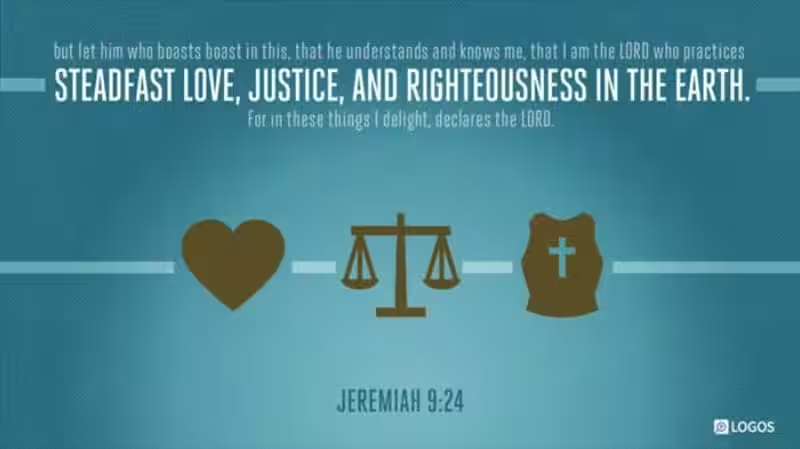
The concluding verses of Jeremiah 9 offer a powerful message of hope amidst despair. True glory, Jeremiah states, lies not in worldly wisdom, might, or riches, but in the knowledge of God. This knowledge isn't merely intellectual understanding; it’s a deep and transformative relationship with God. It is a recognition of his hesed, his justice, and his righteousness. This understanding necessitates a radical shift in worldview, prioritizing God's will above all else.
The Importance of Inward Transformation
Jeremiah’s commentary in chapter 9 culminates in a powerful call for genuine spiritual transformation. Outward religious practices, such as circumcision, are ineffective without a corresponding change of heart. The message is clear: true faith involves an inward transformation, a complete surrender to God’s authority and a commitment to live in accordance with His will. This inward circumcision, this spiritual rebirth, is the only path to genuine salvation. This crucial message underscores the importance of a personal relationship with God, moving beyond mere ritualistic observance to a life of genuine devotion and obedience. This is the only way to escape the doom predicted by Jeremiah and to find true and lasting glory. A Jeremiah 9 commentary must ultimately focus on this call for genuine faith and transformation.
Frequently Asked Questions: Jeremiah Chapter 9
What is the central theme of Jeremiah 9?
Jeremiah 9 centers on Judah's impending doom and the reasons behind it. The chapter details the pervasive corruption and moral decay within Judah's society, highlighting their rejection of God, idolatry, deceit, and treachery as the root causes of their impending judgment. The prophecy describes the catastrophic consequences of their actions, including exile, desolation, and widespread death. Ultimately, the chapter emphasizes that true spiritual transformation, marked by knowledge and acceptance of God's character, is paramount, rendering outward religious practices meaningless without inward change.
Why does Jeremiah lament so deeply in this chapter?
Jeremiah's profound grief stems from witnessing the widespread wickedness and moral decay within Judah. He laments not only the coming exile and destruction but also the pervasive deception, lying, and lack of trust among his people. His despair reflects the depth of their spiritual corruption and the inevitable consequences of their rejection of God.
What specific sins does Jeremiah condemn in Judah?
Jeremiah condemns various sins prevalent in Judah, including: widespread deceit and treachery (lying was commonplace), idolatry (worship of Baal), rejection of God's law, self-centeredness (pursuing their own desires over God's will), and a general lack of knowledge and understanding of God. The pervasive nature of these sins is a key factor in God's judgment.
God uses the metaphor of a refiner's fire to describe His judgment, highlighting the painful but ultimately purifying nature of the process for some. However, for others, the judgment will be utter destruction. The consequences will be catastrophic, leaving Jerusalem in ruins and the cities of Judah desolate. The imagery includes bitterness (wormwood and gall), symbolizing the harshness of their fate, and the stark reality of widespread death and unburied corpses.
What is the significance of the call for professional mourners in Jeremiah 9?
The call for professional mourners underscores the scale and certainty of the impending devastation. It's a desperate plea to awaken the apathetic populace to the reality of their impending doom and the consequences of their actions. The imagery of unburied corpses emphasizes the utter desolation and the lack of escape from God's judgment.
What is the true source of glory according to Jeremiah 9?
According to Jeremiah 9, true glory doesn't lie in worldly possessions like wisdom, might, or riches. Instead, it lies in the understanding and knowledge of God—specifically His covenant love (hesed), justice, and righteousness. Outward religious practices, such as circumcision, are meaningless without a corresponding inward transformation and genuine faith in God.
How does Jeremiah 9 apply to us today?
Jeremiah 9 serves as a timeless warning against moral decay, idolatry, and the rejection of God. The core message—that outward religious practices are insufficient without inward transformation and a genuine relationship with God—remains relevant today. It challenges us to examine our own hearts and motivations, ensuring that our faith is not merely superficial but deeply rooted in a true knowledge and acceptance of God's character. The chapter reminds us that God's judgment is real and that true spiritual understanding is crucial for a meaningful life.