Communion Devotional: A Journey Through Time and Faith
Communion Devotional: A Journey Through Time and Faith
This article delves into the profound meaning and personal impact of Holy Communion, exploring its significance as a powerful act of remembrance, fellowship, and hope. We'll examine how this sacred ritual connects us to the past, grounds us in the present, and anchors our hope in the future.
My first experience of Communion as a child was a pivotal moment in my faith journey. Witnessing the solemnity of the act, the shared bread and wine, and the quiet reverence of the congregation, sparked a deep longing within me. It was the beginning of my understanding of God's grace and ultimately led me to accept Jesus as my savior. This personal experience underscores the deeply emotional and transformative power of this simple yet profound ritual. The emotions evoked are often deeply personal and unique to each individual, yet the core message remains consistently powerful and deeply moving. It's a powerful reminder of the transformative nature of faith.
Many find that a communion devotional, dedicated to reflecting on the meaning of this sacrament, enhances their spiritual experience.
Understanding Communion Through Scripture: 1 Corinthians 11:26
The Apostle Paul's words in 1 Corinthians 11:26, "For as often as you eat this bread and drink this cup, you proclaim the Lord's death until he comes," provide a foundational understanding of Communion. This verse frames communion not simply as a ritual, but as a divinely ordained act that fosters unity within the Christian community. It's a powerful statement that emphasizes the ongoing nature of this act, tying the present moment to Christ's past sacrifice and future return. The "until he comes" aspect is particularly impactful, providing a sense of anticipation and hope for believers.
Paul's words are not a mere suggestion, but a direct command to remember and proclaim Christ's death. This points towards the significance of understanding the depth of the act and the weight of the words spoken.
We can understand Communion through three distinct, yet interconnected, lenses: the past, the present, and the future. Each dimension offers a unique perspective, enriching our understanding and deepening our connection with God. Consider these aspects as you engage in your own communion devotional.
Communion: A Remembrance of the Past
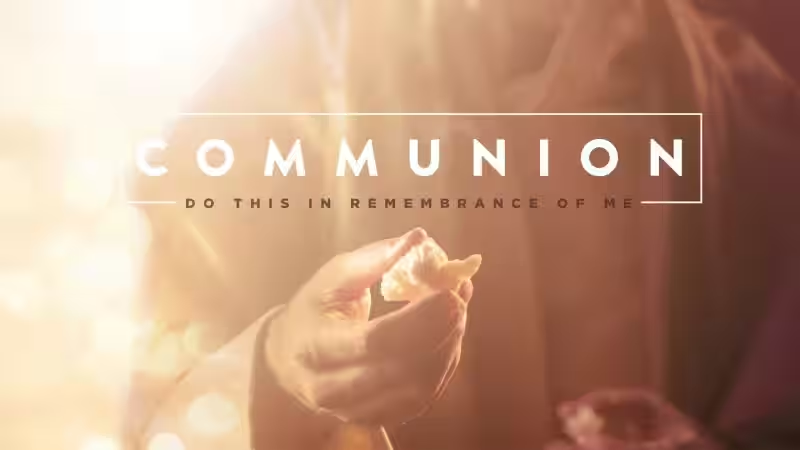
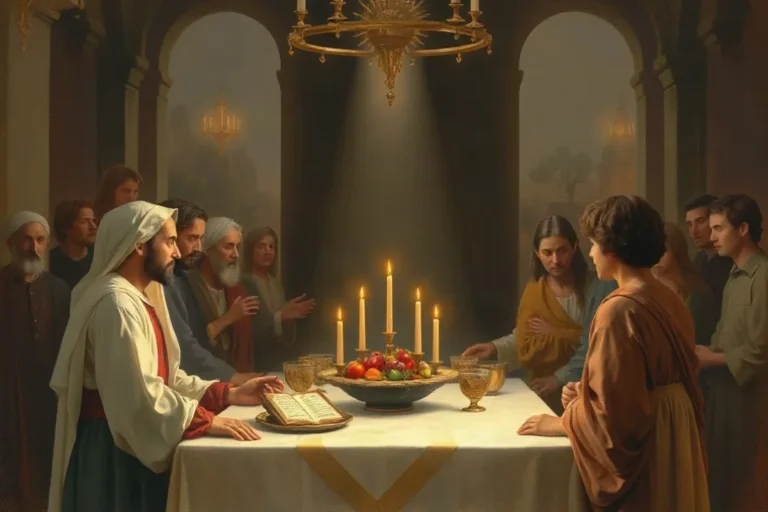
Looking to the past, Communion is a commemoration of Jesus' last supper with his disciples. The bread and wine symbolize His broken body and shed blood, representing the ultimate sacrifice He made for humanity's sins. The repeated instruction, "Do this in remembrance of me" (1 Corinthians 11:24-25), emphasizes the crucial importance of remembering Christ's atoning sacrifice. It's a powerful act of remembering and giving thanks for the incredible gift of salvation.
This remembrance isn't just a passive recall; it's an active engagement with the historical event. It's an opportunity to reflect on the depth of God's love and the magnitude of the sacrifice made for us.
Communion: Fellowship in the Present
The present dimension highlights Communion as a time of fellowship with a living Christ. Through faith in Jesus, we receive forgiveness of sins, allowing us to experience this profound communion with God not just in the afterlife, but in the present moment. Partaking in Communion also fosters unity and fellowship among fellow believers. This directly addresses the divisions within the Corinthian church that Paul was striving to resolve.
It's a tangible experience of being united with Christ and with other believers. It's a moment of shared faith, love, and support within the community. Many find that a communion devotional helps them focus on this aspect of the ritual.
Communion: Hope for the Future
Finally, the future aspect of Communion points towards Christ's second coming. The act of observing Communion continues "until he comes" (1 Corinthians 11:26), signifying a continued proclamation of Christ's death and an anticipation of his return. This future perspective encompasses the ultimate victory over Satan and the establishment of God's kingdom – a celebratory feast contrasting sharply with the current act of remembrance.
This understanding provides hope and encouragement, reminding us that our faith is not just about the past, but about a future filled with God's promises. It's a reminder that our present participation in this act is part of a much larger story of redemption.
The Brevity and Profound Significance of Communion
The brevity of receiving Communion belies its profound significance. The few seconds it takes to partake in the emblems mirrors the concise nature of significant oaths – a short timeframe for an enduring commitment. Just as a presidential oath signifies a long-term commitment to a nation's principles, Communion represents a renewal of our covenant with Christ.
This brevity shouldn't diminish its importance; instead, it should encourage a deeper focus on the internal commitment. It's a call to mindful participation, a conscious and intentional renewal of our dedication to Christ, transcending the physical act. A communion devotional can help cultivate this mindful approach.
Conclusion: A Powerful Act of Faith
Holy Communion is not merely a ritual; it's a powerful act of remembrance, fellowship, and hope. It connects us to the past sacrifice of Jesus, fosters present communion with God and fellow Christians, and provides hope for the future victory of Christ and the establishment of His kingdom. By reflecting on these three aspects during your communion devotional, you can deepen your understanding of this profound sacrament and experience the transformative power of God's love and faithfulness.
What is a Communion Devotional?
A Communion devotional is a reflection on the meaning and significance of Holy Communion (also known as the Lord's Supper). It explores the multifaceted spiritual impact of this Christian ritual, connecting it to personal faith journeys, scriptural understanding, and the ongoing relationship with God. This type of devotional often encourages mindful participation and deeper reflection on the act of Communion.
What are the key themes explored in a Communion devotional?
Common themes include the remembrance of Jesus' sacrifice (past), the present fellowship with Christ and fellow believers, and the anticipation of Christ's return (future). Devotionals often use scripture, particularly 1 Corinthians 11, to unpack these themes and their personal relevance for the believer. The brevity of the Communion act itself is often highlighted, emphasizing the need for intentional and meaningful participation rather than rote performance.
How does a Communion devotional relate to 1 Corinthians 11?
1 Corinthians 11:23-26 provides the scriptural foundation for understanding Holy Communion. The devotional will likely explore the passage's emphasis on remembering Christ's death, partaking in the bread and wine as symbols of his body and blood, and the importance of doing this "in remembrance of me" (1 Corinthians 11:24-25) until Christ's return (1 Corinthians 11:26). The passage's context within the Corinthian church, highlighting unity and fellowship, is also often considered.
What is the significance of the "past," "present," and "future" aspects of Communion in a devotional?
The "past" aspect focuses on commemorating Jesus' last supper and his atoning sacrifice for humanity's sins. The "present" aspect emphasizes the ongoing fellowship with Christ and other believers, experiencing forgiveness and unity. The "future" aspect looks toward Christ's second coming and the ultimate victory over evil, highlighting the act of Communion as a continuous proclamation of faith until that event.
Why is the brevity of the Communion act emphasized in a devotional?
The short duration of receiving Communion is often used to highlight the importance of mindful engagement and intentional participation. It emphasizes the internal commitment and spiritual renewal that should accompany the act, rather than simply focusing on the physical act itself. The brevity serves as a call for deeper reflection and a more profound connection with God.
How can I use a Communion devotional in my personal practice?
A Communion devotional can be used as a guide for personal reflection before, during, or after receiving Communion. It can help you prepare your heart and mind for a more meaningful experience, deepening your understanding of the ritual and strengthening your faith. You can use it for personal prayer and meditation, focusing on the key themes and applying them to your own life.