Short Devotions on the Lord's Supper: A Guide to Meaningful Remembrance
Short Devotions on the Lord's Supper: A Guide to Meaningful Remembrance
Many Christians want to deepen their understanding of the Lord's Supper, also known as Communion or the Eucharist. How can we make this sacred ritual more meaningful in our everyday lives? This article offers short devotions on the Lord's Supper, providing practical ways to engage with this central Christian practice. We'll explore its history, its meaning, and how to approach it with reverence and reflection.
Short Devotions on the Lord’s Supper: Past, Present, and Future
Understanding the Lord’s Supper: Past, Present, and Future
The Lord's Supper, also called Communion or the Eucharist, is far more than a symbolic ritual — it's a deeply moving experience that connects us to Jesus Christ across time. It represents a powerful reminder of God's immeasurable love and His sacrifice for humanity.
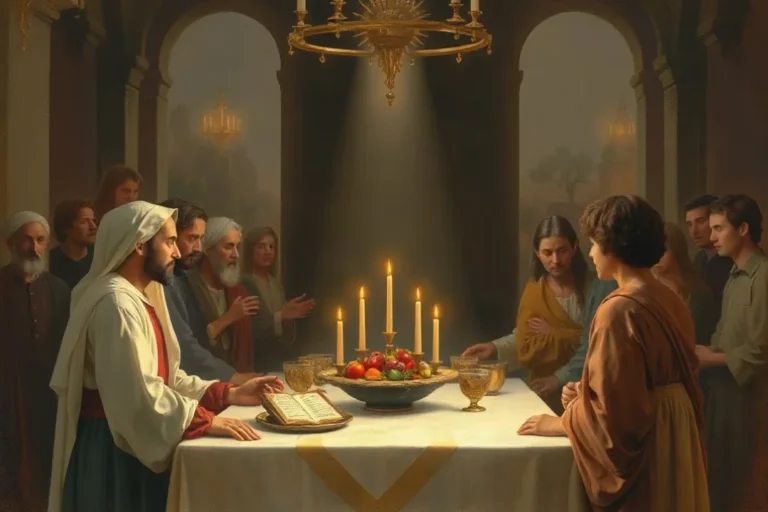
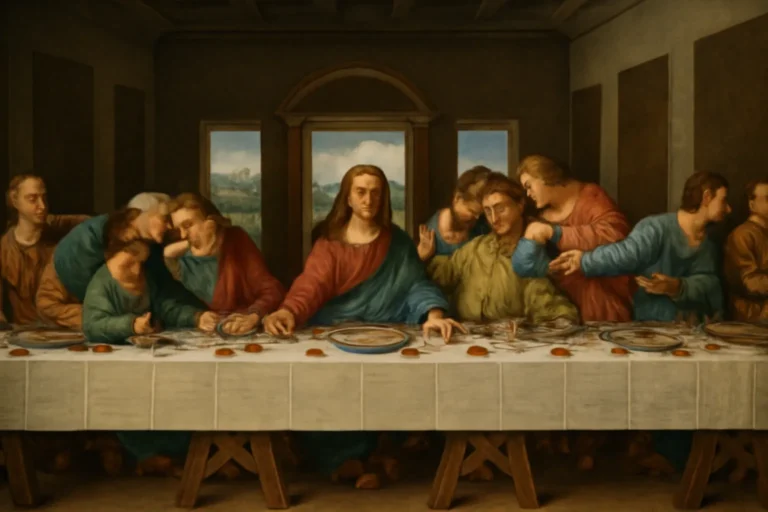
The Gospels narrate the institution of the Lord's Supper in careful detail. Jesus, at His last meal with His disciples, took bread, blessed it, broke it, and gave it to them, saying, "This is my body, which is given for you. Do this in remembrance of me." He then did the same with the cup of wine, saying, "This cup that is poured out for you is the new covenant in my blood" (Luke 22:19-20). This wasn't a casual meal — it was the establishment of a new covenant that replaced the Passover and pointed to the ultimate sacrifice.
This simple act, still reenacted in churches today, carries profound implications. The bread and wine (or grape juice) represent Jesus's broken body and shed blood for the forgiveness of our sins. They serve as a tangible reminder of His supreme sacrifice on the cross.
Short Devotions: Focusing on Remembrance
The phrase "Do this in remembrance of me" is central to understanding the Lord's Supper. It's not simply about recalling a historical event, but about actively participating in the sacrifice, love, and grace offered through Jesus Christ. Here are a few short devotions centered on remembrance:
Remembering the Sacrifice
Take a few minutes to reflect on the magnitude of Jesus's sacrifice. Imagine the pain, the betrayal, the injustice He endured. Contemplate the depth of love that led Him to willingly suffer for you. This is the heart of remembrance: feeling the weight of His love and acknowledging a debt we could never repay.
Consider the extraordinary gift of forgiveness Christ offered. It isn't a single, isolated event. The Lord's Supper constantly reminds us that we are forgiven, cleansed, and renewed through faith in Christ. Every time we participate, we reaffirm this truth in our lives.
Remembering the New Covenant
The Lord's Supper signifies the new covenant established between God and humanity. The old covenant, based on the law and animal sacrifices, was superseded by Christ's sacrifice: a once-for-all atonement for sin. This is cause for deep gratitude and joyful worship.
Reflect on the freedom and peace that come with this new covenant. We are no longer bound by the law, but empowered by grace. The Lord's Supper is a celebration of this newly won freedom and our ongoing relationship with God. Unlike the Old Testament sacrificial system, which required constant repetition, this new covenant offers us secure rest in Christ's finished work.
Short Devotions: Cultivating Present Communion
The Lord's Supper isn't merely a commemoration of the past — it's an experience of present communion with Christ. It's a moment to connect with God on a personal level, receiving His grace and strength for the challenges of daily life.
Communion with Christ
As you partake of the bread and wine, consciously focus your attention on your relationship with Jesus Christ. Acknowledge His presence in your life and invite Him to fill you with His love, peace, and guidance. This is a time of intimate communion — a sacred conversation with your Savior.
Remember that this isn't simply a formal religious act, but a deeply personal encounter with the divine. The Lord's Supper invites you into a moment of profound spiritual intimacy with God. It's in this space that we can bring our joys, concerns, doubts, and gratitude, knowing we're heard and loved unconditionally.
Communion with Fellow Believers
The Lord's Supper also fosters a sense of unity and fellowship among believers. Sharing this sacred meal together signifies our shared faith, our common journey, and our shared hope in Christ. It strengthens bonds and encourages mutual support among brothers and sisters in Christ.
Consider the importance of community and spiritual nourishment gained through fellowship with other believers. The Lord's Supper is a beautiful reminder that we are not alone in our faith. In a world that often isolates us, this practice reconnects us with God's family and reminds us that we're part of a living body that extends beyond our denominations and cultures.
Short Devotions: Anticipating the Future
The Lord's Supper also carries a powerful future dimension. The words "until he comes" (1 Corinthians 11:26) remind us of Christ's second coming and the hope of eternal life. It's a constant reminder of the ultimate victory over sin and death.
The Hope of Christ's Return
Reflect on the promise of Christ's return and the glorious kingdom He will establish. This hope should motivate us to live lives of faithfulness, love, and service. The Lord's Supper is a reminder of the future that awaits us — not as a distant threat, but as a promise that gives meaning and purpose to our present actions.
Let the hope of eternal life fill you with joy, peace, and perseverance. The Lord's Supper is a constant reminder that this life isn't all there is. This perspective changes how we approach our current trials: we know they aren't final, but temporary in light of eternity.
Strengthening Faith and Perseverance
The Lord's Supper challenges us to examine our lives and to live in a way worthy of the sacrifice made for us. It's a call to holiness, to service, and to love. Short, regular devotions on the Lord's Supper are essential for spiritual growth. This regular act of remembrance strengthens our faith and helps us persevere through life's difficulties.
Repeated participation in the Lord's Supper, these brief devotions, and reflection on Jesus's sacrifice are vital for a meaningful Christian life. Let this sacred ritual be a source of strength, hope, and transformation in your life.
Frequently Asked Questions: Devotions on the Lord’s Supper
What is the Lord's Supper, and why does it matter?
The Lord's Supper, also known as Communion or the Eucharist, is a Christian ritual commemorating Jesus's last meal with His disciples before His crucifixion. It's a foundational event that establishes a new covenant, replacing the Jewish Passover. Through the bread and wine (or grape juice), we remember Jesus's sacrifice — His broken body and shed blood for the forgiveness of sins. It's a powerful act of remembrance, communion with God and fellow believers, and anticipation of Christ's return. Its importance lies in how it constantly reaffirms our salvation and our ongoing relationship with Christ. For many, particularly in sacramental traditions, this practice is so central that it defines the very identity of Christian life.
What do the bread and wine symbolize in the Lord's Supper?
The bread symbolizes Jesus Christ's body, broken for us. The wine (or grape juice) symbolizes His blood, shed for the forgiveness of our sins. While different theological interpretations exist regarding the exact nature of this representation (ranging from a symbolic view to positions on transubstantiation), all agree that these elements help us remember the immeasurable sacrifice Jesus made on our behalf. They are visible signs of an invisible grace.
How often should the Lord's Supper be observed?
There's no single prescription in Scripture. Some churches practice weekly communion, while others observe it monthly or less frequently. The early church, as evidenced in Acts 20:7, broke bread on the first day of the week, suggesting a regular practice. What matters most isn't the frequency, but approaching it with reverence and self-examination, letting each observance be meaningful and transformative.
Denomination/Tradition
Typical Frequency
Theological Emphasis
Roman Catholic
Weekly (usually Sunday)
Transubstantiation (literal change of substance)
Traditional Protestant
Monthly or quarterly
Symbolic or spiritual presence
Pentecostal/Evangelical
Variable, often quarterly
Symbolic remembrance, spiritual communion
Orthodox
Frequent (ideally weekly)
Real, transformative presence
What should I do to prepare spiritually before taking the Lord's Supper?
Before participating, take time for prayer and self-reflection. Consider your relationship with God and with others. Examine your heart for any unforgiveness or areas needing repentance. Approach the Lord's Supper with humility and a spirit of gratitude for Christ's sacrifice. 1 Corinthians 11:28-29 specifically encourages self-examination before participating.
This examination isn't meant to be condemning, but an opportunity to align ourselves with God's grace. Ask yourself: are there broken relationships I need to heal? Are there sins I haven't confessed? Am I living consistently with my beliefs? Do I need to ask someone for forgiveness? These questions prepare us to receive communion with a clear conscience and an open heart.
How does the Lord's Supper connect to the Old Testament Passover?
The Lord's Supper replaces the Passover. At Passover, a lamb was sacrificed, and its blood protected the Israelites from death. Christ, the "Lamb of God," is the ultimate sacrifice, whose blood cleanses us from sin, superseding the need for repeated animal sacrifices. This transition signifies a new covenant based on faith in Christ's atoning work.
This connection isn't merely symbolic — it's typological. The ancient Israelites, without fully realizing it, took part in acts that foreshadowed the coming of the Messiah. When Jesus instituted the Lord's Supper, He revealed the fulfillment of everything the Passover represented. It was as if He were saying, "Everything you've been celebrating pointed to this — to my ultimate sacrifice." This continuity between the Testaments shows the coherence of God's plan of salvation throughout history.
What are the three key aspects of the Lord's Supper (past, present, future)?
The Lord's Supper encompasses three fundamental time dimensions:
Past — Remembrance of Jesus's sacrifice on the cross and the establishment of the New Covenant. We look back with gratitude, contemplating what Jesus did for us nearly two thousand years ago.
Present — Communion with Christ, forgiveness of sins, and fellowship with other believers. It's here, now, that we experience the living reality of His grace in our lives.
Future — Anticipation of Christ's return and the ultimate victory over sin and death. We keep our eyes on the hope to come, knowing that the best is still ahead.
These three dimensions don't exist in isolation — they're interwoven in every act of communion. As you remember the past and experience the present, your heart anticipates the future. This temporal integration makes the Lord's Supper a deeply cohesive spiritual act.
Is there a specific prayer or format I should use for a short devotion on the Lord's Supper?
There's no prescribed prayer. Focus your devotion on expressing gratitude for Christ's sacrifice, reflecting on its meaning for your life, and seeking to deepen your relationship with God. You can use Scripture (such as 1 Corinthians 11:23-26 or Matthew 26:26-29) as a starting point for personal reflection and prayer. Simplicity and sincerity are key.
Here are a few suggestions for structuring your devotion:
Opening invocation — Begin by inviting the Holy Spirit's presence into your reflection.
Scripture reading — Slowly read a passage related to the Lord's Supper, letting the words sink into your heart.
Personal reflection — Meditate on what God is saying to you through the text. How does it apply to your life right now?
Intercession — Bring your requests, confessions, and gratitude to God in your own words.
Commitment — Close by committing to live in a way consistent with what you've reflected on.
Remember that an authentic devotion doesn't require flowery words. A sincere heart that says "Jesus, thank You for Your sacrifice" is worth more than an elaborate speech. The Lord's Supper is an invitation to spiritual authenticity — to remove our masks and present ourselves as we are before the throne of grace.