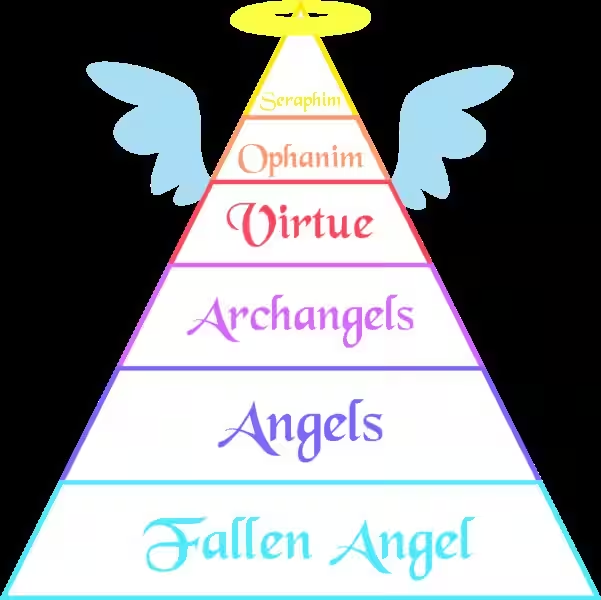
The question of whether God still loves Lucifer, the fallen angel often identified with Satan, is a profound and deeply debated topic within theology and religious studies. It's a question that probes the very nature of divine love, justice, and the consequences of free will. There's no simple yes or no answer readily available in scripture, and interpretations vary widely among believers and theologians.
The concept of God's love is not a monolithic entity. It's not simply a human emotion scaled up to a cosmic level. Instead, it's a complex expression encompassing various facets, often interpreted through different theological lenses. Consider the difference between God's agape – selfless, unconditional love – and other forms of love requiring reciprocity and obedience.
One might argue that God's agape extends to all of creation, including Lucifer, regardless of his choices. This view places emphasis on God's unchanging nature and his boundless capacity for mercy. Even in Lucifer's rebellion, this unwavering love remains a persistent offer of redemption, however unlikely its acceptance may seem.
The Fall of Lucifer and its Irreversible Consequences
The biblical narrative depicts Lucifer, once a magnificent angel, as having rebelled against God. This act of defiance, often described as pride and a lust for power, resulted in his expulsion from heaven and his transformation into Satan, the adversary. This fall is portrayed as a catastrophic event, irreversibly altering Lucifer's relationship with God.
The consequences of Lucifer's actions are significant. His role as the deceiver, actively working against God's will and leading legions of fallen angels (demons), is a central theme in many religious traditions. The Bible describes Satan’s actions as "stealing, killing, and destroying" (John 10:10a), painting a picture of unrelenting opposition to God's plan for creation. This active antagonism presents a challenge to the idea of a loving, close relationship between God and Lucifer.
The issue of God's love for Lucifer is inextricably linked to the concepts of divine justice and mercy. If God's love is unconditional, how can we reconcile that with the eternal punishment reserved for Lucifer and the fallen angels? This is where different theological perspectives diverge.
Some argue that God's justice necessitates consequences for actions that violate divine order and harm creation. While God's agape may persist, the consequences of Lucifer's rebellion irrevocably damaged their relationship. The focus shifts from unconditional acceptance to acknowledgement of the limitations imposed by Lucifer's persistent rejection of God.
Others emphasize that God's mercy extends even to those who seem furthest from Him. The story of Jonah and Nineveh, where God spared a city despite its wickedness, highlights the boundless nature of divine mercy towards humanity. This perspective might suggest that God's love for Lucifer, though profoundly strained, remains a possibility, however remote.
Does God Still Love Lucifer? Exploring Different Perspectives
The question, "Does God still love Lucifer?" does not have a simple, universally accepted answer. The answer depends heavily on one's theological framework and interpretation of scripture. The debate centers around the nature of divine love, the severity of Lucifer's rebellion, and the balance between God's mercy and justice.
Unconditional Love: God's love is unconditional and extends to all creation, including Lucifer, even in his fallen state. This love is not condoned approval of his actions but a persistent offer of redemption.
Conditional Love: God's love is conditional, requiring reciprocity and obedience. Lucifer's persistent rebellion has broken this bond, leaving a damaged, irreparable relationship.
Agape and Other Forms of Love: God's agape love encompasses all creation, but other forms of love, such as intimate fellowship, require a reciprocal relationship, which Lucifer has rejected. Therefore, God's agape remains while a close, loving relationship is impossible.
Justice and Consequences: God's justice demands consequences for Lucifer's actions. While a foundational love may exist, the severity of Lucifer's rebellion necessitates a separation and prevents any restoration.
Ultimately, there's no scriptural passage providing a definitive answer to whether God still loves Lucifer. The question serves as a catalyst for deeper theological reflection on the nature of God, the complexities of divine love, the consequences of free will, and the enduring tension between God's mercy and justice. The question itself, therefore, becomes a powerful tool for spiritual growth and understanding. The journey to grapple with this question is, in itself, a testament to the depth and mystery of faith.
Does God still love Lucifer?
This is a complex theological question with no single, universally accepted answer. Different religious traditions and theological perspectives offer varying interpretations. The core of the debate centers around understanding God's nature, the nature of love, and the implications of free will and divine justice.
What does the Bible say about God's love for Lucifer?
The Bible doesn't explicitly state whether God still loves Lucifer. However, it offers insights into God's nature and actions that help inform different interpretations. Genesis describes God creating all things, including angels, as "very good." Psalm 145:9 speaks of God's mercy extending to all He has made. However, Isaiah prophesies about a beautiful angel who sinned, becoming Satan, and leading a rebellion. This rebellion is characterized by actions against God and His creation, resulting in consequences described throughout scripture. These passages lead to varied interpretations of whether God's initial love persists, regardless of Lucifer's actions and subsequent state.
Can God's love be conditional?
The concept of God's love being conditional versus unconditional is central to the debate. Some believe God's love is an inherent, unchanging aspect of His being, extending to all creation, regardless of their actions. This perspective emphasizes God's persistent offer of redemption, even if it's rejected. Others emphasize the consequences of actions and God's justice. God's love might be unconditional in its essence, but the relationship with Lucifer is profoundly altered by Lucifer's rebellion and persistent opposition to God's will.
Does the distinction between different types of love matter?
Some theological discussions distinguish between different types of love, such as agape (selfless, unconditional love) and other forms involving reciprocity and obedience. God's agape might encompass all beings, but a close, loving relationship requires reciprocal love and obedience, which is absent in Lucifer's case. This allows for the possibility of God's enduring agape while acknowledging the impossibility of a close, reciprocal relationship.
Is there a definitive answer?
No. The question of whether God still loves Lucifer remains a matter of faith and theological interpretation. Scripture doesn't offer a single, definitive answer that satisfies all perspectives. The diverse interpretations highlight the complexities of divine love, the consequences of free will, and the enduring tension between God's mercy and justice. The question itself encourages deeper reflection on God's nature and the human condition.