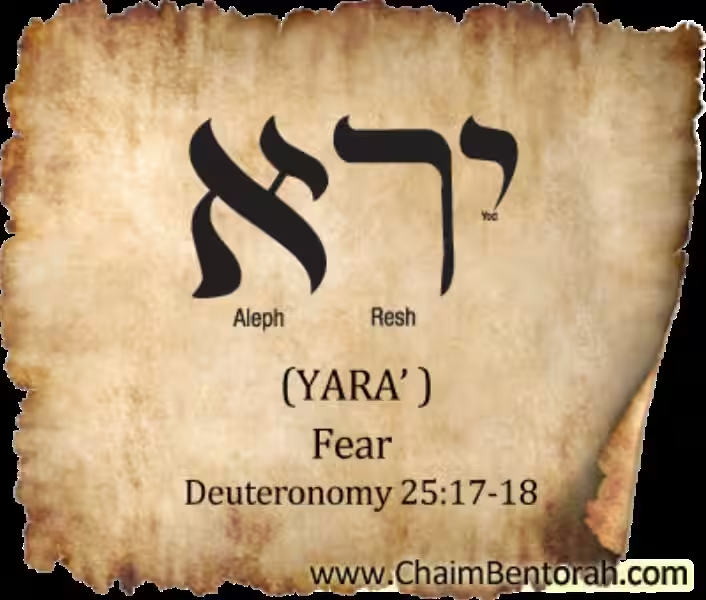
What does it truly mean to "fear God"? Many understand this phrase to imply a cowering dread, a fear of divine punishment. But a deeper look into the Hebrew language reveals a far richer and more nuanced understanding. This article explores the Hebrew word Yir'ah (יִרְאָה), often mistranslated as simply "fear," unveiling its true meaning and its profound implications for our relationship with the divine.
The English word "fear" encompasses a wide spectrum of emotions, from mild apprehension to paralyzing terror. Hebrew, however, offers greater precision. While Yir'ah can indeed refer to a sense of fear, its primary connotation is far more profound. It conveys a sense of awe, reverence, and respect in the face of something vast, powerful, and ultimately incomprehensible. It's the feeling you get standing before the immense grandeur of the ocean, dwarfed by its power and mystery. Think of the overwhelming wonder you might experience gazing up at the Eiffel Tower, its intricate details stretching towards the sky, or the breathtaking expanse of the Negev Desert, its ancient landscape telling silent stories of time and resilience. This feeling, this profound sense of humility and respect in the face of something beyond our comprehension—that is closer to the heart of Yir'ah.
This awe, however, is not a passive emotion. It is an active engagement with the source of that awe, a recognition of its power and majesty that leads to obedience and respect. It is not the fear of a tyrannical ruler, but the respect one has for a wise and powerful teacher, a leader whose authority is earned through wisdom and strength. This understanding is crucial for correctly interpreting many biblical passages.
Distinguishing Yir’ah from Other Hebrew Terms for Fear
It's important to distinguish Yir'ah from other Hebrew words that describe fear. Eimah (אֵימָה) denotes terror, a primal fear for one's physical safety. Pachaḍ (פַּחַד) implies a more general sense of being scared or apprehensive. Yir'ah, on the other hand, transcends this purely physical fear. It's a different quality of fear altogether; a fear that isn't rooted in self-preservation but arises from an encounter with something vastly greater than oneself.
This distinction is crucial when interpreting biblical passages. Consider Proverbs 1:7, often translated as "The fear of the Lord is the beginning of knowledge." This isn't a warning about divine punishment, but an invitation to cultivate a deep reverence for God's majesty and wisdom. Similarly, Abraham's obedience in Genesis 22:12 demonstrates Yir'ah, a respectful awe, not a terror-filled submission. Abraham's action stems from understanding God's power and authority, not from a fear of retribution.
Yir'ah in the New Testament
The concept of Yir'ah extends beyond the Old Testament. The New Testament speaks of "God-fearers" (Acts 13:16, 26), Gentiles who, while not fully converted to Judaism, held a profound respect and reverence for the God of Israel. Their "fear" wasn't a fearful submission; instead, it motivated obedience and fostered a deeper relationship with God. These individuals were drawn to God, not repelled by a sense of terror. Their Yir'ah was a catalyst for growth, a recognition of God's power and goodness that led them to seek a closer relationship with Him.
The Implications of a Nuanced Understanding
Understanding the true meaning of Yir'ah is essential for correctly interpreting key biblical passages and cultivating a healthy relationship with God. A simple translation of "fear" can lead to misinterpretations, portraying God as a harsh, punitive figure rather than the loving, all-powerful creator who deserves our respect and awe. By recognizing the multifaceted nature of Yir'ah, we can move beyond a simplistic understanding of divine judgment and embrace a more profound and fulfilling relationship with God, one characterized by admiration, obedience, and love.
Three Key Takeaways from Understanding Yir'ah
Yir'ah calls us to worship: The Psalms and the book of Job exemplify how Yir'ah fosters a deeper appreciation for God's creation and power, leading to profound worship. Job's experience demonstrates that facing the immensity of God can lead to healing and a renewed sense of reverence.
Yir'ah challenges us to be wise and obey: Acknowledging God's power and incomprehensibility should instill humility and obedience. The proverb "the fear of the Lord is the beginning of wisdom" highlights the connection between awe and wise living, urging a cautious approach to life, avoiding reckless actions. This includes loving God and neighbor as instructed by Jesus.
Yir'ah gives us future hope:Yir'ah, while involving a sense of awe and reverence, ultimately points towards the hope and promise of seeing God fully in eternity. This hope transcends the limitations of our current understanding and reminds us of the significance and purpose of our lives within God's grand design. It underscores the confidence and assurance that Christians can approach God's throne with boldness and faith, despite the awe-inspiring nature of the divine.
In conclusion, let us move beyond a simplistic understanding of the Hebrew meaning of fear. Let us embrace the richer, more nuanced understanding of Yir'ah, a profound awe and reverence that leads to a deeper, more meaningful relationship with God. This understanding is not just an academic exercise; it is a key to unlocking a more authentic and fulfilling spiritual life.
Frequently Asked Questions: The Hebrew Meaning of *Yir’ah*
What is the common English translation of the Hebrew word Yir'ah (יִרְאָה), and why is this translation problematic?
The common English translation of Yir'ah is "fear," particularly "fear of the Lord." However, this translation is problematic because it often evokes a sense of cowering terror or dread, which doesn't fully capture the nuanced meaning of the word in its biblical context. A more accurate rendering often includes "awe," "reverence," or "respect."
How does Yir'ah differ from other Hebrew words for fear?
Yir'ah is distinct from other Hebrew words expressing fear, such as Eimah (terror) and Pachaḍ (scared). These words describe a fear for one's physical safety, whereas Yir'ah encompasses a deeper, more profound emotional response. It's a feeling of awe and reverence in the face of something vast and powerful, often associated with a sense of wonder and respect.
What is the best way to understand Yir'ah in phrases like "the fear of the Lord"?
In phrases like "the fear of the Lord" (Proverbs 1:7), Yir'ah doesn't depict a cowering fear of divine punishment. Instead, it represents a profound respect and awe for God's majesty, sovereignty, wisdom, and goodness. It's akin to the respect one feels for a wise and powerful teacher, motivating obedience and fostering a deeper spiritual relationship.
How does the New Testament shed light on the meaning of Yir'ah?
The New Testament's use of "fear God" (Acts 13:16, 26) refers to "God-fearers"—Gentiles who, though not fully converted to Judaism, held deep respect and reverence for the God of Israel. Their "fear" wasn't a source of repulsion, but rather a motivation for obedience and a deeper connection with God. This supports the interpretation of Yir'ah as awe and reverence, not simply terror.
While Yir'ah can include an element of trembling or being overwhelmed by something immense, it's not primarily about terror or dread. The overwhelming feeling is connected to a profound sense of respect, awe, and wonder in the face of God's power and majesty. Think of the awe inspired by a breathtaking natural landscape – there's a sense of wonder and respect, not just fear.
How does understanding Yir'ah impact our interpretation of biblical passages?
A nuanced understanding of Yir'ah is crucial for correctly interpreting key biblical passages. Failing to grasp this distinction can lead to misinterpretations, fostering a potentially unhealthy relationship with God characterized by fear and anxiety rather than admiration, respect, and obedience.
What are the key takeaways from understanding the true meaning of Yir'ah?
Understanding Yir'ah reveals:
A call to worship:Yir'ah fosters a deeper appreciation for God's creation and power, resulting in profound worship.
A challenge to wisdom and obedience: Acknowledging God's power should instill humility and obedience, guiding us towards wise living.
Future hope:Yir'ah, while including a sense of awe, ultimately points towards the hope of seeing God fully in eternity.
How does the concept of Yir'ah relate to contemporary life and challenges?
The concept of Yir'ah, even in its contemporary application, can be understood as a response to facing immense and overwhelming challenges, such as injustice, violence, or personal crises. It can inspire action and community engagement, transforming fear into a catalyst for positive change. It's about confronting these challenges not with paralyzed fear, but with a respectful awe of the task and a commitment to doing what is right.