Are you curious about the seven things God hates, as described in Proverbs? While the exact number varies slightly depending on the translation, the core message remains consistent across different versions of the Bible. This article explores the seven actions that Proverbs identifies as abhorrent to God, providing a deeper understanding of their implications and how we can avoid them. We'll examine these actions within their contextual setting, moving beyond a simple list to grasp their interconnectedness and the ethical principles they represent.
Proverbs 6:16-19 lists seven things that God vehemently dislikes, using words like "hates," "detests," and "abomination." These aren't just minor infractions; they represent a profound rejection of God's character and moral order. The gravity of these actions lies in their impact on both individuals and the community.
1. Haughty Eyes (Pride)
Pride, represented by "haughty eyes," is more than just self-confidence; it's an arrogant, self-important attitude that disregards others and disrespects God's authority. It's the belief in one's own superiority, a disdain for humility, and a disregard for the needs and feelings of those around us. This can manifest in various ways, from boastfulness and arrogance to subtle forms of condescension and judgment.
It's important to distinguish between healthy self-esteem and pride. Self-esteem is recognizing your worth and capabilities, while pride is an inflated sense of self-importance that leads to the disregard of others. Pride blinds us to our own flaws and prevents us from growing and learning.
2. A Lying Tongue (Deceit)
The "lying tongue" encompasses all forms of falsehood and deception, from outright lies to manipulative speech intended to mislead or harm. Dishonesty erodes trust, damages relationships, and ultimately creates a climate of fear and suspicion. This includes not only spoken words but also actions intended to deceive, such as withholding information or presenting a false image of oneself.
Truthfulness is a cornerstone of any healthy relationship, whether personal or professional. A commitment to honesty builds trust and fosters open communication, allowing for genuine connection and understanding.
The taking of innocent human life, "hands that shed innocent blood," is a grave sin. It represents the ultimate violation of God's creation and the sanctity of life. This extends beyond physical murder to encompass actions that indirectly lead to someone's death, such as negligence or contributing to harmful situations.
The value of human life is paramount. Protecting and respecting the lives of others is a moral imperative. This principle extends to all aspects of life, from avoiding violence to promoting policies and actions that protect human dignity.
4. A Heart That Devises Wicked Schemes (Malice)
"A heart that devises wicked schemes" refers to the inner workings of a malicious mind, planning and plotting evil against others. The focus here isn't just on the action itself, but on the intention and planning behind it, highlighting the premeditated nature of the wickedness.
This emphasizes the importance of self-reflection and cultivating a compassionate heart. We should actively work to overcome negative thoughts and impulses, replacing them with empathy and a desire to do good.
5. Feet That Are Swift to Run to Evil (Reckless Wrongdoing)
"Feet that are swift to run to evil" highlights the active pursuit of wickedness. This isn't simply succumbing to temptation but actively seeking it out and hastening towards it. It points to a lack of self-control and a disregard for the potential consequences of one's actions.
This emphasizes the importance of self-discipline and moral restraint. We should cultivate habits that help us resist temptation and make choices aligned with our values.
6. A False Witness Who Breathes Out Lies (False Testimony)
"A false witness who breathes out lies" points to the deliberate perversion of justice through false accusations and misleading testimony. This is a grave offense, damaging someone's reputation and potentially leading to unjust consequences.
Honesty and integrity are crucial in upholding justice and fairness. We must always strive to be truthful and avoid actions that could harm others or undermine the legal system.
7. One Who Sows Discord Among Brothers (Division)
"One who sows discord among brothers" refers to creating division and conflict within relationships, particularly familial bonds. Disrupting unity and harmony is seen as an attack on the community and God's design for relationships. This encompasses actions that spread gossip, incite conflict, or undermine relationships for personal gain.
Building and maintaining strong relationships requires effort, empathy, and a commitment to resolving conflicts peacefully. We must strive to foster unity and harmony within our communities.
Proverbs and the Seven Deadly Sins: A Comparison
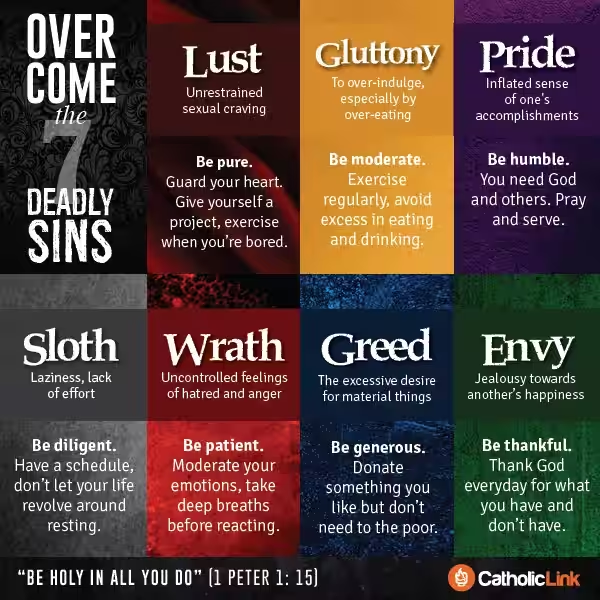
It's crucial to distinguish the "seven things God hates" in Proverbs from the Catholic "Seven Deadly Sins." While both address moral failings, their focus differs. Proverbs emphasizes practical actions that harm others and disrupt community, while the Seven Deadly Sins tend to focus on internal vices and their consequences. Proverbs offers a stern paternal warning against specific, observable behaviors, highlighting personal responsibility and the importance of a just and harmonious community.
By understanding these seven things God hates, we can gain valuable insight into living a life that honors God's values and contributes to a more just and compassionate world. It’s a call to self-reflection, accountability, and a commitment to building positive relationships based on truth, compassion, and mutual respect.
Frequently Asked Questions: Proverbs and the Seven Things God Hates
What are the "seven things God hates" mentioned in Proverbs?
Proverbs 6:16-19 lists seven things that God vehemently dislikes. While the exact wording varies slightly among translations, the core message remains consistent: God profoundly opposes these behaviors because they reject His character and moral order. These actions commonly include: haughty eyes (pride), a lying tongue (deceit), hands that shed innocent blood (murder), a heart that devises wicked schemes (malice), feet that are swift to run to evil (reckless wrongdoing), a false witness who breathes out lies (false testimony), and one who sows discord among brothers (division). Some translations may list six instead of seven, but the core message of God's abhorrence for these actions remains strong. The variation in number might simply emphasize the abundance of actions deemed abhorrent rather than a strict numerical limitation.
How do the "seven things God hates" differ from the seven deadly sins?
The "seven things God hates" in Proverbs differ significantly from the Catholic "seven deadly sins." Proverbs focuses on observable actions that harm others and disrupt community harmony; sins that are directly visible. The emphasis is on practical and relational sins, such as lying, violence, and sowing discord. The Catholic seven deadly sins (pride, envy, wrath, sloth, avarice, gluttony, and lust) are more focused on internal attitudes and dispositions that can lead to sinful actions. While there is overlap concerning pride, the Proverbs passage is more action-oriented and less concerned with inner motivations or spiritual states.
What is the significance of the number seven?
The significance of the number seven isn't definitively explained in scripture. The number seven frequently appears in the Bible with symbolic meaning (e.g., seven days of creation). In this case, the repetition of "six" and "seven" in different translations suggests an emphasis on the abundance of God's abhorrence for these actions rather than a strict numerical significance. The point is the severity of these actions, not necessarily the exact quantity.
What is the overall message of Proverbs 6 regarding these actions?
The overarching message of Proverbs 6 is a strong warning against behaviors that harm oneself and others, disrupting God's intended order. The passage urges personal responsibility, highlighting the consequences of actions rooted in pride, deceit, and a disregard for God's authority and the well-being of others. It calls for a life characterized by humility, truthfulness, justice, compassion, and peace. It isn't merely a list of sins, but a call to righteous living that fosters a just and harmonious community.
Does avoiding these seven things guarantee salvation?
No. Avoiding these seven actions is a crucial aspect of righteous living, but it doesn't guarantee salvation. Salvation is a gift from God received through faith in Jesus Christ. These actions represent a rejection of God's character and moral order, and while avoiding them is essential for a life pleasing to God, it is faith in Jesus Christ that is the means to salvation.
Are there other things God hates besides these seven?
Absolutely. The list in Proverbs 6:16-19 is not exhaustive. It highlights particularly egregious sins that disrupt societal harmony and reveal a flawed character. The Bible contains numerous passages condemning various forms of wickedness. The focus in Proverbs 6 is on actions that directly harm others and undermine community life.