Sermon Isaiah 40:31: Finding Strength and Setting Priorities in Life's Challenges
Sermon Isaiah 40:31: Finding Strength and Setting Priorities in Life's Challenges
Have you ever felt overwhelmed by life's challenges, so exhausted that you thought you were going to give up? Many sermons based on Isaiah 40:31 offer a powerful antidote to this feeling, providing a path toward renewed strength and the ability to establish priorities effectively. This article explores the common themes and applications found in sermons centered on this transformative verse.
The Central Message: Empowerment Through Divine Strength
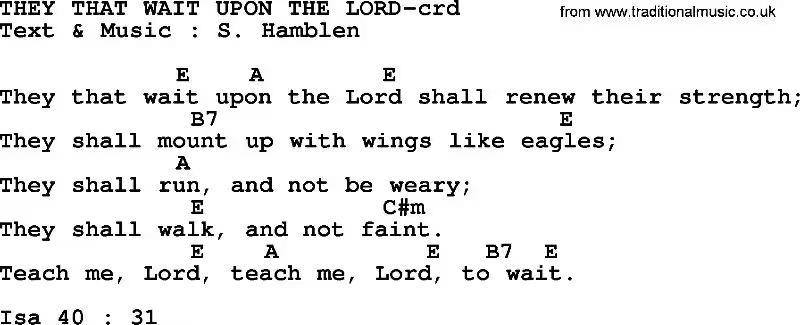
Sermons that focus on Isaiah 40:31 frequently center on the empowering message of God's unwavering strength and our ability to access it. The verse itself—"But those who wait on the Lord shall renew their strength; they shall mount up with wings like eagles; they shall run and not be weary; they shall walk and not faint"—paints a vivid picture of resilience and unwavering endurance.
This imagery is not merely metaphorical; it is a tangible promise of divine intervention in our lives. Many preachers use this passage to illustrate how God equips us to overcome obstacles, not through our own strength, but through deep dependence on Him. The promised strength is not merely physical; it encompasses emotional, mental, and spiritual endurance. It is the kind of strength that enables us to face adversity with courage and hope, even when everything seems to be working against us.
The transformative power of Scripture plays a significant role in these sermons. Congregations are often encouraged to actively engage with the Word of God, viewing it not as merely a collection of stories, but as a living and dynamic source of empowerment. A common affirmation, repeated throughout the sermon, might be: "This is my Bible. I am what it says I am. I can do what it says I can do. I will learn to be what it says I can be." This constant reinforcement helps build self-confidence and strengthens the connection between God's promises and our everyday lives.
Practical Application: From Scripture to Daily Life
The practical application of Isaiah 40:31 is a cornerstone of most sermons on this subject. It is not enough simply to hear the promise; we must learn to integrate it into our daily lives. This often involves concrete and accessible steps:
Consistent Bible Study: Regular engagement with Scripture provides a continuous source of strength and guidance during times of uncertainty.
Prayer and Meditation: Communicating with God through prayer allows us to connect with His power and receive His wisdom when making important decisions.
Joining a Bible Study Group: Fellowship with other believers provides encouragement and mutual support during difficult times.
Journaling and Reflection: Recording our thoughts and experiences helps us process challenges and recognize God's hand in our lives.
Many sermons emphasize that setting priorities is not about superhuman self-discipline, but about discerning God's will and aligning our actions with His plan. This process of alignment is not passive; it is an active pursuit that requires faith, prayer, and consistent spiritual practice. God's guidance, revealed through prayer and the study of Scripture, provides the clarity needed to prioritize effectively and face life with purpose.
Overcoming Discouragement and Despair: Waiting on the Lord
Another common theme explored in sermons based on Isaiah 40:31 is the concept of "waiting on the Lord." This is not passive resignation; rather, it is an active and hopeful expectation of God's intervention. It involves drawing closer to Him through prayer, meditation on His Word, and reflection on His past faithfulness.
This "waiting" is often illustrated using the imagery of a "threefold cord" from Ecclesiastes 4:12: God, our faith, and our actions intertwining to create an unbreakable strength. Numerous Scriptures emphasizing God's omnipotence and unwavering support (Romans 8:31; 1 John 4:4; Psalm 147:4–5; Psalm 27:10) are frequently cited to reinforce this theme.
The Fourfold Promise of Isaiah 40:31
Many sermons break Isaiah 40:31 down into four distinct promises:
Renewed Strength: God replaces our weakness with His limitless strength. The example of David facing "the valley of the shadow of death" (Psalm 23:4) often illustrates trust in God even in the midst of difficulty and adversity.
The Eagle's Perspective: Drawing closer to God provides a broader perspective, allowing us to rise above immediate challenges and see the bigger picture.
The Runner's Endurance: God empowers us to persevere, providing the strength to run the Christian race without becoming weary. This speaks to overcoming discouragement that leads to inaction and abandonment.
The Steady Walk: God provides strength for daily challenges, preventing spiritual exhaustion and despair in our everyday walk.
These four promises are not separate entities but interconnected aspects of God's provision. They are presented as a holistic package of strength, resilience, and peace, demonstrating the transformative power of trusting in God's unwavering support and His commitment to our well-being.
Understanding the historical context of Isaiah 40:31 enriches its meaning. The Israelites were in Babylonian exile, exhausted and desperate. They felt weak and weary, both physically and spiritually. Isaiah's message counters their despair by emphasizing God's endless strength and unwavering care. It contrasts God's infinite power with their exhaustion, highlighting that God's greatness does not diminish His concern for His people.
The passage emphasizes that the solution is not personal effort, but "waiting on the Lord"—an active and hopeful expectation. It is an acknowledgment of our weakness and dependence on God's strength alone. This "waiting" finds its ultimate fulfillment in Jesus Christ, who offers rest and empowerment through His resurrection and the Holy Spirit. Therefore, a sermon on Isaiah 40:31 emphasizes faith and trust in God's provision of strength, especially during times of deep exhaustion and despair. The phrase "indestructible, never..." that is often emphasized points to the unchanging nature of God and the enduring strength He offers His followers. This reinforces the sermon's message of lasting strength and unwavering hope.
Frequently Asked Questions About the Isaiah 40:31 Sermon
What is the main message of a sermon based on Isaiah 40:31?
The central message of the sermon focuses on empowerment and prioritization in the face of life's challenges. It emphasizes the transformative power of Scripture by encouraging strength and resilience. The sermon encourages active engagement with the Bible, believing that understanding God's Word enables individuals to define their identity and capabilities according to God's plan. This leads to self-confidence and a commitment to spiritual growth, enabling believers to overcome obstacles and maintain spiritual strength.
How does the sermon use the verse Isaiah 40:31?
Isaiah 40:31—"But those who wait on the Lord shall renew their strength; they shall mount up with wings like eagles; they shall run and not be weary; they shall walk and not faint"—serves as the foundational text. The sermon unfolds the imagery of renewed strength, soaring like eagles, running without becoming weary, and walking without fainting. These images are used to illustrate the practical application of biblical principles to daily life, emphasizing the spiritual strength available to those who actively engage with God's Word and trust in His plan.
What is the significance of the repeated affirmation: "This is my Bible. I am what it says I am. I can do what it says I can do. I will learn to be what it says I can be"?
This repeated affirmation serves as a powerful tool for building self-confidence and committing to spiritual growth. By actively declaring their identity and abilities as defined by God's Word, individuals are empowered to overcome self-doubt and embrace the potential God has placed within them. It is a practical application of the sermon's message, reinforcing the transformative power of faith and the importance of actively engaging with Scripture in one's personal life.
What practical steps does the sermon suggest for spiritual growth and overcoming challenges?
The sermon likely advocates consistent Bible study and prayer as key methods for achieving spiritual growth and gaining strength to face adversity. This could include suggestions for daily devotional time, studying specific passages, joining a Bible study group, or engaging in other practices that promote a deeper understanding and application of biblical principles. It also connects spiritual maturity with the ability to prioritize life's challenges effectively and maintain a strong sense of purpose guided by faith.
How does the sermon address feelings of discouragement and exhaustion?
The sermon directly addresses the challenges of discouragement and exhaustion in the Christian life. It counters the tendency to withdraw in the face of difficulties, emphasizing instead the importance of "actively waiting on the Lord." This "waiting" is not passive but involves drawing closer to God through prayer, meditation on His Word, and reflection on His past blessings. The sermon uses biblical imagery and examples to illustrate the strength that comes from trusting in God's power and promises.
What are the key promises highlighted in Isaiah 40:31 according to the sermon?
The sermon likely highlights four key promises found in Isaiah 40:31 for those who wait on the Lord: renewed strength, the perspective of an eagle, the endurance of a runner, and the ability to walk without growing weary. Each promise is explored in detail to demonstrate how God provides the strength, perspective, and perseverance needed to navigate life's difficulties. The sermon connects these promises to practical aspects of Christian life, showing how they apply to overcoming specific challenges and maintaining spiritual vitality.
How does the sermon connect Isaiah 40:31 with the broader context of faith and trust in God?
The sermon connects Isaiah 40:31 with the broader themes of faith and trust in God's unwavering power and love. It emphasizes that the strength promised in the verse is not self-generated but comes from dependence on God's grace and provision. The sermon likely uses God's unchanging nature to reinforce the message of lasting strength and unwavering hope, highlighting the enduring support available to believers through Christ. The ultimate fulfillment of these promises is found in Jesus Christ, whose life, death, and resurrection offer rest and empowerment to those who trust in Him.