The parable of the wheat and the tares, found in Matthew 13:24-30, is a rich and complex allegory frequently used to illustrate the complexities of faith and the nature of God's judgment. But what exactly does this seemingly simple story about a field mean? This article will delve into the meaning of the wheat and tares illustration, explore its relevance to our lives today, and consider how visual aids can enhance our understanding of this pivotal parable.
The Parable: Wheat, Tares, and the Kingdom of Heaven
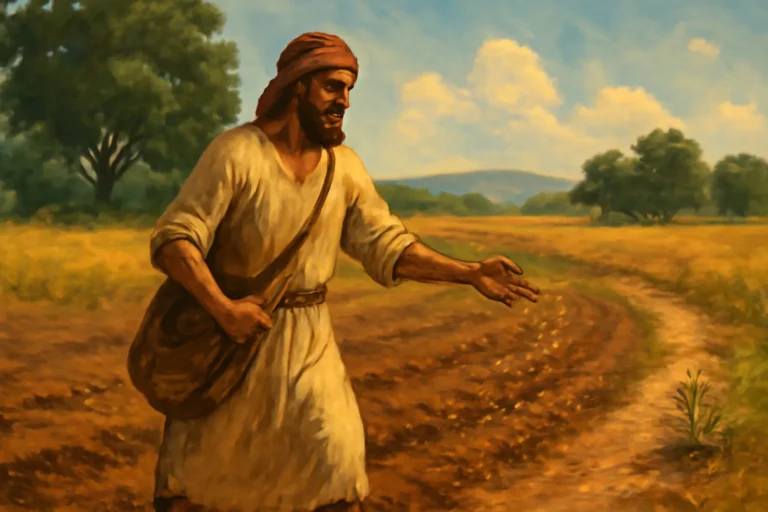
The parable begins with a landowner sowing good seed – wheat – in his field. This wheat symbolizes righteous believers, those who genuinely follow Christ. However, while the landowner sleeps, an enemy sows tares among the wheat. Tares, a type of weed resembling wheat in its early stages, represent wicked individuals or false believers.
This subtle act of sabotage perfectly illustrates the insidious nature of evil. It's not a blatant attack, but a quiet, deceptive infiltration. This mirrors the way falsehood often masks itself as truth, making discernment difficult. The similarity between wheat and tares in their early growth stages emphasizes this difficulty; distinguishing between genuine faith and superficial piety is not always straightforward.
The servants, upon discovering the tares, immediately suggest uprooting them. This demonstrates a common human impulse – a desire for swift justice and immediate resolution. But the landowner wisely cautions against this, explaining that removing the tares would risk damaging the wheat in the process.
This crucial point highlights the potential for collateral damage when we attempt to judge and separate good from evil prematurely. It emphasizes the need for patience, wisdom, and a reliance on God's judgment, rather than our own hasty conclusions. The parable stresses that the discernment of true faith is a complex process, not a simple matter of outward appearances.
The Harvest and God’s Judgment
The landowner's instruction is to let both the wheat and the tares grow together until the harvest. This “harvest” represents the end times or the final judgment, when God will perfectly separate the righteous from the wicked. It's a time of ultimate reckoning, where true faith will be revealed, and the deceptive nature of evil will be fully exposed.
The period of growth together underscores God's patience and longsuffering. He allows both good and evil to coexist, to mature, before the final separation. This isn't to say that God condones evil; rather, it emphasizes His ultimate authority and perfect timing. He allows sufficient time for both the wheat and the tares to fully develop, ensuring a just and accurate separation at the harvest.
The parable's conclusion, therefore, is not a justification for inaction, but a call to trust in God's perfect justice. Our role is not to judge and condemn, but to nurture the good within ourselves and in the world around us, leaving the final judgment to God. It's a powerful message of patience, trust, and the ultimate triumph of good over evil.
The Importance of Patience and Discernment
The wheat and tares illustration isn’t just a historical story; it holds crucial lessons for contemporary Christians and indeed, anyone grappling with the complexities of good and evil. The parable serves as a caution against:
Premature judgment: We should avoid hasty conclusions about others' faith or character.
Self-righteousness: Recognizing our own imperfections should make us humble and less prone to judging others.
Intolerance: The parable emphasizes the importance of patience and understanding, even when dealing with those who hold different beliefs.
Cultivating righteousness: We should strive to live lives that reflect genuine faith and love for others.
Trusting in God's judgment: We must leave the ultimate separation of good and evil to God's perfect timing and justice.
Discernment through prayer and wisdom: We should seek guidance through prayer and study to help us navigate the complexities of faith and life.
Enhancing Understanding with Visual Aids: The Wheat and Tares Illustration in Practice
Many resources, such as websites and educational materials, utilize visual aids to help explain the wheat and tares illustration. These visual representations are particularly helpful for conveying the subtle differences between wheat and tares, emphasizing the difficulty of early identification. A simple image depicting a field with both wheat and tares growing side-by-side instantly communicates the central metaphor of the parable. These visualizations make the abstract concept more accessible and memorable.
The use of images, coupled with concise descriptions, helps to visualize the different stages of the parable: the planting, the growth, and finally, the harvest. This structured approach allows for a deeper engagement with the narrative, facilitating individual interpretation and reflection. This visual approach is especially beneficial for those who are visual learners or for teaching purposes, making the story more engaging and easily understood. Such visual aids can transform a potentially abstract theological concept into a tangible and relatable experience. The wheat and tares illustration, therefore, becomes more than just a story; it becomes a visually compelling narrative that resonates with viewers on a deeper, more intuitive level.
Frequently Asked Questions: The Parable of the Wheat and the Tares
What is the Parable of the Wheat and the Tares about?
The Parable of the Wheat and the Tares (Matthew 13:24-30) uses the imagery of a field containing both wheat (representing righteous believers) and tares (representing wicked individuals) to illustrate the kingdom of heaven. It highlights the interwoven nature of good and evil in the world and the ultimate separation that will occur at the end times (the harvest).
Why does the landowner not immediately remove the tares?
The landowner's refusal to uproot the tares immediately shows God's patience and wisdom. Attempting to separate the wheat from the tares prematurely risks damaging the good along with the bad. It emphasizes that discerning true faith from false faith is a complex process, not always immediately apparent, and requires careful judgment. God's timing is perfect; He will separate the righteous from the wicked at the appropriate time.
What does the "harvest" symbolize in the parable?
The harvest symbolizes the final judgment or the end times, when God will perfectly and completely separate the righteous (wheat) from the wicked (tares). It signifies a time of complete and perfect justice.
What is the significance of the servants suggesting the removal of the tares?
The servants' suggestion reflects a common human tendency towards hasty judgment. They wanted to immediately remove what appeared to be evil. This contrasts with the landowner's approach, highlighting the importance of patience and trusting in God's plan rather than resorting to premature, potentially harmful actions.
What is our role according to the parable?
Our role, according to the parable, is to focus on nurturing the good (the wheat) – living righteous lives – and leave the judgment (the separation of the wheat and tares) to God. The parable cautions against premature judgment and emphasizes trusting in God's perfect timing and justice.
What does the parable teach us about judgment?
The parable teaches us against hasty and potentially harmful judgment. It emphasizes that discerning between true and false faith is not always easy and that focusing on removing apparent evil might inadvertently harm innocent believers. Ultimately, the parable teaches that the final judgment belongs to God alone.
What is the overall message of the parable?
The overall message of the parable is one of patience, trust in God's judgment, and the ultimate triumph of good. It emphasizes that while good and evil coexist for a time, God will ultimately separate them in His perfect timing and manner. Our focus should be on cultivating righteousness, not on prematurely judging others.