Parable of the Sower Sermon: Understanding the Different Soils of the Heart
Parable of the Sower Sermon: Understanding the Different Soils of the Heart
What does it truly mean to receive God's word? Is a simple affirmation of belief enough, or is something more profound required for genuine spiritual growth? This question lies at the heart of the Parable of the Sower, a story rich with meaning and frequently explored in sermons. Let's delve into the interpretations offered by various preachers and authors, exploring how they illuminate the parable's layered meaning.
R.C. Sproul’s Interpretation: Revelation and Concealment
R.C. Sproul's sermon on Luke's Parable of the Sower emphasizes the dual nature of the parable: it both reveals and conceals. He masterfully explains how this agricultural metaphor is not simply a farming lesson but a profound exploration of spiritual receptivity. The focus isn't just on the technique of sowing but on the varied responses to the seed—the Word of God.
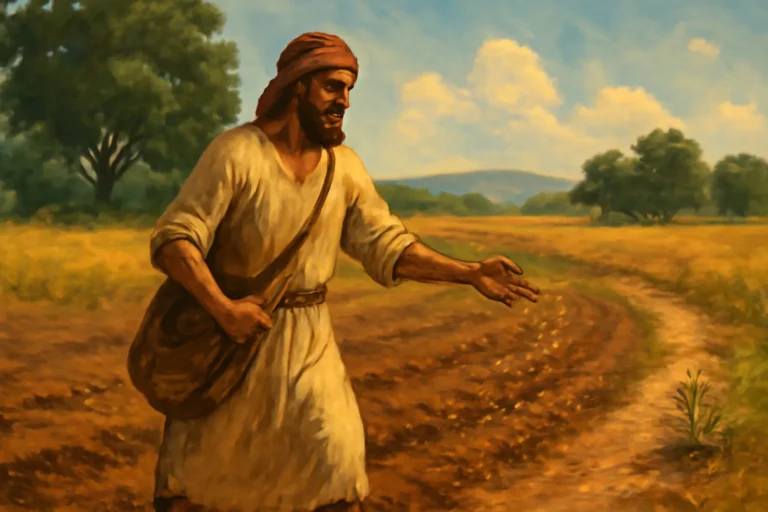
Sproul adeptly contextualizes the parable within the broader narrative of Luke's gospel, highlighting the presence of women who supported Jesus. He uses this to underscore their significant, if not apostolic, role in the early church. This attention to detail shows his commitment to thoroughly understanding the text's historical and cultural setting. Then, he meticulously breaks down the agricultural practice of scattering seed and the different soil conditions: the wayside, rocky ground, thorny ground, and fertile soil.
The Four Types of Soil and Their Spiritual Significance
Sproul's explanation of the four types of soil is particularly insightful. Each represents a different response to the gospel message:
The Wayside: Represents those who hear the word, but the devil snatches it away before it can take root. This speaks to the need for a receptive and guarded heart.
The Rocky Ground: Symbolizes those who receive the word joyfully initially, but their faith lacks depth. They fall away during times of trial, lacking deep roots.
The Thorny Ground: Represents those who hear the word but are choked by worldly concerns. Riches, pleasures, and anxieties prevent the seed from bearing fruit, highlighting the importance of prioritizing spiritual growth.
The Good Ground: Symbolizes those whose hearts, prepared by the Holy Spirit, receive and embrace the word, ultimately bearing abundant fruit. This represents genuine conversion.
A crucial point Sproul makes is that the parable doesn't advocate for the loss of salvation. He asserts the eternal security of true believers, suggesting that those who fall away never truly possessed saving faith. He stresses the difference between genuine conversion, which radically alters one's life, and superficial professions of faith, often seen in mass evangelism. He warns against mistaking emotional responses or outward actions for true, heart-level conversion. The ultimate test, he argues, is the bearing of fruit—a life transformed by the Holy Spirit.
Pastor David Pranga’s Perspective: Responsibility for Spiritual Growth
Pastor David Pranga's sermon, focusing on Matthew's version of the parable, similarly uses the farming imagery to illustrate how people respond to God’s word. However, he places a stronger emphasis on the individual's responsibility for spiritual growth.
Pranga's sermon skillfully explains each type of soil and its corresponding spiritual condition, mirroring Sproul's analysis. He emphasizes the importance of a receptive heart, a firm foundation in faith, discerning priorities, and cultivating spiritual disciplines. The sermon offers practical steps towards cultivating a "good soil" heart, encouraging self-reflection and active engagement with God.
The Sower's Consistent Action and the Hearer's Response
Unlike Sproul's focus on the nature of true faith, Pranga emphasizes the consistent action of the sower (Jesus) contrasted with the variable responses of the soil (the individual). This underscores the initiative God takes in offering salvation, but also the individual's responsibility in receiving and nurturing it. The sermon concludes with a powerful call to action, urging listeners to confront their spiritual "weeds" and foster their relationship with God. It also encourages believers to actively share the gospel, becoming sowers themselves, thus expanding the reach of God's word.
Octavia Butler’s Literary Interpretation: “Parable of the Sower”
While not a sermon, Octavia Butler's novel, "Parable of the Sower," offers a unique and powerful interpretation of the parable's underlying themes. It's a dystopian narrative that uses the metaphor of sowing and the different soils to explore themes of societal breakdown, environmental collapse, and the search for meaning in a chaotic world.
Butler's "Parable of the Sower" isn't a direct interpretation of the biblical parable but rather uses its core concept as a springboard for exploring the challenges of human resilience and the struggle for meaning in a crumbling society. Lauren Olamina’s journey and the development of her Earthseed philosophy are a testament to the enduring human capacity for hope and adaptation, mirroring the growth of the seed in good soil. The novel serves as a potent warning, urging readers to confront the challenges facing our world and to actively contribute to the creation of a better future.
The novel's relevance lies in its chillingly realistic portrayal of societal disintegration and Lauren's journey towards creating Earthseed. Lauren's hyperempathy, her acute sensitivity to the suffering around her, acts as a catalyst for her development of Earthseed, a philosophy that emphasizes change, adaptation, and the belief in humanity's ultimate destiny among the stars. This dynamic philosophy resonates with the parable's theme of spiritual growth and transformation, albeit in a secular context. The novel's exploration of societal collapse mirrors the parable's depiction of various heart conditions that either nurture or hinder spiritual growth. Therefore, while not directly addressing the parable of the sower sermon textually, it resonates with its central themes of receptivity, growth, and the challenges of nurturing faith in a challenging world. The novel serves as a powerful reminder of the interconnectedness of our actions and their consequences, highlighting the importance of active engagement in shaping a better future.
Frequently Asked Questions: The Parable of the Sower
Here are some frequently asked questions about the Parable of the Sower, drawing from various interpretations:
What is the main point of the Parable of the Sower?
The Parable of the Sower, as interpreted by R.C. Sproul and others, primarily illustrates the different ways people respond to the Gospel message. It's not just an agricultural lesson but a profound explanation of spiritual receptivity. The focus is on the various responses to the word of God, highlighting the importance of a prepared heart for true faith. Pastor David Pranga's interpretation emphasizes that the responsibility for spiritual growth rests with the individual; the seed is planted, but the heart's condition determines the outcome.
What do the different types of soil represent in the parable?
The different types of soil represent different states of the heart:
Wayside/Path: Represents a hardened heart, unresponsive to the Gospel message (Sproul and Pranga). The seed is immediately snatched away, symbolizing rejection or a lack of understanding.
Rocky Ground: Symbolizes superficial faith. Initial enthusiasm fades quickly when faced with adversity (Sproul and Pranga). There is a lack of deep roots.
Thorny Ground: Represents a heart choked by worldly cares, riches, and pleasures, preventing spiritual growth and fruit-bearing (Sproul and Pranga).
Good Ground: Represents a receptive and well-prepared heart. The seed takes root, grows, and produces an abundant harvest (Sproul and Pranga). This is a heart prepared by the Holy Spirit.
Does the parable teach that salvation can be lost?
R.C. Sproul emphasizes that the parable does not teach the loss of salvation. He argues that those who fall away never truly possessed saving faith. True believers, once saved, are eternally secure. The parable highlights the difference between genuine conversion, which transforms one's life, and superficial professions of faith.
What is the role of the Holy Spirit in the parable?
Sproul and Pranga both emphasize the indispensable role of the Holy Spirit in preparing the heart (the soil) to receive the seed of God's word. The condition of the soil—its receptivity—is directly related to the work of the Holy Spirit. Without the Spirit's work, the seed will not take root and bear fruit.
How can I know if I am "good soil"?
The test of genuine conversion, according to Sproul, is the bearing of fruit—a life transformed by the Holy Spirit. It's not simply about emotional responses or outward actions but about a deep, heart-level change evidenced by obedience to God's word and a life lived in accordance with His will. This transformation reflects spiritual growth and commitment. Pranga's interpretation adds the importance of self-reflection and actively cultivating a receptive heart to receive God's word and to bear fruit.
When does conversion occur?
Sproul notes that while some can pinpoint the exact moment of conversion, others cannot. The key is not when but if one is genuinely converted, evidenced by a life of obedience and fruit-bearing. The timing is less important than the reality of the transformation.
What is the call to action from this parable?
Both Sproul and Pranga's interpretations end with a call to self-examination. We should examine the condition of our hearts, identify and remove spiritual "weeds" (distractions and hindrances), and actively cultivate "good soil" through spiritual disciplines like prayer, Bible study, and fellowship. Further, Pranga highlights the responsibility of believers to share the gospel, becoming "sowers" themselves.