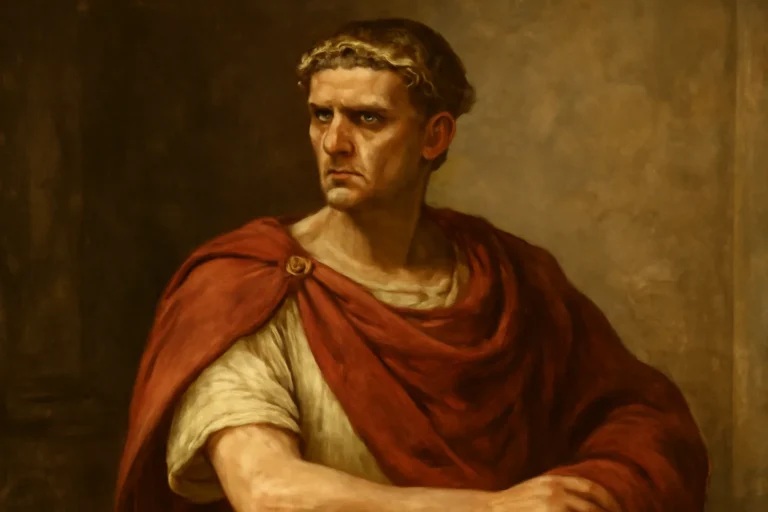
10 Facts About Barabbas: The Man Released Instead of Jesus
10 Facts About Barabbas: The Man Released Instead of Jesus
Who was Barabbas, the man whose release paved the way for Jesus' crucifixion? This seemingly minor character in the Gospel accounts holds a surprisingly significant place in Christian theology and continues to spark debate and interpretation even today. Let's delve into 10 key facts about this enigmatic figure.
The Gospels consistently describe Barabbas as a "notorious prisoner," implying he was well-known within the Jerusalem populace. This notoriety wasn't due to mere petty crime; he was involved in significant events that brought him to the attention of the Roman authorities. The exact nature of his crimes is a subject of much debate.
The term "notorious" suggests a level of infamy, indicating his actions were far from insignificant. His reputation preceded him, making him a recognizable figure to the crowd gathered before Pontius Pilate. This notoriety played a crucial role in the events that unfolded.
2. He Participated in an Insurrection
Beyond being merely "notorious," Mark, Luke, and Matthew's Gospels specifically link Barabbas to an insurrection against the Roman occupying forces in Judea. This act of rebellion was not a small-scale crime but a significant challenge to Roman authority. It places Barabbas within a larger historical context of resistance against Roman rule.
This insurrectionary activity paints a picture of Barabbas as a political activist rather than simply a common criminal. His actions demonstrate a willingness to challenge the established power structure, making his release even more consequential in the narrative of Jesus' crucifixion.
3. He Was Accused of Murder
The Gospel of John specifies that Barabbas was guilty of murder, committed during his participation in the insurrection. This accusation underscores the gravity of his crimes. It wasn't just political rebellion; it involved violent acts that cost human lives. Thus, his release wasn't a simple pardon for a minor offense.
This detail of murder substantiates his "notorious" status. The act adds a layer of complexity to his character, moving beyond simple political rebellion to encompass violent criminality, making his juxtaposition with Jesus even more striking.
4. His Name’s Significance: “Son of the Father”
The name Barabbas, meaning "son of the father" (or potentially "son of the teacher") in Aramaic, is strikingly similar to the title applied to Jesus – the Son of God. This ironic parallel is often noted, emphasizing the stark contrast between the two men presented to the crowd. It lends itself well to theological interpretation.
This linguistic similarity highlights a poignant irony. The choice between two men both bearing titles related to fatherhood underscores the complexities of the decision made by the crowd. The name becomes a powerful symbol within the larger narrative.
5. The Possibility of “Jesus Barabbas”
Some ancient texts suggest that Barabbas' full name might have been Jesus Barabbas. While not universally accepted, this possibility adds another layer of irony and dramatic tension to the narrative. It creates an even more pointed comparison between the two figures.
This possibility further deepens the symbolic weight of the scene. The repetition of the name "Jesus" intensifies the paradox of the choice offered to the crowd, raising questions about identity, fate, and the nature of divine intervention.
6. The Crowd’s Choice: Barabbas Over Jesus
The crowd's decision to release Barabbas instead of Jesus is a pivotal moment in the Gospel narrative. This choice reveals much about the political climate, the people's desires, and the complex interplay of power dynamics during that time. It was a momentous decision with far-reaching consequences.
The crowd's preference for Barabbas over Jesus highlights the tension between political expediency and spiritual significance. This decision underscores the complexities of human nature and the influence of societal pressures on individual choices.
7. The Significance of Passover
The timing – the release taking place during Passover, a time of liberation and remembrance – further amplifies the symbolic weight of the event. It creates a powerful juxtaposition between the freedom sought by the Jewish people and the freedom offered through faith in Jesus. The context underscores the drama and significance of the moment.
Choosing to release a prisoner symbolic of earthly rebellion during a festival celebrating spiritual liberation presents a profound irony. This juxtaposition of contexts underscores the multitude of layered meanings in the narrative.
8. Misinterpretations and Anti-Semitism
Historically, the narrative of Barabbas' release has been misused to fuel anti-Semitism. The crowd's cry, "His blood be on us and on our children!" has been misconstrued as evidence of collective Jewish guilt for Jesus' death. However, this is a flawed and harmful interpretation.
Modern scholarship emphasizes that the crowd in question was not representative of the entire Jewish population. This interpretation, widely rejected by religious leaders, serves to dangerously simplify complex historical events and promotes prejudice against the Jewish people.
Barabbas's story continues to resonate in modern interpretations. The novel Barabbas by Pär Lagerkvist explores the released prisoner's life after his release, offering a fictional account of his internal struggles and the implications of his surprising freedom. This serves as an example of Barabbas' enduring appeal.
The enduring fascination with Barabbas's story reflects his symbolic importance. He represents the complexities of human choice, often used to examine themes of grace, justice, and the consequences of individual and collective actions.
10. Barabbas: A Symbol of Choice and Redemption
Ultimately, Barabbas serves as a powerful symbol within the larger narrative of the crucifixion. His story highlights the crucial choices individuals and societies face, the consequences of those choices, and the profound implications of faith and redemption. His release, in contrast to Jesus' sacrifice, offers a rich tapestry of theological and literary interpretations. He represents a powerful counterpoint to the narrative of Jesus.
The story of Barabbas, though briefly told in the Gospels, has a lasting impact. He is a reminder of the intricate interplay of human agency, divine intervention, and the powerful symbolism found within religious narratives. His very existence prompts reflection on justice, mercy, and the enduring questions of faith.
Frequently Asked Questions about Barabbas
1. Who was Barabbas?
Barabbas was a prisoner mentioned in all four Gospels of the New Testament. He is described as a "notorious prisoner" involved in an insurrection against the Roman authorities and charged with murder. The Gospels offer limited biographical details, but his name, possibly meaning "son of the father" or "son of the teacher," hints at a potential connection to Jewish society. Some scholars even suggest his full name may have been Jesus Barabbas, creating an ironic parallel with Jesus Christ.
2. What was Barabbas's crime?
The Gospels state that Barabbas was involved in a rebellion against the Roman occupation of Judea and was charged with murder committed during this insurrection. He wasn't simply a common thief, but a political activist implicated in a serious crime against Roman authority.
3. Why is Barabbas significant in the crucifixion narrative?
Barabbas's significance lies in his release by Pontius Pilate in place of Jesus Christ. This pivotal moment, decided by the crowd, presents a stark choice between a political revolutionary (Barabbas) and a spiritual leader (Jesus). The event highlights the complex interplay of political pressures, religious convictions, and the tension between earthly and divine power.
The name Barabbas likely means "son of the father" or "son of the teacher" in Aramaic. This ironic parallel with Jesus, the Son of God, underscores the stark contrast presented to the crowd during the decision of who to release.
5. What happened to Barabbas after his release?
The Gospels provide no information about Barabbas's life following his release. His subsequent fate remains unknown, fueling speculation and diverse interpretations in religious and literary contexts.
6. Is Barabbas a symbol of anything?
Yes, Barabbas serves as a powerful symbol. He represents the choice between earthly rebellion and spiritual redemption. His release is often interpreted as a representation of the substitutionary atonement in Christian theology, where Jesus takes the place of a guilty individual, representing humanity's redemption. He can also symbolize the complexities of human agency, the choices individuals make, and the consequences of those choices.
7. How has Barabbas's story been misused?
The narrative surrounding Barabbas's release has been historically misused to fuel anti-Semitism. The crowd's cry, "His blood be on us and on our children!" has been wrongly interpreted as blaming the entire Jewish population for Jesus' death. Modern scholarship rejects this interpretation, emphasizing that the crowd consisted of specific groups, not the entire Jewish populace.
8. What is the theological significance of Barabbas's release?
Theologically, Barabbas's release is viewed as a powerful symbol of God's grace and the concept of substitutionary atonement, where Jesus, the innocent, takes the place of the guilty, representing humanity's salvation. The contrast between Barabbas and Jesus highlights the choice between rebellion and redemption.
9. Has Barabbas inspired any works of art or literature?
Yes, Barabbas's enigmatic story has inspired numerous artistic and literary interpretations. Pär Lagerkvist's novel Barabbas (1950) is a notable example, exploring the released prisoner's internal life and the implications of his unexpected freedom in relation to Jesus' crucifixion.
10. What is the overall significance of Barabbas in the Biblical narrative?
Despite his limited appearance, Barabbas holds significant importance. He serves as a crucial element in the narrative of Jesus' crucifixion, acting as a foil to Jesus and emphasizing the choices involved in that pivotal moment in history. His story continues to resonate because it highlights the complexities of justice, mercy, and the choices individuals and societies make.