Apostle robes, while not a uniformly defined garment across all Christian denominations, represent a significant aspect of religious attire and symbolism. This article will explore the historical context, symbolic meanings, construction, and contemporary usage of garments associated with the title and role of apostle. Understanding these aspects provides insight into the rich tapestry of religious history and tradition.
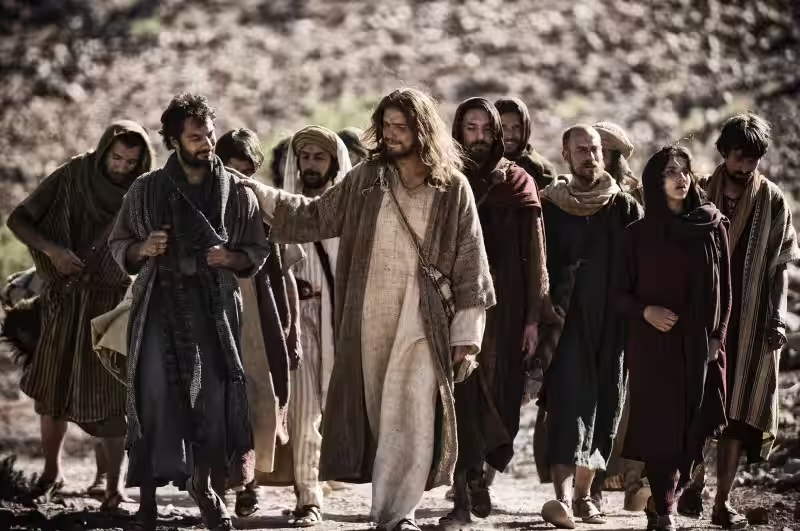
The depiction and clothing of apostles in early Christian art and literature offer a starting point for understanding the evolution of apostle vestments. Early representations often depict apostles in simple tunics, reflecting the humble lifestyle emphasized in early Christian teachings. These garments lacked the elaborate embellishments and symbolic details that developed later.
Over time, as Christianity evolved and gained influence, so too did the attire associated with its leaders. The vestments became more ornate, incorporating richer fabrics, embroidery, and symbolic colors. This shift mirrored the growing social standing of the church and the increasing complexity of liturgical practices. The specific details varied between denominations and regions, leading to a diverse range of styles and interpretations.
The Symbolism Woven into Apostle Robes
The symbolism embedded within apostle robes is a rich field of study. Colors, often carrying specific theological significance, played a crucial role. For example, certain colors might represent virtues like purity (white), sacrifice (red), or royalty (purple). The choice of fabric, whether linen, silk, or wool, also held meaning, reflecting the social status of the wearer and the occasion.
Embroidery and other decorative elements were not merely aesthetic choices but often conveyed complex theological narratives. Images of biblical scenes, symbols of the faith, or even depictions of saints could be woven into the fabric, enriching the symbolic weight of the garment. The interpretation of these symbols often varied depending on the specific theological tradition and historical period.
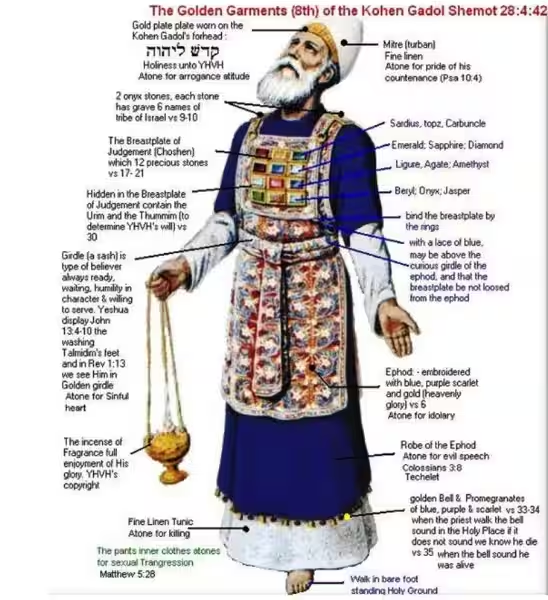
Several specific garments are frequently associated with apostolic representation, each carrying its own particular symbolic meaning:
Chasubles: Often worn during the Eucharist, chasubles represent Christ's sacrifice and the garment of salvation.
Stoles: Worn over the shoulders, stoles symbolize authority and the delegation of priestly power.
Dalmatics: These are longer tunics worn underneath other garments, possibly representing the dignity and importance of the apostolic office.
Albs: White tunics, symbolic of purity and the wearer's dedication to God's service.
These garments, and others, often combined in various ways, contributed to a complex visual representation of the apostolic office and its theological significance. The careful selection and arrangement of these items created a powerful symbolic statement during liturgical ceremonies.
Construction and Materials of Apostle Robes
The creation of apostle robes was, and often still is, a highly skilled craft. The choice of materials significantly impacted the garment’s appearance, durability, and symbolic meaning. Fine fabrics like silk and wool were often reserved for special occasions or high-ranking clergy, while simpler materials like linen were more common for everyday use.
The techniques used in constructing apostle robes included intricate embroidery, often using gold or silver threads, creating elaborate designs rich in theological symbolism. The work itself, often undertaken by specialist artisans, reflected the significance of the garments and their role in religious ceremonies. Many historical apostle robes demonstrate incredible levels of craftsmanship, reflecting both skill and devotion.
Contemporary Usage of Apostle Robes
Today, apostle robes can still be seen in various contexts. In traditional liturgical settings, some denominations continue to use elaborate vestments in religious services, preserving historical practices and symbolic meanings. The designs and materials might vary or be adapted to contemporary tastes, but the underlying theological significance remains.
Beyond liturgical settings, apostle robes also appear in other contexts. Historical reenactments, theater productions, and even artwork often utilize garments inspired by or directly replicating historical apostle robes. These appearances help to maintain awareness of the historical significance of the garments and their associated symbolism. Additionally, some religious organizations might still commission custom-made apostle robes for specific occasions or roles.
While many historical apostle robes are preserved in museums or church archives, it is possible to find contemporary versions. Several companies specialize in creating and selling religious garments, including those inspired by or intended to represent apostle robes. These may range from simple, everyday garments to highly elaborate, custom-made pieces depending on the customer's needs and budget.
When searching for apostle robes, it is crucial to consider the intended use, desired level of detail, and the specific theological context. Researching different suppliers can help in finding a garment that meets specific requirements. Look for trustworthy sources that prioritize quality craftsmanship and accuracy in design and symbolism. Remember to carefully check sizing charts and return policies before making a purchase. Remember that the quality and authenticity of materials are key to maintaining the integrity of the garments' symbolism.
Conclusion: The Enduring Significance of Apostle Robes
Apostle robes and other associated vestments retain enduring significance, embodying a rich tapestry of history, theology, and artistic expression. While their specific forms and designs might vary across denominations and time periods, they continue to serve as powerful visual symbols of faith, authority, and the enduring legacy of the apostles. Understanding the history and symbolism of these garments allows one to appreciate their place within the wider context of Christian tradition and culture. Whether for liturgical use, historical representation, or personal reflection, apostle robes hold a unique and significant position in the world of religious attire.
Frequently Asked Questions about Apostle Robes
What are apostle robes?
Apostle robes are garments worn by individuals representing or associated with apostles, either literally or symbolically. Their style and significance vary widely depending on historical period, religious denomination, and specific context (e.g., liturgical ceremony, theatrical performance, historical reenactment). They may range from simple tunics to elaborate, richly embroidered vestments. The term is sometimes used interchangeably with other terms for religious garments, such as vestments or robes, depending on the specific tradition and context.
What is the historical significance of apostle robes?
The historical evolution of apostle robes reflects the changing styles and symbolism within Christianity. Early depictions in art and literature often show simple tunics, reflecting the humble lifestyle of the early apostles. Over time, the robes became more elaborate, reflecting the growing influence and organization of the Church. Different denominations and liturgical traditions developed their own distinctive styles, incorporating specific colors, fabrics, and embroidery patterns that hold theological meaning.
What is the symbolism of different elements in apostle robes?
The symbolism within apostle robes is rich and complex. Colors, fabrics, and embroidery patterns often carry specific theological significance. For example, certain colors might represent virtues, while specific patterns could allude to biblical events or figures. The interpretation of these symbols can vary across different theological perspectives and traditions. Detailed analysis of these symbols would require exploring specific examples from different denominations and historical periods.
What materials are typically used in making apostle robes?
The materials used in creating apostle robes vary depending on the historical period, the tradition, and the intended purpose of the garment. Historically, fabrics like linen, wool, and silk have been commonly used. Contemporary robes might also incorporate other materials, depending on factors such as cost, availability, and desired aesthetic qualities. High-quality robes often involve skilled craftsmanship in sewing and embroidery.
Where can I purchase apostle robes?
The availability of apostle robes depends on the specific style and tradition you are interested in. Some religious supply stores specialize in ecclesiastical garments, and there may be online retailers dedicated to selling such attire. Alternatively, you might need to commission a custom-made robe from a tailor specializing in religious vestments. It’s recommended to search online retailers or local religious goods stores for more options.
How are apostle robes used today?
Today, apostle robes are used in a variety of contexts. They may be worn in liturgical ceremonies and religious processions within specific churches or denominations. They may also appear in theatrical productions or historical reenactments that depict biblical scenes or religious figures. The use varies widely depending on the specific tradition and context.
Are there different styles of apostle robes?
Yes, there are many variations in the styles of apostle robes. The styles differ based on factors such as the historical period, the specific religious tradition (Catholic, Orthodox, Protestant denominations all have different styles), the rank or role of the wearer (e.g., a bishop might wear a different robe than a priest), and even the specific occasion. Some robes are simple and plain, while others are highly decorated and elaborate. Researching specific denominations or historical periods will reveal the variations in style.