The Ephod of Aaron, a richly detailed garment described in Exodus 28, remains a subject of fascination and scholarly debate. More than just clothing, it served as a powerful symbol of priestly authority, divine communication, and the intricate relationship between God and the Israelites. This article will delve into the significance of the Ephod of Aaron, exploring its construction, symbolism, and liturgical function, drawing upon scholarly interpretations to illuminate its deeper meaning.
The Construction of the Ephod: A Testament to Divine Craftsmanship
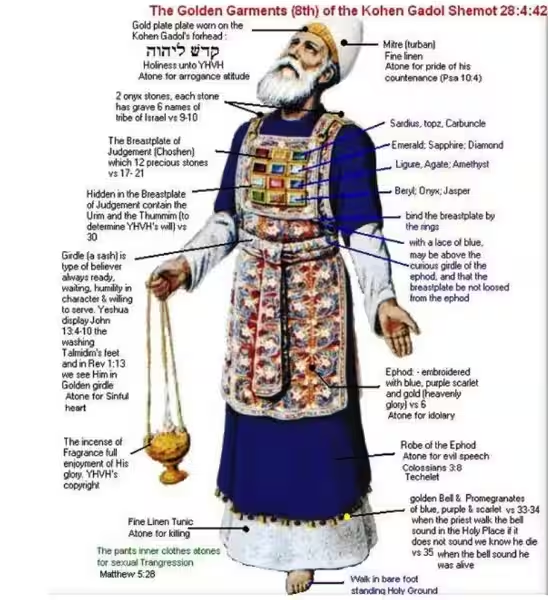
The detailed instructions for the Ephod's creation in Exodus 28 are striking. The text specifies the use of fine linen, blue, purple, and scarlet yarn, and gold—materials associated with royalty and divinity in the ancient Near East. This wasn't merely about aesthetics; the meticulous craftsmanship reflected the sacred nature of the priestly office and the divine authority it represented.
The effort and skill involved in creating the Ephod highlight its importance. The use of precious materials mirrors similar practices in other ancient Near Eastern cultures, underlining the high status of the high priest as God's representative. The careful weaving and embellishment aren't simply decorative; they speak of the dedication and reverence required for this sacred task.
The Ephod's Components: More Than Meets the Eye
The Ephod wasn’t a single piece of clothing. It was a complex garment, likely an apron-like vest, featuring two shoulder pieces connected by a skillfully woven body. These shoulder pieces held onyx stones, each engraved with the names of six of the twelve tribes of Israel. This physical bearing of the tribes' names signified Aaron's tremendous responsibility and burden of leadership for the entire nation.
This division of the tribes across both shoulders is significant. It suggests a balance and a responsibility to bear the weight of all twelve tribes equally before God. The meticulous detail in its construction points towards a deeply symbolic garment, intended to physically represent God's presence and Aaron's role as his intermediary.
The Breastplate: A Symbol of Unity and Intercession
Attached to the Ephod was the breastplate, a folded square of embroidered linen adorned with twelve precious stones, each engraved with the name of an Israelite tribe. This positioning, over Aaron's heart, symbolized his deep concern and affection for his people.
The breastplate also housed the Urim and Thummim. The precise nature of the Urim and Thummim remains a matter of scholarly discussion, but they were clearly integral to seeking divine guidance. They are described as enabling the high priest to discern God's will, acting as a form of divine oracle. The combined presence of the Urim and Thummim and the twelve tribal stones emphasized Aaron's role as an intercessor, carrying the concerns of the entire nation before God.
The Urim and Thummim: A Window to God's Will
The inclusion of the Urim and Thummim within the breastplate adds another layer of complexity to this sacred garment. While their exact function is debated, it's clear they were crucial in communicating God's will. Whether through a system of lots, a symbolic representation of divine judgment, or another mechanism, the Urim and Thummim provided a powerful means of divine communication.
Archaeological evidence from the ancient Near East suggests that various methods of divination were common. However, the description of the Urim and Thummim in Exodus points towards a unique Israelite approach, one emphasizing God's active involvement in guiding his people's decisions. This sets the Israelite practice apart from other ancient Near Eastern divination systems.
Liturgical Significance: The Ephod in Ritual and Ceremony
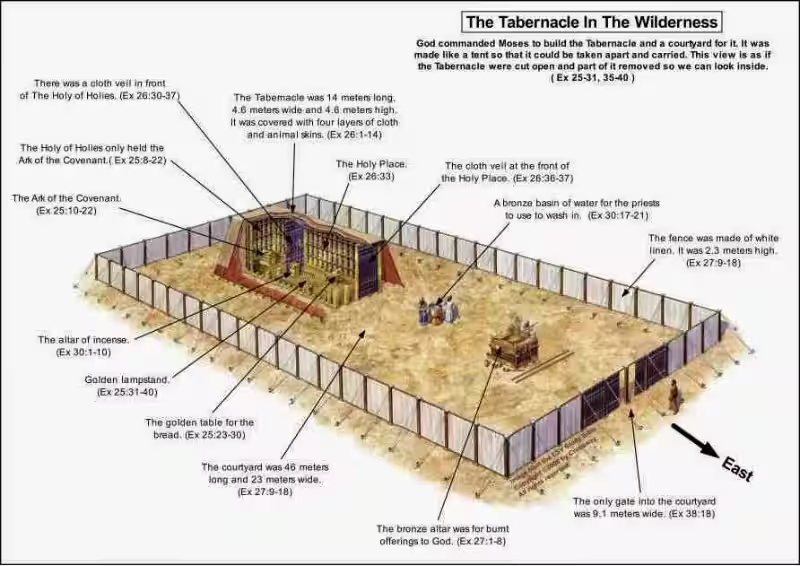
The Ephod and breastplate weren't merely garments; they were integral to specific priestly rituals and ceremonies, particularly those involving approaching God's presence in the Holy of Holies. The act of wearing these garments imbued the high priest with a consecrated status, allowing him to fulfill his duties in the presence of the divine.
The Ephod undoubtedly played a central role in the Day of Atonement, the most sacred day in the Israelite calendar. During this ritual, the high priest would enter the Holy of Holies to make atonement for the sins of the people. The Ephod, with its symbolic weight of the tribes and the divine guidance of the Urim and Thummim, would have been essential for this solemn occasion.
The careful and detailed instructions on how to create the ephod, and the materials used, were not arbitrary. They underline the vital role of both the high priest and the sacred garments in mediating God's interaction with his people.
Theological Implications: A Deeper Understanding of Israelite Faith
The Ephod of Aaron and its associated garments represent far more than simply clothing; they encapsulate a rich tapestry of theological ideas central to Israelite faith. They symbolized the intricate relationship between God and his chosen people, mediated through the high priest. The garments conveyed themes of divine presence, priestly authority, national unity, and the communication of God's will.
These symbolic garments thus served as a powerful visual reminder of God's presence and the priest's role as his intermediary. The meticulous detail in their construction speaks to the reverence and sanctity with which the Israelite faith approached its relationship with the divine. Understanding the significance of the Ephod of Aaron provides invaluable insight into the broader theological context of the Book of Exodus and the Pentateuch, deepening our understanding of covenant, redemption, and God's faithfulness.
Frequently Asked Questions: The Ephod of Aaron
What was the Ephod of Aaron, and why was it significant?
The ephod was a sacred garment worn by Aaron, the first High Priest of Israel, as detailed in Exodus 28. It was not merely clothing; it was a complex and meticulously crafted vestment symbolizing the high priest's divine authority and his role as an intermediary between God and the Israelite people. Its elaborate construction, using fine linen, blue, purple, and scarlet yarn, and gold, emphasized its sacred nature and the significant labor involved in its creation. The materials themselves, often symbolic of royalty and divinity in the ancient Near East, further underscored Aaron's elevated status. The ephod's significance lies in its representation of holy work, directly connecting the craftsmanship to the divine presence.
What was the role of the breastplate in relation to the ephod?
The breastplate was a crucial component attached to the ephod. It was a folded square of embroidered linen containing twelve precious stones, each engraved with the name of one of the twelve tribes of Israel. This represented the unity and collective identity of the Israelite people, symbolically bearing their concerns and petitions before God. The breastplate's position over Aaron's heart symbolized his care and responsibility for the nation. Furthermore, it housed the Urim and Thummim, objects whose precise function remains debated, but which were likely used for divination and seeking God's will. The breastplate, therefore, played a vital role in mediating God's communication with his people.
What was the purpose of the Urim and Thummim?
The Urim and Thummim were placed within the breastplate and are described as a means of seeking divine guidance. Their exact nature and function remain a subject of scholarly debate, but they likely served as a form of oracle, assisting the high priest in determining God's will. This highlights the critical role of the ephod and breastplate in facilitating communication between God and his people through the high priest’s intercession. Their use is situated within the broader context of ancient Near Eastern divination practices, yet distinct in its Israelite expression.
What was the liturgical significance of the ephod and breastplate?
The ephod and breastplate were not simply garments; they were integral to specific priestly rituals and ceremonies. Wearing them imbued the high priest with a consecrated status, allowing him to approach God's presence in the Holy of Holies. The act of wearing these garments was essential for carrying out the priestly duties and the performance of sacred rituals, such as those observed on the Day of Atonement or other significant festivals. Their liturgical significance underscores their role as symbols of the consecrated priestly office and its connection to divine authority.
What are the broader theological implications of the ephod and breastplate?
The ephod and breastplate represent far more than just clothing; they symbolize the complex relationship between God and his people, mediated through the high priest. The garments convey profound themes of divine presence, priestly authority, national unity, and the communication of God's will. Their symbolism connects to wider themes within the Book of Exodus and the Pentateuch, such as covenant, redemption, and God's faithfulness. Understanding the significance of these garments provides a deeper understanding of the Israelite faith and its unique expression of religious practices. They offer a tangible representation of the invisible relationship between God and His people.