The Hebrew Word for Chosen by God: Bakhir and the Meaning of Election
The Hebrew Word for Chosen by God: Bakhir and the Meaning of Election
The question many grapple with, especially those familiar with the Bible and its rich tapestry of stories, is: What does it truly mean to be chosen by God? This exploration delves into the Hebrew word bakhir (Strong's 972), a term that sheds light on this profound concept, particularly within the context of God's relationship with humanity.
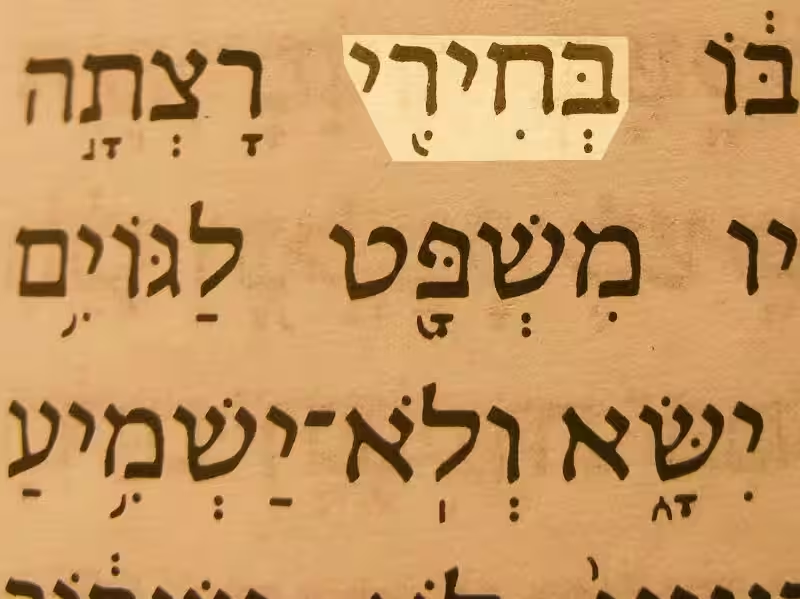
The Hebrew word bakhir translates most directly to "chosen." However, its significance extends beyond a simple selection process. It encapsulates the idea of divine election, a deliberate act of choosing by God, often for a specific purpose or task. It's not a random lottery; it's a purposeful act with profound implications for both the chosen individual and the larger narrative of God's plan.
This deepens our understanding of biblical narratives. Think of Moses, called from obscurity to lead his people out of slavery; or Aaron, chosen to be the high priest, mediating between God and Israel. These individuals were not merely selected; they were bakhir, hand-picked by God for roles vital to His divine plan. The weight of this divine choice is felt throughout their lives and actions. The responsibility inherent in being bakhir is a recurring theme throughout scripture.
God’s Choice: From Abraham to the Messiah
The concept of bakhir extends beyond individual figures to encompass entire nations and covenants. God's choice of Abraham, the patriarch of the Jewish faith, ushered in a covenant that promised blessings and a future through his descendants. This covenant, sealed with promises and reiterated across generations, established a unique relationship between God and the Israelites. The subsequent choice of David to be king solidified this covenant, permanently connecting the lineage of the Messiah to David's royal line.
God's choice of Jerusalem as His city further exemplifies this profound connection. Despite periods of devastation – the Babylonian exile, the destruction of the Second Temple – Jerusalem remained symbolically central to God's plan. Its repeated destruction and subsequent restoration serve as powerful metaphors for God's unwavering commitment to His covenant with His people, a covenant that transcends earthly power and temporal limitations. These periods of suffering and rebuilding serve as powerful reminders of the enduring nature of God's covenant with His chosen people.
The “Chosen People” and the Paradox of Suffering
The term "chosen people" is often associated with the Jewish people. However, this designation, derived from the concept of bakhir, carries a double-edged sword. While it represents a unique relationship with God, marked by privilege and promise, it has also been accompanied by immense suffering throughout history – persecution, displacement, and genocide.
This paradox highlights the complexity of God's plan. Being bakhir does not equate to exemption from hardship; rather, it suggests a unique role in God's overarching plan for humanity. The suffering of God's chosen people, particularly in the context of their unwavering faith, becomes a testament to the enduring power of the covenant and the ultimate triumph of God's will. It is a story of suffering intertwined with hope, a story that continues to unfold.
The Universal Embrace of God’s Choice: Jesus and the New Covenant
The arrival of Jesus, a descendant of David, marks a pivotal moment. His life, death, and resurrection fulfilled the prophecies of the Old Testament and opened the way for a new and inclusive understanding of God's choice. Jesus, the promised Messiah, wasn't merely sent to liberate the Jews from Roman oppression; His mission extended to the salvation of all humanity.
Passages from Zechariah, Isaiah, and the epistles of Paul emphasize this inclusive nature of God's bakhir – a chosen family that transcends ethnic boundaries and welcomes all who believe. The unexpected form of Messiahship—humble, suffering, and ultimately triumphant—contrasted with the people's expectations and resulted in his rejection, even from his closest disciples. This rejection highlights the human element in God’s plan, showing that acceptance of God's choice is a matter of faith and belief.
The concept of bakhir highlights the importance of human agency. While God initiates the choice, our response is crucial. Deuteronomy presents a stark contrast: choosing God equates to choosing life, while rejecting Him leads to death. This choice isn't merely a passive acceptance; it's an active engagement with God's plan, a commitment to living a life that reflects His values.
Being part of God's chosen family—whether understood through the lens of the Old Testament or the New Covenant—is both an incredible inheritance and a weighty responsibility. It's an invitation to a loving relationship with God, a call to live a life of faith, peace, and compassion, and a commitment to proclaiming God's love to all creation. It is a life of service guided by faith and hope, a life dedicated to carrying out God's will. This responsibility isn't a burden, but a privilege, a chance to participate in God's ongoing work in the world. It is an opportunity to truly understand what it means to be bakhir.
Frequently Asked Questions: The Hebrew Word for “Chosen by God”
What is the Hebrew word for "chosen by God," and what are its nuances?
There isn't one single Hebrew word that perfectly translates to "chosen by God." The meaning and implication depend heavily on the context. Several Hebrew words convey aspects of divine selection, each with subtle differences in meaning. Bahar, bahir, and barar all describe different aspects of being chosen, ranging from general selection to specific appointment for a task, and even purification through service. The word choice reflects the specific nature of God's choosing in each biblical instance. Understanding these nuances offers a deeper appreciation of God's interaction with humanity.
How does the Hebrew word bakhir (Strong's 972) relate to the concept of "chosenness" in the Bible?
Bakhir (Strong's 972) translates to "chosen" and highlights the designation of individuals for a specific purpose or role. While not explicitly mentioned in "The Chosen" TV series, the show's depiction of individuals responding to Jesus's call reflects the concept of bakhir—those chosen by God to participate in His plan of redemption. Biblical examples abound, from Moses and Aaron to Jacob and David, illustrating God's proactive selection of individuals to fulfill specific roles in His narrative.
The concept of "chosenness" within the Jewish tradition has often been misinterpreted as an exclusive club. While God did choose the Israelites to be His covenant people, this choice carried both privilege and immense suffering. The New Testament reveals that God's plan extended beyond the Jewish people to encompass all who believe in Jesus Christ. Through Jesus' sacrifice, salvation is offered to all humanity, making God's "chosen family" inclusive rather than exclusive.
How does human choice interact with God's choice?
God's choice is not a passive designation; it requires a response from humanity. While God chooses, individuals must choose to accept or reject His call. Deuteronomy powerfully contrasts choosing life (obedience to God's commands) with choosing death (disobedience). This highlights the ongoing nature of the relationship: God chooses, and we choose to respond to His choice by aligning our lives with His will.
Are there other Hebrew words besides bakhir that relate to being chosen?
Yes, bahar, barar, and even mibhar offer different shades of meaning surrounding the idea of being chosen. Bahar represents a broader selection, while barar signifies a refining process through service. In contrast, mibhar describes human selection, often independent of or even opposing God's will, emphasizing the crucial distinction between divine appointment and human ambition. The variety of terms reveals the complexity and multifaceted nature of God's relationship with humanity.
What is the significance of the repeated destruction and restoration of Jerusalem in the context of "chosenness"?
The destruction and subsequent rebuilding of Jerusalem throughout history powerfully symbolize God's enduring covenant with His people. Even amid devastation, God's commitment remains, demonstrating His faithfulness and long-suffering love. This cyclical pattern reinforces the idea that God's choice is not conditional on human success or virtue but rooted in His unwavering covenant.