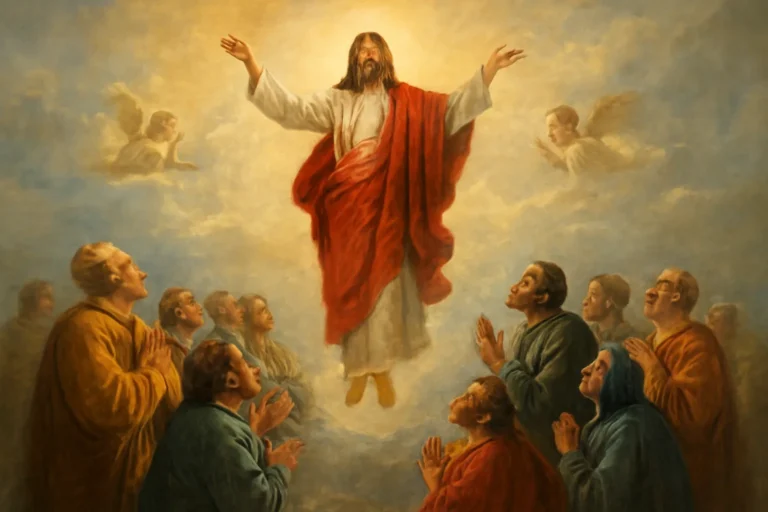
The image of "Jesus on the throne" is more than a simple visual representation; it's a powerful theological concept that speaks to the heart of Christian faith. It encapsulates Christ's authority, his ongoing work, and the hope it offers believers. But what exactly does it mean that Jesus is on the throne? This article will explore the multifaceted significance of this image, drawing from scripture and theological understanding.
David Mathis, in his insightful article "Still on the Throne: The Glories of a Seated Christ," emphasizes the importance of understanding Christ's ascension and continued reign in heaven. He argues that this "session"—Christ's seated position at the right hand of God—isn't simply a symbolic gesture but a dynamic reality with profound implications for believers.
The common phrase, "He's still on the throne," often refers to God's overall sovereignty. However, when applied to the ascended Jesus, it takes on a specifically Christian meaning. It's not merely a statement of timeless power, but a declaration of Jesus's ongoing Messianic rule. Mathis challenges us to move beyond simply acknowledging Christ's past actions (incarnation, death, resurrection) and future return, urging us to consider what Jesus does while seated on the throne.
This active reign is not passive. It shapes our lives, influences history, and provides us with access to God's mercy. It's a dynamic participation in the heavenly realm, impacting our earthly existence. Understanding this active reign helps us to appreciate earthly blessings within God's greater plan.
Three Key Aspects of Christ’s Throne
The Westminster Larger Catechism provides a framework for understanding the multifaceted nature of Christ's throne, highlighting three crucial aspects:
Jesus's seated position represents his ultimate exaltation and the highest favor with God the Father. This is a place of fullness of joy, glory, and power over all creation. Consequently, receiving our praise and worship is a key aspect of his activity on the throne. This isn't passive; it's an active participation in the heavenly realm.
This active worship profoundly impacts our lives. The act of directing our focus upwards—towards Jesus on the throne—allows us to better appreciate the blessings we receive here on earth, understanding them within the broader context of God's plan. It allows us to see our everyday lives as part of a larger, divinely orchestrated narrative.
2. History's Seat of Judgment
Christ's throne is also the seat from which he governs and judges all of history. He rules the nations, but his focus is particularly on the building and protection of His church. His authority is absolute, and his reign actively directs the course of history.
While the present rule is emphasized, the future judgment is inherent in this aspect of his session. This understanding should encourage us to live lives that are pleasing to Him, reflecting His love and grace in a world that desperately needs it. It is a call to live righteously and to be agents of His kingdom in all aspects of life.
3. Repentant Sinners' Seat of Mercy
Most strikingly, Christ's throne serves as a mercy seat, providing access to God's grace and forgiveness. His ongoing intercession for his people isn't a pleading on bended knee, but a continuous act inherent in his very being. His glorified humanity constantly intercedes for believers, securing our access to God's mercy.
This underscores Christ's role as the ultimate mediator, securing our access to the Father through his own sacrifice and continual presence. The image of Jesus on the throne, therefore, is not only one of power and authority, but also of profound compassion and love, continually working to bring us closer to God.
The Bible presents a rich and multifaceted portrayal of Jesus's throne, emphasizing his authority, kingship, and ultimate role in God's plan. Several key passages highlight these aspects:
Jesus's inherent authority and kingship: Revelation 3:21 ("To him who overcomes, I will give the right to sit with me on my throne, just as I overcame and sat down with my Father on his throne"), Matthew 28:18 ("All authority in heaven and on earth has been given to me"), Revelation 19:16 ("King of kings and Lord of lords"), and Hebrews 1:8 ("Your throne, O God, will last forever and ever").
Jesus's relationship to God's throne: Hebrews 1:3 ("The Son is the radiance of God's glory and the exact representation of his being, sustaining all things by his powerful word. After he had provided purification for sins, he sat down at the right hand of the Majesty in heaven.") and Hebrews 8:1 ("Now the main point of what we are saying is this: We do have such a high priest, who sat down at the right hand of the throne of the Majesty in heaven").
The future kingdom and judgment: Matthew 25:31 ("When the Son of Man comes in his glory, and all the angels with him, he will sit on his glorious throne") and Revelation 20 (the great white throne judgment).
These passages, among many others, paint a picture of Jesus not as a distant, uninvolved deity, but as an active King, ruling and reigning, interceding and judging, all from his heavenly throne. This active role reassures believers of his constant presence and unwavering love.
In conclusion, the concept of "Jesus on the throne" is not merely a symbolic representation but a powerful affirmation of Christ's ongoing reign, authority, and mercy. Understanding this reality deepens our faith, strengthens our hope, and empowers us to live lives reflecting His glory. It's a call to active worship, a recognition of His ongoing power, and a trust in His unwavering mercy.
Frequently Asked Questions: Jesus on the Throne
What does it mean that Jesus is "on the throne"?
The phrase "Jesus is on the throne" signifies far more than simply a literal physical location. It represents Jesus's ongoing reign and authority in heaven after his ascension. It speaks to his complete victory over sin and death, his exaltation to the highest position of honor with God the Father, and his active involvement in the affairs of the world and the lives of believers. This isn't just a statement about past events, but a declaration of his present and future Messianic rule.
What does Jesus do while seated on the throne?
Christ's "session" – his seated position – is far from passive. He actively governs and judges all of history, protecting and building his church. He also acts as a merciful mediator, constantly interceding for believers, providing access to God's grace and forgiveness. Furthermore, he receives our praise and worship, actively participating in the heavenly realm, influencing our lives on earth by directing our focus upward.
What are the key aspects of Christ's seated reign according to the Westminster Larger Catechism?
The Westminster Larger Catechism identifies three key aspects: First, his throne represents the ultimate seat of honor, signifying his exaltation and full joy in God's presence. Second, his throne is the seat of judgment from which he governs and judges all of history. Third, and most remarkably, his throne functions as a mercy seat, securing our access to God's grace through his continuous intercession.
How does the concept of Jesus on the throne provide comfort?
Understanding Christ's ongoing reign provides profound comfort. It reassures us that our lives and struggles are not overlooked by a distant or inactive God. His active rule, judgment, and intercession offer hope, security, and a deeper understanding of God's continual involvement in our world.
Does the Bible support the idea of Jesus on a throne?
Yes, the Bible frequently depicts Jesus seated on a throne, using powerful imagery symbolic of his authority, kingship, and ultimate role in God's plan. Passages in Revelation, Matthew, Hebrews, and other books consistently portray him as King of kings, Lord of lords, and the one who will ultimately judge the living and the dead. These images aren't merely literal descriptions of a physical throne, but powerful symbols of his divine authority and ongoing reign.
How does the concept of Jesus on the throne relate to the Trinity?
Some interpretations, drawing on passages like Revelation 3:21, suggest that Jesus shares the throne with the Father, highlighting the unified rule and co-equal nature of the Godhead. This unified rule underscores the seamless collaborative work of the Trinity in guiding and governing the universe and the lives of believers. The specific dynamic of "who rules" becomes less important than the shared purpose and perfect harmony of the Trinity.
Does the concept of Jesus on the throne imply a static or dynamic reign?
The concept is decidedly dynamic. While Jesus's seat symbolizes his ultimate authority and victory, it's not a static position. His reign involves active governance, judgment, intercession, and engagement with the world and his people. It's a living, active kingship that impacts every aspect of creation.