What is a Proud Look? Understanding the Biblical Condemnation of Pride
What is a Proud Look? Understanding the Biblical Condemnation of Pride
What is a proud look, and why is it so vehemently condemned in the Bible? While modern society often champions self-esteem and celebrates individual achievements, the Bible presents a starkly different perspective on pride, identifying it as a foundational sin with devastating consequences. This article will explore the biblical understanding of a proud look, contrasting it with contemporary interpretations of pride and highlighting its far-reaching implications for our spiritual lives.
The Biblical View of Pride: More Than Just Self-Esteem
The Bible doesn't condemn self-respect or healthy confidence. Instead, it condemns pride, a specific kind of self-regard that elevates the self above God and others. A "proud look," as mentioned in Proverbs 6:16-19, is a manifestation of this deeper, more insidious sin. It isn't merely a fleeting emotion but a persistent attitude characterized by arrogance, self-centeredness, and a rejection of God's authority.
This isn't simply a matter of opinion; the scriptures repeatedly warn against the dangers of pride. Proverbs 16:5 states, "Everyone who is arrogant in heart is an abomination to the Lord," highlighting the severity of God's opposition to this attitude. The consequences of pride are far-reaching, impacting not only our relationship with God but also our relationships with others.
Lucifer's Rebellion: The Original Sin of Pride
The biblical narrative paints a compelling picture of pride's destructive power through the story of Lucifer's rebellion. His fall wasn't just a matter of disobedience; it was fundamentally driven by pride—a desire to usurp God's power and elevate himself to a position of divine authority. This act of rebellion, rooted in a "proud look," preceded even the events in the Garden of Eden, establishing pride as the original sin. Lucifer's subsequent temptation of Eve, promising knowledge and godliness, directly appealed to her pride, leading to her own fall and the subsequent consequences for humanity.
The consequences of a proud look extend beyond biblical narratives. It manifests in countless ways in contemporary society. The common assertion, "I don’t need to live God’s way. I will do what I want to do when I want to do it," perfectly embodies this self-centered attitude. This rejection of divine guidance, this prioritization of personal autonomy over God's will, is rooted in pride.
This isn't limited to grand acts of rebellion; it can be found in smaller, seemingly insignificant daily choices. It's the subtle arrogance in our interactions, the unwillingness to admit fault, the constant need for validation, and the incessant pursuit of self-aggrandizement. These seemingly minor actions, if left unchecked, can gradually erode our relationship with God and others.
The Subtleties of a Haughty Look
Proverbs 21:4 states, "A haughty look, a proud heart...[plowing/lamp] are sin." The ambiguity in the translation between "plowing" and "lamp" underscores the insidious nature of pride. Regardless of outward actions, even seemingly productive endeavors are tainted when driven by self-glorification rather than a desire to honor God. The "plowing," representing the entirety of a proud person's actions, highlights that even seemingly innocuous work can be corrupted by an underlying prideful heart.
A haughty look, characterized by condescending behavior and a sense of superiority, directly contradicts God's teaching of equality among all people. This stems from a proud heart, a mindset exemplified by the Pharisee in Luke's gospel who thanked God for his own righteousness, neglecting genuine humility and gratitude. Such pride often fuels ambition and hard work focused on self-exaltation, mirroring historical examples such as Napoleon's manipulative use of awards to foster pride in his troops. Such actions directly oppose Satan's deceitful promise of exaltation in Genesis 3:5.
Countering Pride: The Importance of Humility
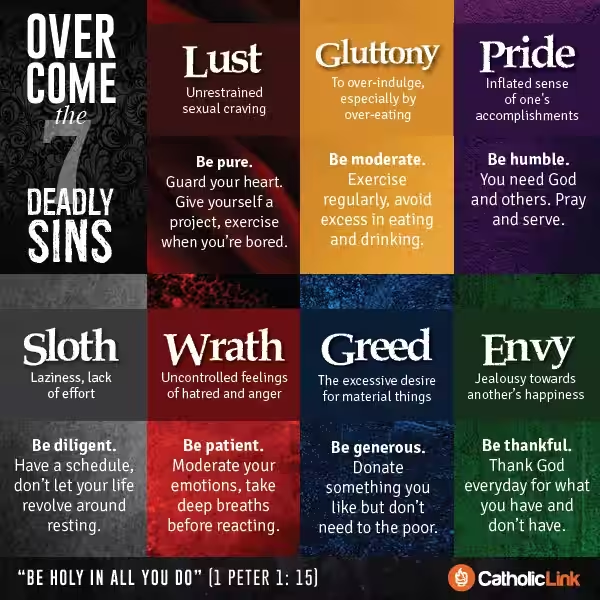
The New Testament offers a powerful antidote to pride: humility. 1 Peter 5:6 and James 4:6 highlight the divine grace bestowed upon the humble and the resistance encountered by the proud. Jesus himself serves as the ultimate example of humility, urging his followers to learn from his gentle and humble heart (Matthew 11:29). This humility, characterized by mourning one's own pride and seeking peacemaking, ultimately leads to comfort and recognition as children of God (Matthew 5:1-11). The proverb, therefore, functions as a warning against the insidious nature of pride, urging a shift towards a humble heart centered in God’s grace rather than self-aggrandizement.
God loves everyone, but He does not love all actions or attitudes. Pride, in its various forms, is explicitly identified as one such thing. It's not mere self-respect but an excessive, inordinate self-esteem leading to disdainful behavior, boasting, and the mistreatment of others, ultimately breaking our relationship with God.
Several scriptures support this claim, including Proverbs 16:5 (“Everyone who is arrogant in heart is an abomination to the Lord”), Proverbs 16:18 (“pride goes before destruction”), and Psalm 101:5 (“I will not endure a proud heart”). The parable of the Pharisee and the Publican illustrates this point perfectly. The Pharisee’s pride prevented him from recognizing his own sinfulness, while the Publican's humility led to forgiveness. This connects to 1 John 1:8 ("If we say that we have no sin, we deceive ourselves"), highlighting that denying our flaws is a direct consequence of pride and self-deception. Furthermore, pride leads to a denial of God's grace, as everything positive in our lives ultimately originates from Him.
Conclusion: A Call to Humility
Examining our lives for signs of pride is crucial. Clinging to a prideful attitude prevents a genuine relationship with God and ultimately leads to separation from Him (James 4:6). The biblical condemnation of a "proud look" serves as a powerful warning, urging us to cultivate humility, recognize our dependence on God, and prioritize His will above our own desires. Only through genuine humility can we experience the fullness of God's grace and cultivate a truly meaningful relationship with Him.
Frequently Asked Questions: Understanding the “Proud Look”
What is a "proud look" in the biblical context?
The term "proud look," often referenced in Proverbs and other biblical texts, doesn't refer to simple self-esteem or healthy pride in one's accomplishments. Instead, it describes an attitude of arrogance and self-centeredness that rejects God's will and prioritizes one's own desires above divine guidance and the needs of others. It's a disdainful attitude characterized by a sense of superiority and a condescending behavior towards others. This is fundamentally different from the modern, often positive, interpretation of pride.
How does a "proud look" manifest itself?
A "proud look" can manifest in various ways. It might involve boasting, treating others with disdain, a refusal to acknowledge one's own faults, or prioritizing personal ambition above all else – even seemingly good deeds. The core issue is a rejection of God's authority and a belief that one's own way is superior. Even seemingly innocuous actions, if motivated by self-glorification, can be tainted by this underlying pride. Examples include the Pharisee's self-righteous prayer in Luke's gospel or Napoleon's manipulation of awards to fuel pride amongst his troops.
The Bible condemns a "proud look" because it represents a fundamental rejection of God. It signifies a belief that one is self-sufficient and doesn't need God's guidance or grace. This attitude directly opposes God's desire for humility and a recognition of His sovereignty. The consequences of pride are far-reaching; it can damage relationships, impede spiritual growth, and ultimately lead to separation from God. Biblical examples, such as Lucifer's rebellion, illustrate the devastating consequences of prioritizing self-exaltation above God.
How is the biblical view of pride different from the modern understanding?
Modern culture often celebrates pride as a positive attribute, promoting self-esteem and celebrating achievements. However, the biblical perspective sharply contrasts this. While acknowledging the importance of self-respect, the Bible condemns excessive pride -- the "proud look" -- as a grave sin. This is not simply about lacking self-worth; it's about a rejection of God's authority and a self-centered attitude that disregards others and divine guidance.
What are the consequences of having a "proud look"?
The consequences of a proud look are severe, both spiritually and relationally. It can lead to broken relationships, spiritual stagnation, and ultimately, separation from God. Pride prevents self-awareness, hinders repentance, and creates a barrier between the individual and God's grace. It also fuels other sins, as it places the self at the center of everything, blinding a person to their own flaws and the needs of others. The Bible warns that pride goes before destruction.
How can I overcome a "proud look"?
Overcoming a "proud look" requires a conscious effort towards humility. This involves actively seeking God's guidance, recognizing one's own flaws and limitations, and treating others with respect and compassion. It necessitates a shift away from self-centeredness toward God-centeredness. Practicing gratitude, seeking forgiveness, and actively mourning one's pride are crucial steps in this process. The New Testament emphasizes the importance of humility and the grace God extends to those who are humble of heart.