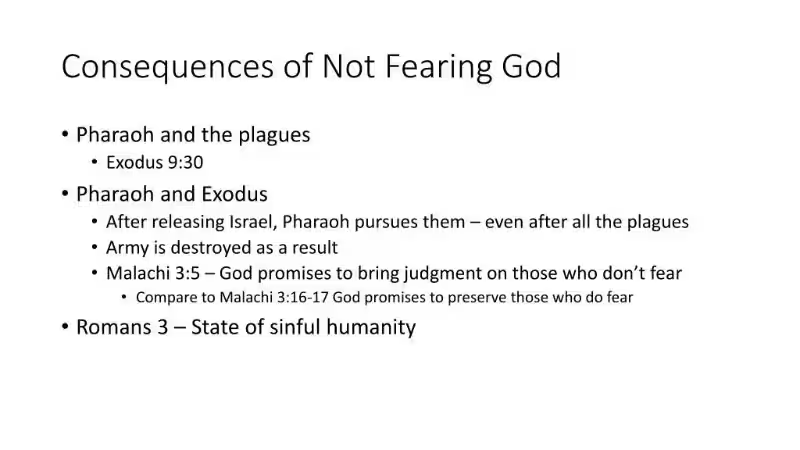
The question of what happens when one doesn't fear God is a complex one, touching on personal morality, societal structures, and even the concept of an afterlife. It's crucial to understand that "fearing God" doesn't imply a cowering terror, but rather a deep-seated respect, reverence, and awe for a higher power and its moral code. The absence of this reverential fear, however, can lead to significant negative consequences.
The lack of a fear of God, in the sense of profound respect for divine authority, directly impacts one's spiritual life. This isn't necessarily a sudden, dramatic fall, but a gradual erosion of one's moral compass.
The absence of this guiding principle creates a vacuum, often filled with self-serving desires and a diminished capacity for self-reflection. This self-centeredness leads to a decline in empathy and compassion, making it harder to connect with others on a meaningful level. The individual may drift away from spiritual practices, losing the sense of purpose and grounding that faith provides.
Loss of Wisdom and Discernment
Without the guidance derived from a reverence for God, individuals are more likely to rely solely on their own judgment and worldly wisdom, which are inherently flawed. This can result in poor decision-making in all areas of life, leading to confusion and a susceptibility to manipulation. The absence of divine guidance leaves one vulnerable to harmful influences and prevents the development of sound spiritual judgment.
The fear of God acts as a powerful deterrent against sin. When that fear is absent, there is no internal check on selfish impulses. Individuals become increasingly prone to justifying self-centered behaviors, drifting toward moral corruption and a hardened heart. This spiritual blindness makes it difficult to recognize wrongdoing and hinders genuine repentance.
Damaged Relationships and Societal Breakdown
The consequences of not fearing God extend far beyond the individual. The absence of a reverence for a higher power negatively impacts relationships with others and the stability of society as a whole.
Strained Relationships
Without the framework of divine love and compassion, relationships become strained. Pride and selfishness become dominant characteristics, leading to conflicts within families, communities, and even places of worship. The lack of accountability to a higher power erodes the foundation of trust and mutual respect. The breakdown of these relationships can cause immense personal suffering and societal instability.
Weakened Community and Collective Witness
A life lived without fearing God, particularly among believers, weakens the collective witness of faith. A believer's life should serve as an example of godly living, but when this reverence is absent, the testimony of the church is undermined. This lack of moral integrity hinders the spread of the gospel, pushing potential converts away rather than drawing them closer. The community suffers from a lack of unity and shared purpose.
Eternal Consequences and the Afterlife
Many religious traditions emphasize the eternal consequences of one's actions, making the fear of God a matter of ultimate importance. This doesn't mean a life of constant fear, but rather a life lived in conscious awareness of a higher power and its demands.
Accountability and Judgment
The belief in divine judgment is central to many faith traditions. The absence of a fear of God, and the subsequent disregard for religious principles, leaves individuals unprepared for this ultimate accountability. This isn't necessarily a literal "hellfire and brimstone" scenario, but it may involve a state of separation from God, a profound sense of loss, and a recognition of missed opportunities for spiritual growth and fulfillment.
While not guaranteeing immunity from difficulties, a life lived in obedience to God often experiences His guidance, protection, and blessings. Ignoring God's authority exposes individuals to problems that might otherwise have been avoided or mitigated. This isn't about divine punishment, but rather an understanding that following God’s will often leads to a more fulfilling and less chaotic life.
Conclusion: The Importance of Reverential Fear
The absence of the fear of God, understood as reverential awe and respect, has profound and far-reaching consequences. It leads to spiritual and moral decay, damages relationships, and ultimately, can jeopardize one's eternal standing. Cultivating this profound respect is crucial not only for personal spiritual growth but also for the well-being of society and the effective witness of the faith. It's not about blind obedience born of terror, but about embracing a life guided by love, compassion, and a deep awareness of the divine.
Frequently Asked Questions: The Consequences of Not Fearing God
What are the spiritual consequences of not fearing God?
The absence of the fear of God (understood as reverential awe and respect, not terror) leads to significant spiritual stagnation. This lack of respect undermines spiritual growth, resulting in a loss of wisdom and discernment. Without God's guidance, individuals rely on worldly wisdom, making poor spiritual and ethical choices. This spiritual blindness leads to confusion, susceptibility to error, a hardened heart, and ultimately, hinders the work of the Holy Spirit, causing unbelief and apathy towards God's word and will. Spiritual growth is stunted, leaving individuals vulnerable to temptation and lacking resilience during trials. Ultimately, it can lead to a complete disconnect from God.
How does a lack of godly fear affect relationships?
A fear of God is crucial for healthy relationships. Without it, pride and selfishness prevail, fostering conflict and division within families, churches, and communities. This disharmony weakens the collective witness of believers and brings dishonor to the name of Christ. Lacking reverence for God impacts how we treat others, leading to broken relationships and a lack of empathy and compassion.
What are the ethical and moral consequences of not fearing God?
Without the fear of God as a deterrent, individuals become increasingly susceptible to sin and moral decline. A lack of accountability to a holy God fosters a hardened heart and indifference to ethical principles. This can lead to a justification of sinful actions, self-centeredness, and moral corruption, impacting personal integrity and societal values.
Does a lack of godly fear have temporal consequences?
While not guaranteeing immunity from hardship, a life lived in obedience to God often experiences His guidance, blessings, and protection. Ignoring God's authority can expose individuals to difficulties that might otherwise have been avoided. This doesn't necessarily mean direct punishment, but rather the natural consequences of choices made without considering God's wisdom and guidance.
What are the eternal consequences of not fearing God?
The most serious consequence of neglecting the fear of God is the potential for eternal separation from God. Without acknowledging God’s authority and justice, individuals are less likely to repent and live in obedience. This highlights the critical importance of a life lived in reverence for God, recognizing His holiness and the ultimate judgment. The specific nature of these eternal consequences varies depending on individual theological beliefs.
How does a lack of godly fear impact the witness of the church?
A believer's life serves as an example. A life lacking reverence for God leads others astray and hinders the spread of the Gospel. It undermines the credibility of Christian witness and prevents others from coming to Christ. The actions of those who do not fear God negatively impact the collective testimony of the church and its ability to effectively share the message of faith.
Is "fearing God" about terror or something else?
No, "fearing God" is not about blind obedience born of terror. It is a profound respect, awe, and reverence for God's holiness and authority, which shapes every aspect of a believer's life. It’s a recognition of God's sovereignty and a desire to live a life pleasing to Him. It is a deep understanding of His love and justice, leading to a commitment to live in accordance with His will.