God Is... List: Unpacking the Attributes of the Divine
God Is... List: Unpacking the Attributes of the Divine
Many of us grapple with understanding the nature of God. We may hear descriptions of God in sermons or read about Him in the Bible, but truly grasping His character can feel elusive. One powerful tool for deepening our understanding is creating a "God Is..." list, reflecting on specific attributes revealed in scripture. This practice, inspired by Philippians 4:8 ("Finally, brothers and sisters, whatever is true, whatever is noble, whatever is right, whatever is pure, whatever is lovely, whatever is admirable—if anything is excellent or praiseworthy—think about such things."), allows us to focus on the positive and build a stronger relationship with the divine.
Exploring God’s Character Through Scripture: Psalm 25
A rich resource for building a "God is..." list is Psalm 25. This psalm provides a profound glimpse into the heart of God, revealing numerous facets of His character. The psalmist's cry for help and guidance unveils a God who is both responsive and deeply involved in the lives of His people.
The psalm depicts a God who is trustworthy and faithful. He rewards those who patiently wait on Him, offering guidance and protection to those who humbly seek Him. This isn't a distant, uninvolved deity; Psalm 25 showcases a God who is actively engaged in the lives of those who call upon Him. He is a shepherd guiding His flock, a protector shielding His people from harm.
Further, Psalm 25 emphasizes God's compassion and lovingkindness (grace). He is a source of salvation, extending mercy and forgiveness even in the face of human failings. This isn't a God who simply judges; rather, He is a God who offers redemption and restoration. This understanding refutes the notion of a distant, unforgiving God, painting instead a picture of a compassionate and merciful Father.
God Is... Forgiveness and Justice: A Balanced Perspective
Psalm 25 also highlights the crucial aspect of God's forgiveness. While God remembers His people and their actions, He doesn't dwell on their sins. This understanding is crucial for those wrestling with guilt and shame. He doesn't hold onto past mistakes but offers a fresh start, enabling individuals to move forward in their relationship with Him. This doesn't negate the reality of sin, but it underscores the boundless nature of God's grace.
Furthermore, the psalm portrays God as just and upright. He provides justice for the humble and offers comfort for the afflicted. This is not a God who ignores injustice; rather, He is a God who champions the oppressed and defends the vulnerable. This dual attribute – forgiveness and justice – highlights the complexity and beauty of His character. His compassion doesn't compromise His justice, and His justice is tempered with mercy.
Expanding Your "God Is..." List: Beyond Psalm 25
The possibilities for your "God is..." list are endless. While Psalm 25 offers a rich starting point, many other scriptures offer further insights into God's attributes. Psalm 27, for instance, provides additional perspectives on God as a refuge, a fortress, and a source of strength.
Consider exploring other passages that focus on specific attributes. For example:
God is love: 1 John 4:8
God is sovereign: Isaiah 46:9-10
God is merciful: Exodus 34:6-7
God is holy: Isaiah 6:3
God is powerful: Isaiah 40:28
By actively engaging with scripture, you can build a comprehensive list that reflects the multifaceted nature of God. This is not merely an intellectual exercise; it's a spiritual journey that deepens your understanding and strengthens your faith.
The Interconnectedness of God’s Attributes: A Holistic View
As Mark Vroegop's "The Lord Is…" List emphasizes, it's crucial to understand the interconnectedness of God's attributes. They aren't isolated qualities but rather interwoven aspects of a unified character. Understanding God's sovereignty, for example, shouldn't overshadow His love and mercy. Similarly, knowing His holiness shouldn't diminish the reality of His grace. A holistic view recognizes the harmony within His seemingly paradoxical attributes.
Vroegop’s work, and other similar resources, highlight the importance of seeing God's attributes in action within biblical narratives. This contextual understanding prevents a sterile, theoretical approach and instead fosters a more relatable and impactful connection with God's character. Understanding how God's attributes played out in historical events and personal stories provides a more vivid and tangible understanding of who He is.
Transforming Knowledge into Lived Experience: The Impact of a "God Is..." List
The ultimate goal of creating a "God is..." list isn't simply to compile a list of attributes. It's about transforming that knowledge into a lived experience of faith. This means allowing God's attributes to shape your thoughts, actions, and relationships. It's about trusting in His sovereignty during difficult times, finding comfort in His love and compassion, and striving to reflect His holiness in your daily life.
This practice fosters a deeper, more personal connection with God. It's not mere intellectual assent; it's about transforming knowledge into a lived experience of faith. A "God is..." list can serve as a constant reminder of who God is and what He is like, shaping your understanding and guiding your actions.
Conclusion: A Journey of Discovery
Creating a "God is..." list is an ongoing journey of discovery. It is a process that continually deepens your understanding and strengthens your faith. It's a powerful tool for cultivating a richer, more intimate relationship with the divine. Engage thoughtfully with scripture, reflect on personal experiences, and allow God's revelation to shape your understanding of His magnificent character. The more you learn about who God is, the more you will grow in your love and devotion to Him. This list is not just a list; it's a pathway towards a deeper, more meaningful relationship with the divine.
FAQ: Creating a "My God Is..." List
Here are some frequently asked questions regarding the practice of creating a "My God Is..." list, inspired by Philippians 4:8 and exploring God's attributes as revealed in scripture, such as Psalm 25:
What is a "My God Is..." list?
A "My God Is..." list is a personal reflection exercise where you identify and write down different attributes of God based on your understanding of scripture and your personal experiences. It's a way to focus on the positive qualities of God and deepen your faith and trust in Him. It's inspired by Philippians 4:8 which encourages focusing on things that are true, honorable, just, pure, lovely, commendable, excellent, and praiseworthy.
How do I create a "My God Is..." list?
Start by reading and meditating on scripture, particularly passages that describe God's character. Psalms, such as Psalm 25, offer numerous descriptions of God's nature. Consider your personal experiences and how God has revealed Himself to you. Then, write down phrases like "My God is faithful," "My God is loving," "My God is just," etc., reflecting the attributes you've discovered. There's no right or wrong way; let the Holy Spirit guide you.
What are some examples of God's attributes I can include?
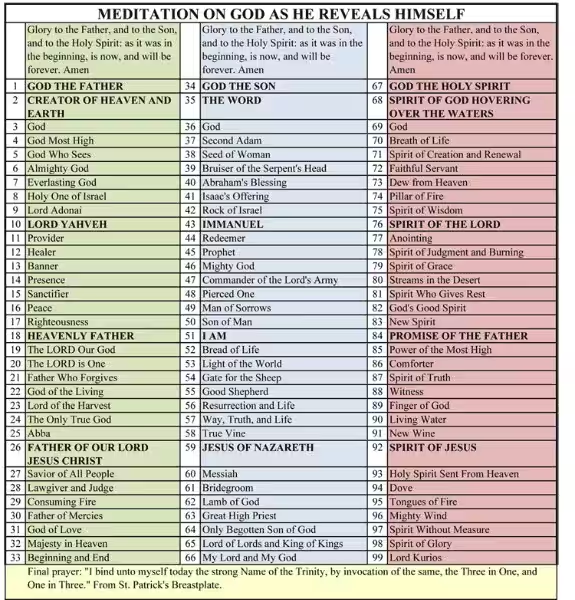
Based on Psalm 25 and other scriptures, some attributes you could include are: faithful, trustworthy, a guide, protector, source of salvation, compassionate, merciful, forgiving, good, upright, a teacher, just, provider, a refuge, deliverer, redeemer, loving, gracious, holy, sovereign. Remember that these are just starting points; the list is meant to be personal and reflective of your own understanding of God.
Why is creating a "My God Is..." list beneficial?
This practice helps cultivate a deeper understanding and appreciation for God's character. By focusing on His positive attributes, you strengthen your faith and trust in Him, especially during challenging times. It fosters a more intimate and meaningful relationship with God, moving beyond a superficial understanding towards a deeper, personal connection.
Are there any specific scriptures that can help me build my list?
Psalm 25 is an excellent starting point, highlighting God's trustworthiness, faithfulness, guidance, and forgiveness. Psalm 27 offers further insights into God's character. Other books of the Bible, particularly the Gospels and the epistles, also provide rich descriptions of God's attributes. Remember to explore various passages to gain a holistic understanding.
How does this practice relate to my daily life?
Understanding God's attributes is not merely an intellectual exercise; it's transformative. Knowing that God is faithful, for instance, can provide comfort during difficulties. Knowing He is merciful can inspire forgiveness and compassion in your own life. The goal is to allow your knowledge of God to shape your actions and perspective.
Where can I find more resources to help me with this?
Exploring devotional resources focused on the attributes of God can be beneficial. While specific books like Mark Vroegop's "The Lord Is…" List offer in-depth explorations of God’s attributes, reflecting on scripture and engaging in prayerful meditation are key components of this personal journey.