Marriage Triangle with God: Finding Strength in a Three-Stranded Cord
Marriage Triangle with God: Finding Strength in a Three-Stranded Cord
Many couples enter marriage with high hopes, envisioning a lifelong journey of happiness and fulfillment. However, the reality often falls short of this idealized picture. Hurt feelings, unmet needs, and the nagging feeling of being trapped can quickly erode the initial joy. This article explores a powerful concept – the marriage triangle with God – and how it can transform a struggling relationship into a strong, Christ-centered union.
Initially, my marriage felt like a constant battle. I focused on my husband's flaws and my own unmet desires, believing that my happiness depended solely on him. This self-centered approach proved disastrous; the pursuit of personal pleasure, rather than purpose, left me perpetually unsatisfied. The core issue wasn't my husband’s shortcomings; it was my misplaced focus. True joy, I discovered, isn't a destination reached through self-gratification but a byproduct of living a life with purpose, aligned with God's will.
The first two years of my marriage were a whirlwind of conflict. We were two individuals struggling to navigate the complexities of life together, each clinging to our own expectations. We were constantly drifting – apart from each other, and more significantly, from God. This distance manifested as bickering, resentment, and a growing chasm between our hearts.
Introducing the Marriage Triangle with God
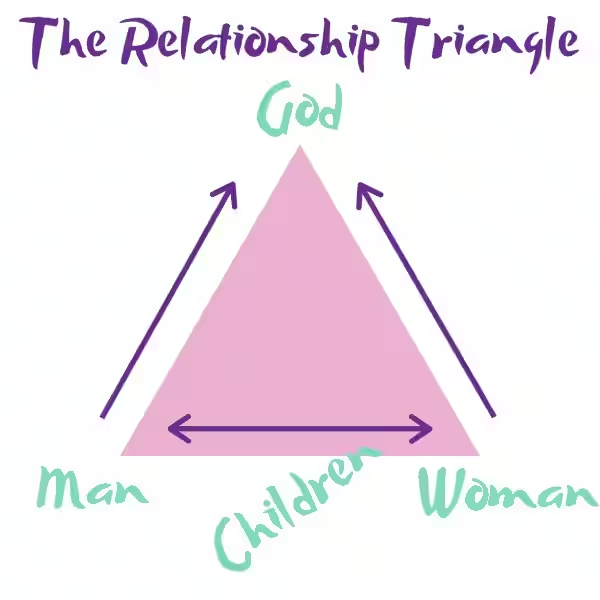
The turning point came when we shifted our focus from each other's imperfections to God. We embraced a new understanding: the marriage triangle with God places Him at the apex, with the husband and wife forming the base. The closer we draw to God, the closer we draw to each other.
This isn't a magical formula; it's a transformative shift in perspective. When God is at the center, our relationship is strengthened by qualities such as respect, forgiveness, love, and compassion – fruits of the Spirit that naturally flow from a life surrendered to Him. Conversely, distance from God inevitably creates distance in our marriage. Ecclesiastes 4:12 poignantly states, "Though one may be overpowered, two can defend themselves. A cord of three strands is not quickly broken." This scripture perfectly embodies the strength found in unity, especially when that unity is interwoven with Christ.
Building a Christ-centered marriage requires intentional effort, not passive hope. It's a daily commitment, much like charging your smartphone – neglecting it leads to a dead battery, while consistent charging ensures its functionality. Here are some practical steps we've found invaluable:
Prayer: Praying together regularly is crucial. We utilize resources like the YouVersion Bible app and Stormie Omartian's "The Power of a Praying Wife," focusing our prayers on specific areas of each other's lives and needs.
Bible Study: Daily Bible reading and discussion—even just a few verses—deepens our understanding of God's word and its application to our marriage. Involving our children in this process has strengthened our family unit.
Church Community: Active participation in a church community provides vital support and accountability. Joining small groups, seeking mentors, and finding a mentor couple gave us invaluable guidance and encouragement.
Serving Together: Joint involvement in ministry showcases the fruits of the Spirit and strengthens our bond through shared service. Serving together becomes a powerful act of love and unity.
Maintaining a Christ-centered marriage requires actively fighting against our natural inclination towards sin. This means prioritizing time with God over less edifying activities. It's about choosing to consciously focus on Him, even when facing the everyday challenges of life.
The transformation wasn't instantaneous. There were times of backsliding, periods where we unintentionally drifted from God and found ourselves bickering again. But each time, we consciously returned to our foundation, renewing our commitment to placing Christ at the center. This continuous process of striving, failing, and rising again is the essence of a growing faith and a strengthening marriage.
The Unthinkable Made Possible
Through this journey, we've discovered that a Christ-centered marriage is not just desirable; it's essential. It's a reflection of God's love and a testament to the power of His grace. What once felt unthinkable – divorce – is now an inconceivable option. Our love, strengthened by our faith, has become a reflection of heaven on earth. The marriage triangle with God isn't just a concept; it's the foundation upon which we've built a strong, enduring, and joyful marriage.
Frequently Asked Questions: The Marriage Triangle with God
What is the "Marriage Triangle" concept?
The "Marriage Triangle" describes a model for a strong, Christ-centered marriage where God forms the apex of a triangle, with the husband and wife at the base. The closer the couple draws to God, the stronger their connection to each other becomes. This closeness fosters qualities like respect, forgiveness, love, and compassion, essential for a lasting marriage. Conversely, distance from God weakens the marital bond. It's not about God directly intervening in every aspect of the marriage, but about using faith as the foundation for the relationship.
How does this differ from a solely human-centered approach to marriage?
A solely human-centered approach often prioritizes personal happiness and the fulfillment of individual needs. This can lead to disappointment when those needs aren't met, fostering resentment and conflict. The "Marriage Triangle" suggests that true joy and lasting marital satisfaction stem from a shared purpose – seeking God together – rather than the direct pursuit of personal pleasure. The focus shifts from individual fulfillment to sanctification and growing closer to God as a couple.
How does a Christ-centered approach practically improve my marriage?
A Christ-centered approach involves practical steps like regular prayer together (individually and as a couple), daily Bible study and discussion, active participation in a church community, and serving together in ministry. These activities foster deeper understanding, shared purpose, accountability, and mutual support, building a stronger foundation for the marriage. It also provides a framework for navigating inevitable conflicts with grace and forgiveness. It's about intentionally prioritizing God's presence in your daily life as a couple.
Isn't this concept overly religious or intrusive in my marriage?
The "Marriage Triangle" isn't about God constantly interfering in your daily interactions or judging every aspect of your relationship. It's about establishing a shared foundation of faith and seeking God's guidance and wisdom in navigating the complexities of marriage. It's a framework for building a stronger, more resilient relationship, not a set of rules that dictate every action. It acknowledges the inherently human aspects of marriage, including disagreements and personal struggles. The focus is on seeking God's help to overcome challenges and grow closer together, not on divine intervention in every detail.
What if my spouse isn't religious or doesn't want to participate in these activities?
This approach requires a willingness from both partners, but even if only one partner actively engages, it can still have a positive impact. It can create a space of peace and understanding, which, in turn, can positively affect the relationship. Open and honest communication about faith and spirituality is crucial. Leading by example and demonstrating the transformative power of a Christ-centered life can inspire your spouse to consider engaging more actively. Seeking guidance from a pastor or counselor can provide support and strategies for navigating these differences.
How do I start incorporating this approach into my marriage?
Begin with small, manageable steps. Start by incorporating daily prayer together, even if it's just a few minutes. Read a scripture together before bed, or attend church services as a family. Look for opportunities to serve others together. Gradually increase the level of engagement based on both partners' willingness and comfort level. Remember consistency is key; daily commitment to God and each other is more effective than occasional, sporadic efforts. Utilize resources like the YouVersion Bible app or books on Christian marriage to guide you.
What if I experience continued struggles even after trying this approach?
A Christ-centered marriage is a journey, not a destination. It's a continuous process of growth and learning. Challenges are inevitable, but the "Marriage Triangle" provides a framework for navigating them with faith and grace. Seek counsel from trusted mentors, pastors, or Christian counselors if you're facing significant difficulties. Remember that God's love and grace are always available, providing strength and guidance during challenging times. It is vital to address underlying personal issues that might be contributing to marital conflict, seeking professional help if needed.