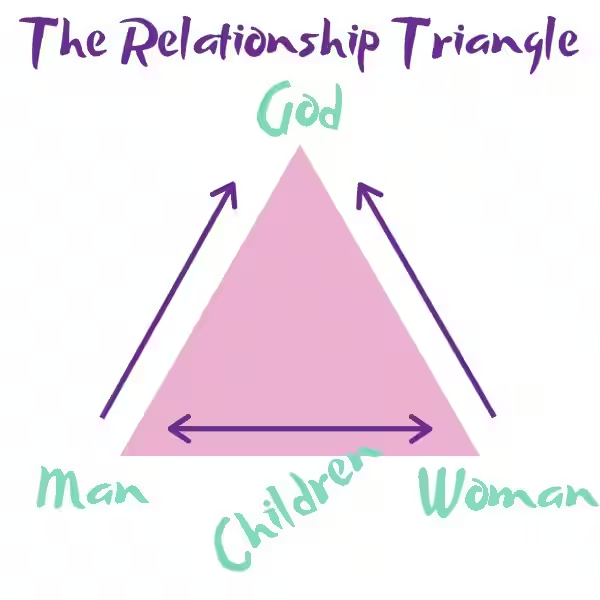
Many couples dream of a strong, lasting marriage, a bond that withstands the storms of life. But what truly forms the foundation of such a resilient union? While the commitment between husband and wife is undeniably crucial, a deeper understanding suggests that integrating God as a central, active participant significantly strengthens this bond. This article explores the concept of the "triangle God, husband, wife," examining how this three-way relationship builds a foundation of strength and enduring love.
The idea of a three-stranded cord, stronger than a single strand, is beautifully illustrated in Ecclesiastes 4:9-12. This passage emphasizes the benefits of teamwork and mutual support, suggesting that unity brings strength and resilience. Applying this to marriage, we can view the "three strands" as the husband, the wife, and God, forming an unbreakable bond. This isn't just a symbolic representation; it's a powerful reality that shapes the dynamics of the relationship.
Consider also Ephesians 5:21, which urges mutual submission "in reverence for Christ." This verse underscores the importance of prioritizing God in the marital relationship. When Christ is at the center, the bond between husband and wife, though inevitably subject to strain, remains more resilient amidst conflict and disappointment. The shared faith becomes a common ground, a source of strength and understanding in challenging times.
The Missing Piece: When God is Absent
The central problem many couples face lies in neglecting or removing God from this central position. They prioritize their own needs and desires, often leading to conflict and ultimately jeopardizing the marriage. This is a critical point, as it highlights the hypocrisy often seen in seeking God's blessing at the beginning of a marriage but excluding Him during difficult times. The common question, "Have you prayed about it?" asked when couples consider divorce, underscores the unspoken expectation of including God in crucial marital decisions. This reveals the inherent understanding that a strong spiritual foundation anchors the marriage.
Integrating God into Your Marriage: Practical Steps
So, how can couples practically integrate God into their marriage? It’s not about a rigid set of rules, but a conscious effort to weave faith into the fabric of daily life. This involves:
Shared Prayer: Praying together isn't just about asking for material blessings; it’s about seeking mutual spiritual growth, understanding each other's needs, and seeking wisdom to navigate challenges.
Shared Faith Practices: Actively engaging in shared faith practices, such as church attendance, small group involvement, or bible study, builds spiritual connection and fosters a sense of shared purpose.
A Balanced Life: Maintaining a balanced life that includes both spiritual and secular activities is essential. Prioritizing spiritual growth doesn't mean neglecting the joys of life together. Laughter, shared experiences, and continued courtship remain vital for a vibrant marriage.
Moving Beyond the "Mine" Mentality
A significant aspect of a successful triangle God, husband, wife involves cultivating maturity and commitment. This requires moving beyond a selfish "mine" mentality to a collaborative "ours" approach. This transition involves:
Sacrifice: Willingness to put your spouse's needs ahead of your own, mirroring Christ's selfless love.
Communication: Open, honest communication helps address issues before they escalate into major conflicts.
Active Listening: Truly hearing and understanding your spouse's perspective is crucial for empathy and resolution.
Forgiveness: A willingness to forgive and move forward is essential for healing and maintaining a strong bond.
The Triangle God, Husband, Wife: A Living Tapestry
The triangle God, husband, wife isn’t a static structure; it’s a living tapestry woven with faith, commitment, and love. The challenges will come – illness, financial struggles, disagreements – but a strong commitment to God and each other provides the resilience to overcome them. This shared faith creates a common foundation, strengthening the bond and providing the resources needed to navigate life's complexities.
The Importance of Continuous Growth
It's crucial to recognize that a strong faith doesn't automatically equate to a perfect marriage. Instead, it provides a framework for ethical behavior, conflict resolution, and enduring love. Just as a plant needs consistent nurturing to thrive, a marriage requires continuous effort, communication, and a commitment to spiritual growth. By prioritizing God, couples build a foundation of love, resilience, and unwavering commitment.
Ultimately, the triangle God, husband, wife represents a journey of faith, not a destination. It’s a continuous process of deepening your relationship with God and with each other, resulting in a marriage that is not only strong but deeply fulfilling and lasting. Re-evaluating your relationship with God and each other is a crucial step in building this strong, enduring foundation. God's love and presence are vital for a fulfilling and lasting marriage, providing the strength and resilience needed to face life's challenges together.
Frequently Asked Questions: The Triangle God-Husband-Wife Marriage Model
What is the "Triangle God-Husband-Wife" concept?
This concept proposes that a successful and enduring marriage is best understood as a three-way relationship: the husband, the wife, and God. God forms the apex of the triangle, providing strength and stability to the bond between husband and wife who form the base. It's not a literal geometric shape, but a metaphor for the interconnectedness and mutual influence of these three elements. A stronger connection with God strengthens the marital bond.
How does incorporating God into the marriage strengthen the relationship?
Prioritizing God cultivates virtues like compassion, forgiveness, humility, and selfless love. These qualities directly translate into a more loving and supportive marital relationship. Shared spiritual practices, like prayer, Bible study, or church attendance, create common ground, fostering understanding, better communication, conflict resolution, and resilience during difficult times. This shared faith provides a framework for ethical behavior and enduring love.
Does this mean a strong faith guarantees a perfect marriage?
No. A strong faith doesn't eliminate marital challenges. Instead, it provides a supportive framework and spiritual resources to navigate difficulties, fostering empathy, forgiveness, and a commitment to working through problems together. It offers a foundation for ethical behavior and enduring love, strengthening the couple's ability to overcome obstacles.
How can a couple practically integrate God into their marriage?
Practical steps include praying together regularly (not just for material things, but for spiritual growth), attending church or engaging in other shared faith practices, and incorporating spiritual reflection into daily life. It's also important to maintain a balanced life that includes both spiritual and secular activities, cherishing shared experiences, laughter, and continued courtship. The goal isn't to neglect the everyday joys of marriage but to integrate faith into all aspects of life.
What if one spouse is more religious than the other?
This model acknowledges that couples may have different levels of faith. It emphasizes the importance of mutual respect and understanding, even amidst differing levels of religious commitment. Open and honest communication about spiritual beliefs and practices is crucial. The more devout spouse can lead by example, demonstrating the positive impact of faith on their life without forcing their beliefs on the other. Seeking guidance from a pastor or counselor can be helpful in navigating these differences.
What are the potential challenges of this model?
Challenges might include disagreements about religious practices, differing interpretations of scripture, or a lack of shared spiritual understanding. In cases where one spouse actively resists including God in the marriage or one spouse significantly outweighs the other spiritually, it's essential to approach the situation with sensitivity and understanding. Seeking professional guidance from a marriage counselor or pastor may be beneficial in addressing such challenges.
Is this model only for Christian couples?
While the examples and scripture references used are Christian, the underlying principle of incorporating a higher power or shared values system into a marriage could be adapted to other faiths or belief systems. The core concept emphasizes the importance of shared values, mutual support, and a commitment to something larger than oneself to strengthen a marital bond.
What if we are facing serious marital problems?
Even when facing significant marital difficulties, the "Triangle God-Husband-Wife" model can offer support. Seeking professional help from a Christian counselor or pastor can provide guidance and tools for navigating conflict, rebuilding trust, and integrating faith into the healing process. Open communication, a commitment to forgiveness, and a shared desire to seek God's help are essential for working through challenges.