Anointing My Head with Oil: Understanding Psalm 23:5
Anointing My Head with Oil: Understanding Psalm 23:5
This article explores the profound meaning behind Psalm 23:5, "You anoint my head with oil," delving beyond the literal to uncover its rich spiritual significance for believers today. We’ll examine its historical context, symbolic meaning, and practical application in our lives, providing a comprehensive understanding of this powerful verse.
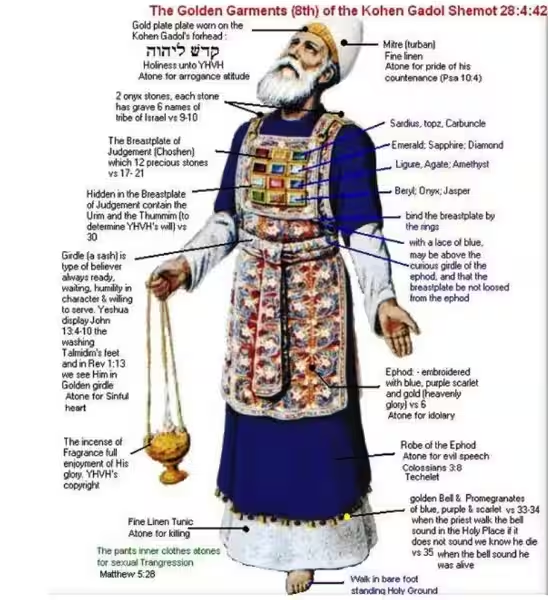
In ancient Near Eastern cultures, anointing with oil was far more than a simple act; it was a ritual imbued with deep meaning. Fragrant oils, often expensive and precious, were used to show honor, hospitality, and even to demonstrate a person's royal status or priestly designation. Imagine being a guest at a lavish feast, welcomed with the gentle application of perfumed oil – a clear sign of the host's esteem.
This act of anointing wasn't just about scent; it carried practical benefits as well. Oils possessed medicinal properties, soothing skin irritations, and promoting healing. In the context of Psalm 23, this dual meaning, symbolic and practical, enhances the richness of the verse. The oil was a symbol of God's favor and a tangible expression of His care.
Psalm 23:5 and David’s Relationship with God
For King David, the anointing with oil signified an intimate and privileged relationship with God. It wasn't a temporary gesture but a permanent declaration of God's unwavering favor and constant provision. David was not merely a guest at God's table; he was a permanent resident, eternally welcome and blessed. This image of a "permanent place setting" speaks to the enduring nature of God's love and commitment to His people.
The imagery isn't just about material provision, though that's certainly included. It points to a deeper reality: God's continuous presence, protection, and guidance throughout David’s life, even amidst the challenges and adversaries he faced. This is a powerful reminder of God’s constant companionship and support, regardless of circumstances.
The Symbolism of Joy and Refreshment
The oil used in anointing was often associated with gladness and joy in biblical texts. Isaiah 61:3 speaks of the "oil of joy" as a symbol of God's blessing, and Hebrews 1:9 refers to Christ being anointed with “the oil of gladness.” David's "cup overflowing" in Psalm 23 reflects this abundant joy and satisfaction in God's presence.
This joy is particularly powerful when viewed in contrast to the challenges David faced. The imagery of feasting in God's presence while enemies surround him underscores the strength and peace God provides amidst adversity. This resonates with Paul's assurance in Romans 8 that nothing – not even persecution or death – can separate believers from the love of God. The anointing is a tangible symbol of this unwavering love and protection.
The Anointing for Christians Today
The significance of Psalm 23:5 extends far beyond David's time. It speaks directly to the intimate and privileged relationship we, as believers in Jesus Christ, have with our Heavenly Father. Just as David experienced protection, care, and abundant provision, so too do we. We, too, are invited to God's eternal feast, enjoying a permanent place at His table (Isaiah 25; Matthew 22:1–14; Luke 13:29–30; Revelation 19:9; 21:2–4).
The "anointing" for us is not literally oil, but rather the joy, peace, strength, and empowerment that come from the Holy Spirit, the very presence of Jesus Christ within us. This anointing fills our lives with an abundance that surpasses our needs and empowers us to face life's challenges with courage and confidence. It's a continuous, unwavering presence, a steady source of strength and comfort that permeates every aspect of our being.
Practical Application: Spiritual Protection and Healing
The imagery of anointing also highlights the practical aspect of God's care. In ancient shepherding, oil was used to protect sheep from parasites and heal wounds. Sheep, in their attempts to rid themselves of pests, often injured themselves further. A good shepherd would use oil to prevent this self-harm.
Similarly, God's anointing offers spiritual protection and healing. It shields us from the anxieties, worries, and spiritual attacks that plague our minds, creating a barrier against the "horrid little flies"— those negative thoughts and anxieties that can lead to mental and emotional distress. This "oil" of the Holy Spirit provides a buffer, a sense of peace, and the ability to focus on God amidst life's storms. It allows us to find healing and restoration naturally, strengthening us from within.
This concept aligns with the idea of being "sealed" by the Holy Spirit, as mentioned in 2 Corinthians 1:21-22. Just as a shepherd anoints his sheep for physical protection, God anoints believers for spiritual protection, empowering us to overcome challenges and find solace in His unwavering love. The overflowing cup is a symbol of the abundance of blessings that result from this divine protection and care. The passage ultimately emphasizes the comprehensive nature of God's love and care.
In conclusion, the phrase "You anoint my head with oil" is not a mere historical reference; it's a living declaration of faith, a testament to the joy, security, and unwavering love we experience in our relationship with God. It's a reminder of His constant presence, His abundant provision, and His unwavering commitment to protect and nurture us, both spiritually and emotionally. It's an invitation to experience the fullness of His grace and the transformative power of His love in our daily lives.
Frequently Asked Questions: Anointing My Head with Oil (Psalm 23:5)
What does "You anoint my head with oil" (Psalm 23:5) mean literally?
In ancient Near Eastern cultures, anointing with fragrant oil was a common practice. It was a gesture of honor, hospitality, and welcome bestowed upon esteemed guests. It also had practical applications, such as soothing ailments and protecting against parasites. In the context of Psalm 23, the literal act of anointing is less important than the symbolic meaning.
What is the metaphorical significance of anointing with oil in Psalm 23:5?
The anointing of the head with oil in Psalm 23:5 is a powerful metaphor representing God's intimate and blessed relationship with David, and by extension, with believers today. It signifies:
God's unwavering favor and constant provision: David is portrayed as a permanent, honored guest at God's table, receiving continuous blessings.
Joy and refreshment: Oil in the Bible is often associated with gladness, reflecting the abundant joy and satisfaction found in God's presence.
Spiritual protection: Just as shepherds used oil to protect their sheep from parasites and injuries, God's anointing protects believers from spiritual attacks, anxieties, and worries. This protection leads to peace and emotional well-being.
The "anointing" for Christians today is not a literal application of oil, but rather the joy, strength, and protection that come from our relationship with Jesus Christ. It represents the abundant blessings, spiritual security, and unwavering love we experience in His presence. We, like David, are invited to God's eternal feast, enjoying a permanent place at His table. This "anointing" empowers us to face life's challenges with confidence and peace.
Does the "anointing" refer to a specific spiritual experience or ritual?
No, the "anointing" in Psalm 23:5 isn't a specific ritual or experience to be sought after through physical actions. It describes the ongoing, inherent reality of being in a relationship with God. It’s the experiential reality of God's constant provision, love, protection and joy in a believer's life.
How does the "anointing" relate to other biblical concepts?
The concept of anointing connects to other biblical themes, such as:
Consecration and setting apart: Anointing was used to consecrate individuals for special service to God. Our relationship with God sets us apart for His purposes.
The Holy Spirit: 2 Corinthians 1:21-22 speaks of believers being "anointed" and "sealed" by the Holy Spirit, echoing the protective and empowering nature of God's presence.
God's Abundant Provision: This resonates with the overall message of Psalm 23, emphasizing God's complete care and provision for his people.
How can I experience this "anointing" in my own life?
Experiencing the "anointing" means cultivating a deeper relationship with God through prayer, studying His word, and seeking fellowship with other believers. It involves trusting in God's provision, surrendering anxieties to Him, and recognizing His constant presence and love in your life. The experience is less about a singular event and more about a consistent relationship with God characterized by His protection and blessing.